Introduction to Miniature Photoelectric Sensors
Miniature photoelectric sensors have become indispensable components in modern industrial automation, particularly in applications where space is at a premium. These compact devices utilize light beams to detect the presence, absence, or distance of objects without physical contact. The core principle involves an emitter, which projects a light beam (often infrared, visible red, or laser), and a receiver that detects changes in the received light signal. When an object interrupts or reflects this beam, the sensor's output state changes, triggering a control action. Their non-contact nature ensures minimal wear and tear, leading to high reliability and longevity in demanding environments. Industries ranging from packaging and material handling to electronics assembly and automotive manufacturing rely heavily on these sensors for precise detection tasks. The miniaturization trend has enabled their integration into increasingly compact machinery, driving efficiency and enabling more sophisticated automated systems.
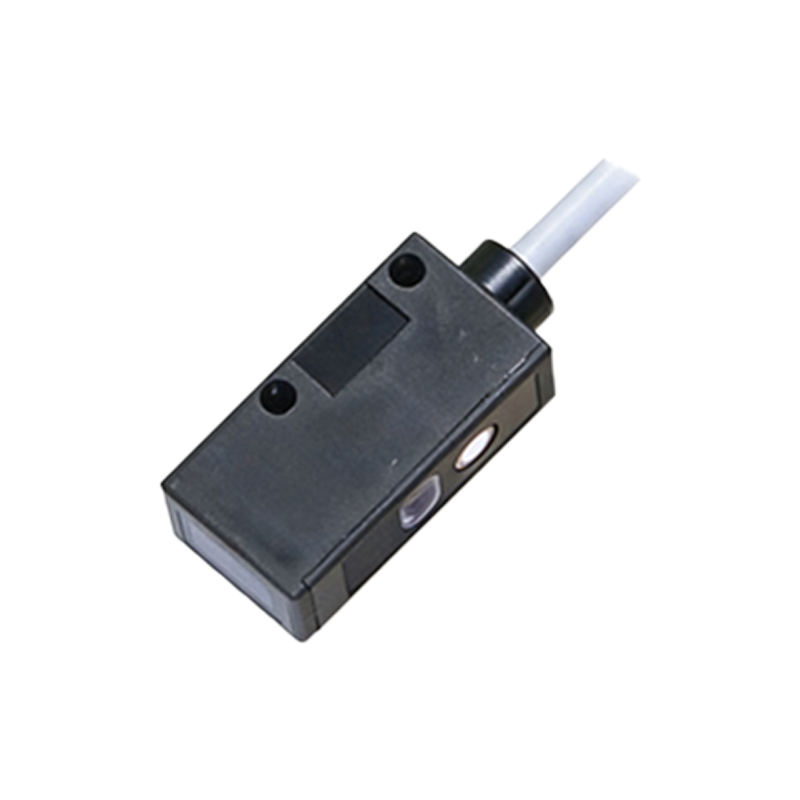
Key Specifications of Wujiang Sensor Models
Wujiang's lineup of miniature photoelectric sensors is characterized by a diverse range of specifications tailored to various operational needs. A primary specification is the sensing mode, which includes through-beam, retro-reflective, and diffuse-reflective types. Through-beam models offer the longest sensing distances and highest reliability, as they consist of separate emitter and receiver units. Retro-reflective sensors use a reflector to bounce the beam back to the receiver housed in the same unit, providing a good balance of range and convenience. Diffuse-reflective sensors detect objects by measuring the light reflected directly from the target, making them ideal for close-range applications. Other critical specifications include the sensing distance, which can range from a few centimeters to several meters; the light source type (e.g., infrared LED, red LED, laser diode); the output configuration (NPN/PNP transistor, analog, or relay); and the response time, which is crucial for high-speed applications. Housing material, typically rugged ABS or metal, and ingress protection (IP) ratings like IP67 are vital for durability in harsh conditions involving dust, moisture, or vibration.
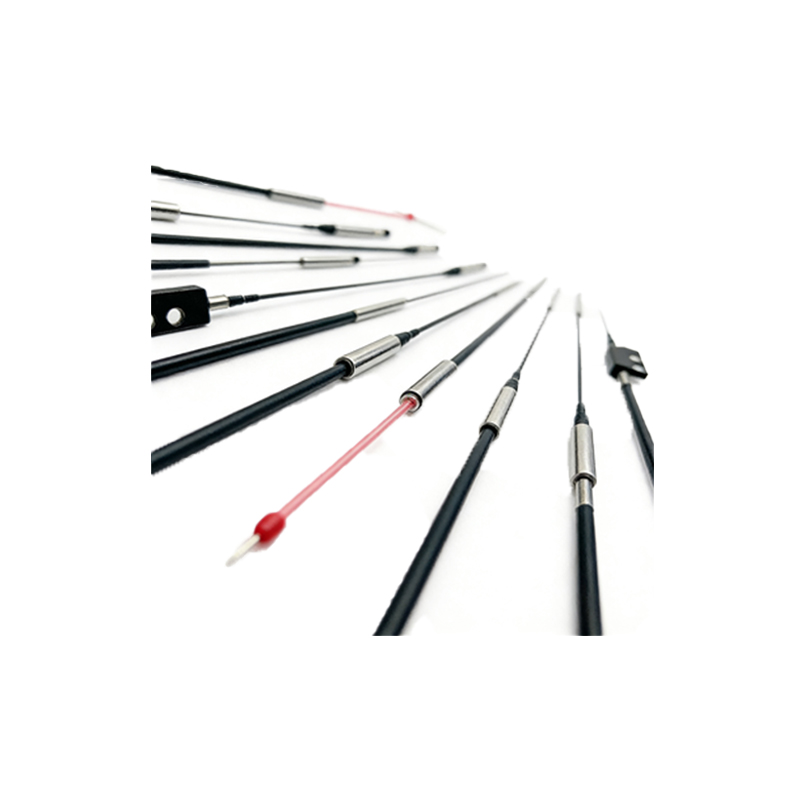
Popular Wujiang Miniature Photoelectric Sensor Series
Several series from Wujiang have gained prominence in the global market due to their robust performance and versatility. The WPS series is renowned for its ultra-compact cylindrical design, suitable for space-constrained installations. These models often feature background suppression technology, allowing them to ignore distant objects and detect only targets within a precise range. The WGS series represents a family of rectangular, slot-type sensors ideal for detecting small objects or verifying the presence of labels and tapes. For applications requiring high-precision detection, the WLS series incorporates laser light sources, enabling extremely accurate positioning and measurement with a small, visible spot. Another notable series is the WMS, which offers modular, customizable units where users can select specific emitters, receivers, and amplifiers to create a tailored sensing solution. Each series is designed with specific industrial challenges in mind, ensuring that engineers can find a model that matches their exact requirements for size, sensing capability, and environmental resistance.
Application Scenarios in Industrial Automation
The practical applications of Wujiang miniature photoelectric sensors are vast and critical to automated system functionality. In conveyor systems, they are deployed for object counting, jam detection, and positioning control. For instance, a through-beam sensor can accurately count bottles on a high-speed filling line, while a diffuse-reflective sensor can detect the presence of a box at a sorting station. Within robotic cells, these sensors provide precise feedback for pick-and-place operations, ensuring grippers correctly engage with components. In packaging machinery, they verify label application, monitor film web breaks, and control cut-off lengths. The electronics industry utilizes them for PCB board presence verification, component insertion checks, and end-of-travel detection on assembly stages. Their small size allows them to be embedded directly into machine tools for tool breakage detection or part positioning. The reliability of these sensors in detecting transparent objects, such as glass or plastic films, is particularly valued, often achieved through specialized polarized lenses or high-intensity beams.
Installation and Wiring Considerations
Proper installation is paramount to ensuring optimal performance and longevity of miniature photoelectric sensors. Mounting stability is crucial; even slight misalignment in through-beam or retro-reflective setups can cause unreliable operation. Utilizing manufacturer-supplied brackets and ensuring a vibration-free mount are standard best practices. Environmental factors must be considered: ambient light from factory windows or other machinery can interfere with some sensors, necessitating the use of models with modulated light sources that are immune to such interference. For wiring, it is essential to follow the datasheet diagrams precisely, connecting the brown wire (typically +V), blue wire (0V or common), and black wire (output signal) to the correct PLC or controller terminals. Shielding cables may be required in environments with high electromagnetic interference. Additionally, maintaining a clean lens free from dust, oil, or debris is necessary for consistent operation, which can be facilitated by models with built-in air purge connections or periodic maintenance schedules.
Maintenance and Troubleshooting Guidelines
While photoelectric sensors are designed for durability, regular maintenance and systematic troubleshooting can prevent downtime. Routine visual inspections should check for physical damage, lens contamination, and secure cable connections. Performance can be verified using simple tests, such as observing the sensor's indicator LED while introducing a target object. Common issues include failure to detect objects, which may stem from misalignment, dirty lenses, insufficient power supply, or the target being outside the specified sensing range or having poor reflectivity. Intermittent operation often points to loose wiring, electrical noise, or unstable mounting. If a sensor consistently fails, checking the output load compatibility and supply voltage against specifications is a critical step. Many Wujiang models feature diagnostic LEDs that flash specific patterns to indicate conditions like overload or contamination. Keeping a stock of critical spare sensors and understanding the replacement procedure ensures minimal disruption to production processes during failures.
Future Trends and Technological Advancements
The evolution of miniature photoelectric sensors continues to align with broader Industry 4.0 trends. Future models are expected to become even smaller while integrating more intelligence. The incorporation of IO-Link communication is a significant trend, allowing sensors to transmit not just a simple on/off signal but detailed diagnostic data, parameter settings, and process values directly to the control system. This enables predictive maintenance, remote configuration, and enhanced system integration. Advances in laser diode and lens technology will yield sensors with even finer resolution and longer ranges. Furthermore, the development of sensors capable of reliably detecting challenging materials, such as jet-black objects or highly transparent films, remains a key focus area. Energy efficiency is also improving, with low-power designs extending battery life in mobile or wireless applications. As machinery becomes more compact and intelligent, the role of these sophisticated, connected miniature sensors will only grow more central to efficient and flexible automation.