Introduction to Proximity Sensing Technology
Proximity sensors are non-contact devices designed to detect the presence or absence of objects within a specified range. Utilizing various technologies such as inductive, capacitive, ultrasonic, and photoelectric principles, these sensors offer reliable and precise detection without physical contact. Their ability to operate in harsh environments, resist contamination, and provide high-speed response makes them indispensable in modern industrial automation and beyond. The core advantage lies in their durability and minimal maintenance requirements, as the absence of mechanical contact reduces wear and tear significantly. From manufacturing lines to consumer electronics, proximity sensors enable smarter, safer, and more efficient operations by converting object detection into electrical signals for control systems.
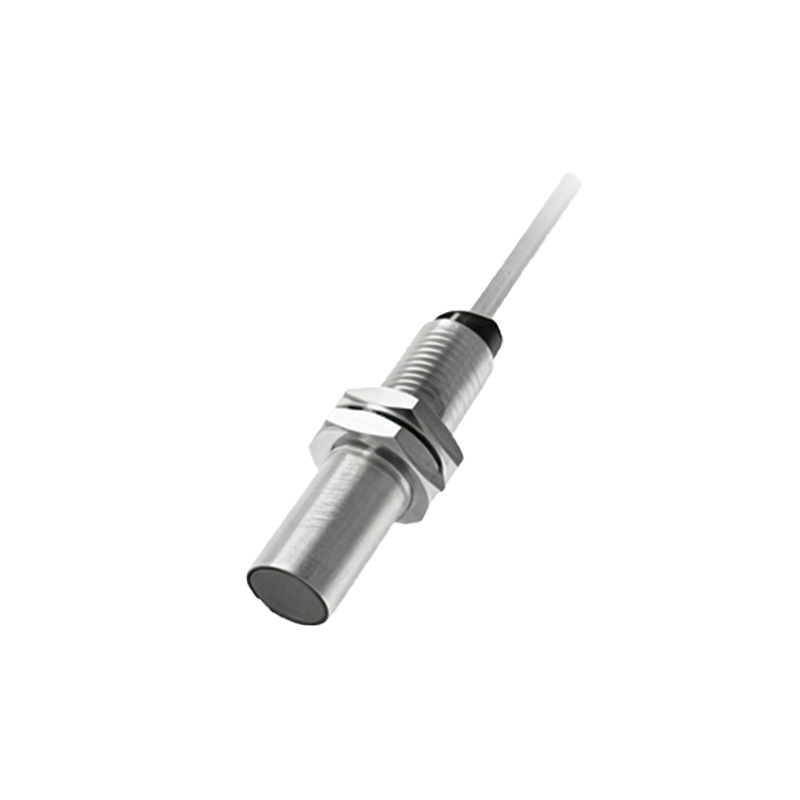
Industrial Automation and Robotics
In industrial settings, proximity sensors play a critical role in enhancing productivity and safety. They are widely used for position sensing in conveyor systems, where they detect the passage of items to trigger sorting, counting, or packaging processes. In robotics, these sensors ensure precise arm positioning and obstacle avoidance, allowing for seamless collaboration between machines and human workers. For instance, inductive sensors detect metallic parts in assembly lines, while capacitive sensors identify non-metallic materials like plastics or liquids. This versatility supports just-in-time manufacturing, reduces downtime, and prevents equipment damage by halting operations when anomalies are detected.

Automotive Industry Applications
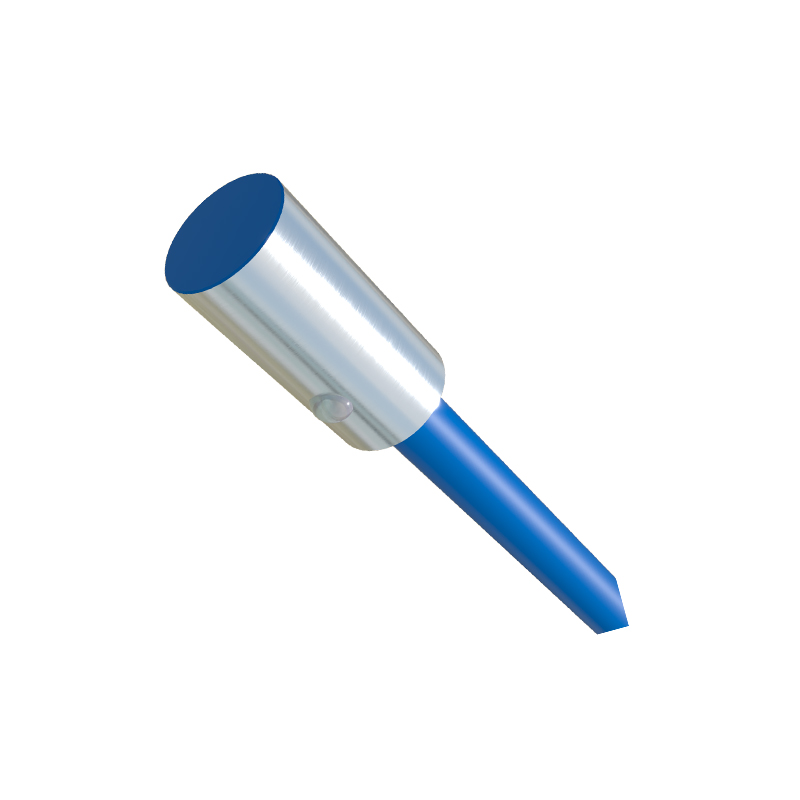
The automotive sector relies heavily on proximity sensors for both manufacturing and vehicle functionality. During production, they monitor component placement in engines and chassis, ensuring accuracy in high-speed assembly lines. In modern vehicles, sensors enable advanced features such as parking assistance, collision avoidance, and automated braking systems. Ultrasonic sensors, for example, measure distances to nearby objects, providing drivers with real-time alerts to prevent accidents. Additionally, capacitive sensors detect the presence of passengers for airbag deployment optimization, enhancing safety. This integration contributes to the development of autonomous driving technologies, where reliable object detection is paramount.
Consumer Electronics and Home Appliances
Proximity sensors have become ubiquitous in consumer devices, improving user experience and energy efficiency. In smartphones, they detect when the phone is held to the ear during calls, automatically turning off the display to save power and prevent accidental touches. Similarly, in home appliances like automatic faucets or soap dispensers, infrared sensors activate water flow or soap release when hands are detected, promoting hygiene and conservation. Smart home systems use these sensors for lighting control, adjusting brightness based on room occupancy, thereby reducing electricity consumption. Their compact size and low power consumption make them ideal for portable and battery-operated gadgets.
Healthcare and Medical Equipment
In healthcare, proximity sensors enhance patient care and equipment reliability. They are employed in medical devices such as infusion pumps to monitor fluid levels, ensuring accurate drug delivery. Hospital beds equipped with sensors can detect patient movement, alerting staff to potential falls or discomfort. Additionally, sanitization stations use hands-free sensor activation to minimize cross-contamination in sterile environments. The non-contact nature of these sensors is particularly valuable in sensitive settings, reducing infection risks and improving operational hygiene. As medical technology advances, sensors contribute to telemedicine and remote monitoring solutions, supporting timely interventions.
Agriculture and Food Processing
The agriculture and food industries benefit from proximity sensors in automation and quality control. In farming, sensors monitor equipment like tractors and harvesters, detecting obstacles in fields to prevent damage. They also regulate irrigation systems by sensing soil moisture levels, optimizing water usage. In food processing plants, sensors ensure proper packaging by verifying container positions on filling lines. For example, photoelectric sensors detect transparent or colored items on conveyor belts, sorting them based on size or type. This application reduces waste, maintains hygiene standards, and enhances throughput in compliance with safety regulations.
Future Trends and Innovations
Looking ahead, proximity sensor technology is evolving with trends like the Internet of Things (IoT) and artificial intelligence. Smart sensors with wireless connectivity enable real-time data collection and predictive maintenance in industrial networks. Miniaturization allows integration into wearable devices for health tracking or gesture control in virtual reality systems. Advances in materials science may lead to more sensitive and durable sensors capable of operating in extreme temperatures or corrosive environments. As industries embrace automation and sustainability, proximity sensors will continue to expand into new domains, driving efficiency and innovation across global sectors.