In the realm of industrial automation, robotics, and smart systems, the ability to detect the presence or absence of an object without physical contact is fundamental. Proximity electromagnetic sensors, often simply called inductive proximity sensors, are the workhorses that make this possible. These robust and reliable devices operate on a straightforward yet ingenious principle, offering solutions where durability, speed, and non-contact operation are paramount.
At their core, proximity electromagnetic sensors function based on the principles of electromagnetic induction. The sensor contains an oscillator circuit that generates a high-frequency alternating magnetic field from its active face, typically wound around a ferrite core. When a metallic object enters this oscillating field, eddy currents are induced on the surface of the target. These eddy currents draw energy from the oscillator, causing its amplitude to decrease. An evaluation circuit within the sensor monitors this change in oscillation amplitude. Once the amplitude drop reaches a predetermined threshold—signifying the object is within the specified sensing range—the sensor's output state switches, sending a signal to a controller like a PLC.
This operating principle grants these sensors several distinct advantages. First and foremost is their non-contact nature, which eliminates mechanical wear and tear, leading to exceptionally long service life. They are capable of extremely fast switching frequencies, often in the kilohertz range, making them ideal for high-speed counting or positioning applications on production lines. Their construction is typically rugged, housed in metal or high-grade plastic bodies resistant to dust, moisture, oils, and vibrations, conforming to standards like IP67. They are largely immune to ambient light, color, or surface texture of the target, focusing solely on the presence of conductive material.
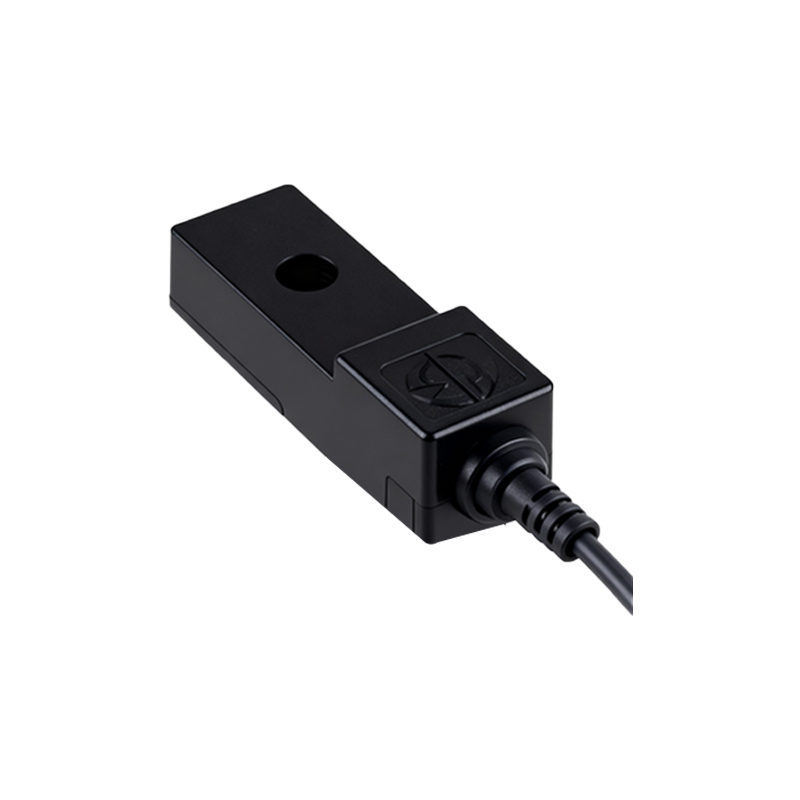
However, their specificity is also a key consideration. Standard inductive proximity sensors are designed to detect ferrous metals (like iron and steel) and, to a lesser but still effective degree, non-ferrous metals (like aluminum, copper, or brass). The sensing distance can vary based on the target material's properties; for instance, aluminum typically reduces the nominal sensing range compared to steel. They cannot detect non-metallic objects such as plastic, wood, or liquids. For those materials, capacitive or ultrasonic sensors would be the appropriate choice.
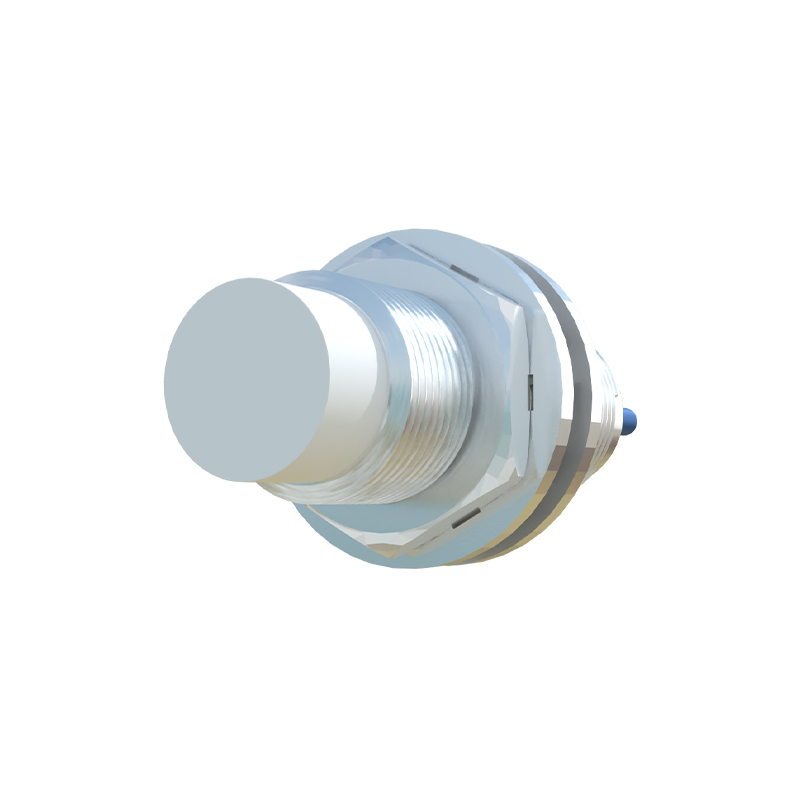
The applications for proximity electromagnetic sensors are vast and varied. In manufacturing, they are ubiquitous for tasks such as part detection on conveyor belts, verifying the position of a machine tool or robotic arm, end-of-travel limit switching, and high-speed counting of metal parts. In the automotive industry, they monitor position in assembly robots and check for the presence of components. They are found in metalworking machines for tool positioning and in automated warehouses for pallet detection. Their reliability makes them suitable for safety interlocks on guards and doors.
Selecting the right sensor requires careful attention to several parameters. The sensing distance, or nominal range (Sn), is the first specification to consider, but it's crucial to account for reduction factors for different metals. The housing style is critical for installation: cylindrical barrels (e.g., M8, M12, M18, M30 threads) are common, but rectangular or ring-shaped formats exist for specific needs. Output type is another key decision: two-wire AC/DC, three-wire NPN (sinking) or PNP (sourcing) DC, and sometimes analog outputs for distance measurement. The output device can be a relay, transistor, or solid-state switch. Environmental factors dictate the required Ingress Protection (IP) rating, while the switching frequency must match the application's speed. Finally, some sensors feature built-in short-circuit and overload protection and reverse polarity protection for enhanced durability in harsh electrical environments.
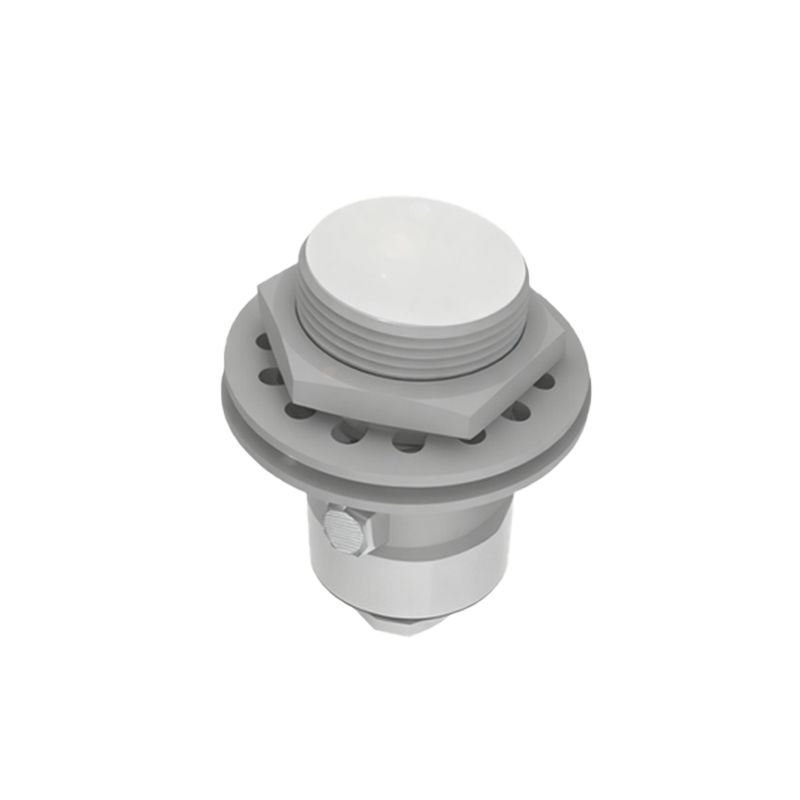
Installation and use also demand best practices. Sensors should be mounted securely to prevent vibration from altering the sensing gap. One must be mindful of the "flush-mountable" or "non-flush-mountable" designation. Flush-mounted sensors can be installed embedded in metal without affecting their range, whereas non-flush types require a clear zone around the sensing face to achieve their full range. It is also important to maintain adequate distance between multiple sensors to prevent mutual interference of their magnetic fields.
In conclusion, proximity electromagnetic sensors represent a mature, highly reliable technology that forms an invisible backbone for modern automation. Their simplicity, robustness, and speed make them an indispensable tool for engineers and system integrators. By understanding their operating principle, inherent limitations, and key selection criteria, one can effectively deploy these sensors to create more efficient, reliable, and intelligent automated systems across countless industries.