In the world of industrial automation, robotics, and smart systems, proximity sensors are the silent sentinels. These non-contact devices detect the presence or absence of an object, enabling precise control, safety, and efficiency. Choosing the right brand is critical, as it impacts reliability, performance, and long-term operational costs. The market is populated by established giants and innovative specialists, each offering distinct advantages. This overview highlights leading proximity sensor brands, examining their core strengths and typical application domains.
Sick AG stands as a German powerhouse in sensor technology and industrial automation. Renowned for exceptional precision and robustness, Sick's proximity sensor portfolio is vast. It includes high-performance inductive, capacitive, and magnetic sensors designed for harsh environments. Their products often feature advanced diagnostics, IO-Link communication for Industry 4.0 readiness, and high switching frequencies. Industries like automotive manufacturing, packaging, and logistics rely heavily on Sick sensors for tasks requiring millimeter accuracy and unwavering reliability under constant vibration, temperature extremes, or exposure to coolants.
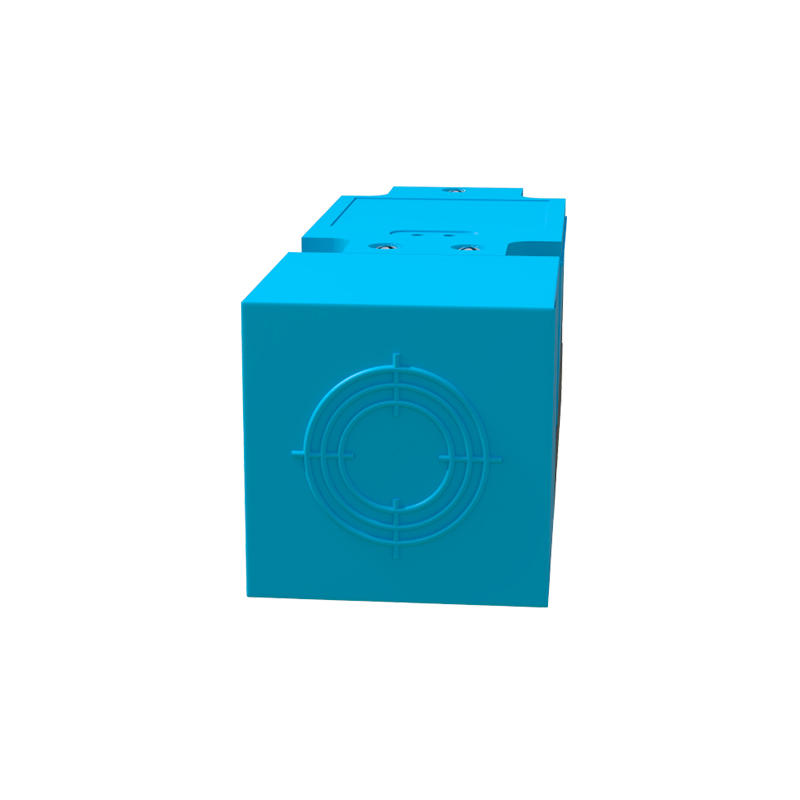
Omron, a Japanese multinational, is another titan in the automation components sector. Omron proximity sensors are celebrated for their consistent quality, extensive variety, and global availability. From miniature cylindrical sensors for tight spaces to rectangular models with long sensing ranges, Omron caters to nearly every need. A key strength is their focus on innovation in miniaturization and noise immunity. Engineers often turn to Omron for general-purpose machine automation, electronic assembly lines, and consumer goods manufacturing, where a balance of cost and performance is essential.
Pepperl+Fuchs, with its deep roots in intrinsic safety and process automation, is the go-to brand for challenging and hazardous areas. Their expertise in developing sensors for explosive atmospheres (ATEX, IECEx) is unparalleled. Beyond explosion protection, they offer a comprehensive range of inductive, capacitive, and ultrasonic proximity sensors with high chemical resistance and robust housing. This makes them indispensable in oil & gas, chemical processing, pharmaceutical, and food & beverage industries, where sensors must endure washdowns, corrosive substances, or potentially ignitable dust and gases.
For those seeking premium performance in high-speed, precision applications, Balluff GmbH is a leading choice. This German company emphasizes technical sophistication and durability. Balluff sensors are known for their exceptional repeat accuracy, very short response times, and innovative form factors like ring sensors and slot sensors. They are pioneers in integrating RFID and identification technology with sensing. Balluff products are frequently specified in advanced robotics, metalworking (e.g., CNC machine tooling), and automated assembly systems where every millisecond and micron counts.
While the brands above dominate industrial settings, the rise of the Internet of Things (IoT) and smart devices has fostered a different segment. Brands like Telemecanique Sensors (part of Schneider Electric) and Carlo Gavazzi offer strong portfolios that bridge industrial and building automation. These brands provide reliable, cost-effective sensors for applications in HVAC control, access control, elevator positioning, and energy management systems. Their products prioritize ease of installation, broad voltage compatibility, and suitability for less severe environmental conditions.
Selecting a proximity sensor brand involves a careful evaluation of several factors beyond the initial price tag. Consider the operational environment: Will the sensor face extreme temperatures, moisture, metallic dust, or mechanical impacts? The required sensing range, target material (metal, plastic, liquid), and output type (PNP/NPN, analog, IO-Link) are fundamental technical parameters. For modern smart factories, digital communication capabilities like IO-Link are becoming a significant differentiator, enabling parameter setting, condition monitoring, and easier integration into PLC systems.
Ultimately, the "best" brand is the one that most precisely matches the specific application's demands for performance, environment, and connectivity. Established leaders like Sick, Omron, and Pepperl+Fuchs set the benchmark for reliability and specialized capabilities. Balluff excels in high-end precision automation, while other brands effectively serve commercial and building automation needs. Investing in a reputable brand from a trusted distributor ensures not only a quality product but also access to technical support, comprehensive documentation, and a reliable supply chain, safeguarding the productivity and intelligence of automated systems for years to come.