Introduction to Four-Leg U-Shaped Photoelectric Sensors
A Four-Leg U-Shaped Photoelectric Sensor, often referred to as a through-beam sensor, is a critical component in modern industrial automation. This sensor consists of two separate units: a transmitter and a receiver, housed in a robust U-shaped bracket with four mounting legs for enhanced stability. The transmitter emits a continuous beam of light, typically infrared or visible red, which is directly received by the opposite unit. Any object passing through the U-shaped gap interrupts this beam, triggering an immediate output signal. This design offers unparalleled reliability for object detection, counting, and positioning tasks in demanding environments such as packaging lines, material handling systems, and assembly machinery. Its physical structure provides inherent alignment and simplifies installation compared to separate emitter and receiver setups.
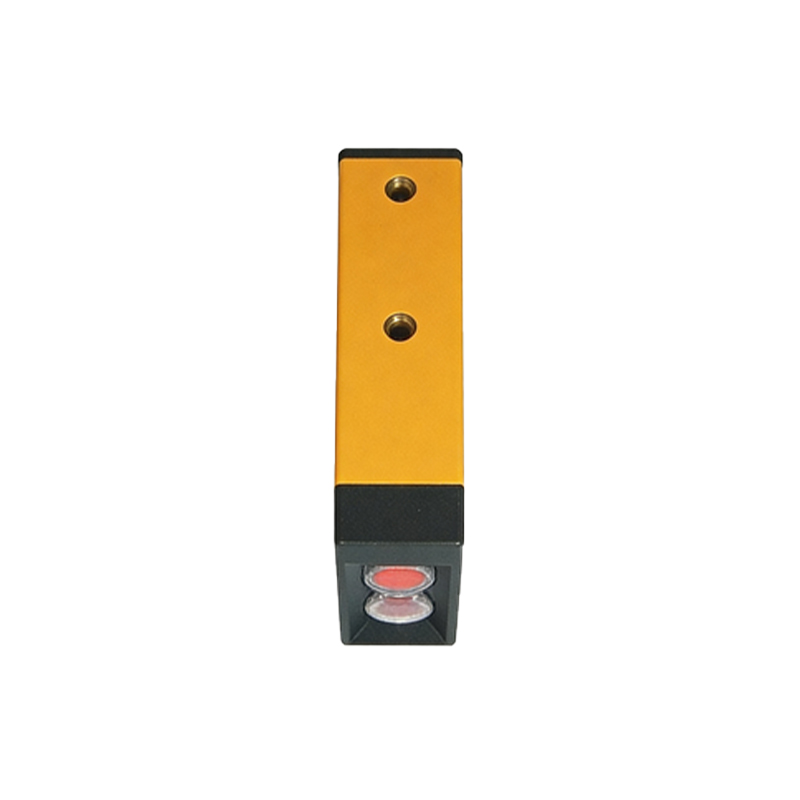
Key Operational Principles and Advantages
The core principle relies on the modulation of light. The emitted beam is pulsed at a specific frequency, and the receiver is tuned to detect only this frequency. This technique makes the sensor highly immune to ambient light interference from factory lighting or sunlight. The primary advantage of the four-leg U-shaped configuration is its exceptional sensing reliability and long detection range relative to its size. Because the beam travels directly from emitter to receiver, it can detect virtually any object, regardless of surface color, reflectivity, or material transparency (to a degree). The four-legged design ensures mechanical rigidity, preventing misalignment due to vibration or accidental impact, which is a common failure point in industrial settings. This leads to reduced maintenance downtime and higher system availability.
Critical Technical Specifications for Selection
Selecting the appropriate sensor requires careful analysis of several specifications. The sensing gap, or the distance between the arms of the U-shape, is paramount and must accommodate the size of the target objects. The detection range is typically consistent with the gap width. Response time, measured in milliseconds or microseconds, determines how fast the sensor can detect objects on high-speed lines. Light source type (e.g., red LED, infrared LED) and beam shape also influence performance. Environmental ratings are crucial; look for Ingress Protection (IP) ratings like IP67 for dust and water resistance, and operational temperature ranges suitable for the application area. Output types (NPN/PNP transistor, analog) must be compatible with the connected controller (PLC). The four-leg mount often includes slotted holes for easy adjustment and secure fastening.
Installation, Alignment, and Calibration Best Practices
Proper installation is key to optimal performance. The four mounting legs should be securely fastened to a stable surface, ensuring the sensing path is clear of obstructions. While the U-shape guarantees basic alignment, fine-tuning may be necessary for very long-gap models. Use the sensor's built-in alignment indicator, usually an LED that changes state or brightness when the beam is properly received. Avoid mounting in locations with excessive vibration or where condensation may form directly on the lenses. Ensure that the target object will consistently pass through the center of the beam for reliable detection. Regular calibration is generally not required for digital output models, but periodic cleaning of the optical lenses with a soft cloth is recommended to prevent false triggers from dust or oil buildup.
Common Applications Across Industries
These sensors are ubiquitous in automation. In packaging, they detect the presence of boxes on conveyors for triggering labelers or fillers. In automotive assembly, they verify the passage of components along a robotic cell. They are ideal for counting tasks, such as monitoring production output of bottled goods or pharmaceutical vials. In material handling, they provide position feedback for elevator or shuttle systems, ensuring objects are correctly located before a process begins. Their robustness also makes them suitable for harsh environments like woodworking (sawdust) or food and beverage production (with frequent washdowns), provided the correct IP rating is selected. The through-beam principle ensures reliable detection of transparent objects like glass or plastic films, which often challenge diffuse-reflective sensors.
Troubleshooting and Maintenance Guidelines
Most issues stem from alignment, obstruction, or environmental factors. If the sensor fails to detect, first verify power supply and wiring connections. Check the alignment indicator LED. Persistent failure may indicate physical misalignment; inspect the mounting brackets for looseness. Clean the emitter and receiver lenses. Ensure no new machinery or reflective surfaces are causing stray light to enter the receiver. In environments with heavy particulate, a protective air curtain or regular cleaning schedule may be necessary. Electrical noise from nearby motors or drives can sometimes interfere; using shielded cables and proper grounding is essential. Understanding the sensor's diagnostic indicators, as per the manufacturer's manual, is the first step in efficient troubleshooting.
Future Trends and Integration with Industry 4.0
The evolution of Four-Leg U-Shaped Photoelectric Sensors is closely tied to smart manufacturing. Future models are integrating advanced diagnostics and communication protocols like IO-Link. IO-Link enables the sensor to transmit detailed status information—such as signal strength, internal temperature, and operating hours—to a central control system, facilitating predictive maintenance. There is also a trend toward miniaturization without sacrificing detection range or durability, allowing for installation in tighter spaces. Enhanced connectivity will allow these sensors to become active data points within the Industrial Internet of Things (IIoT), contributing to overall equipment effectiveness (OEE) calculations and providing granular data for process optimization analytics.