Understanding Embedded Proximity Sensors
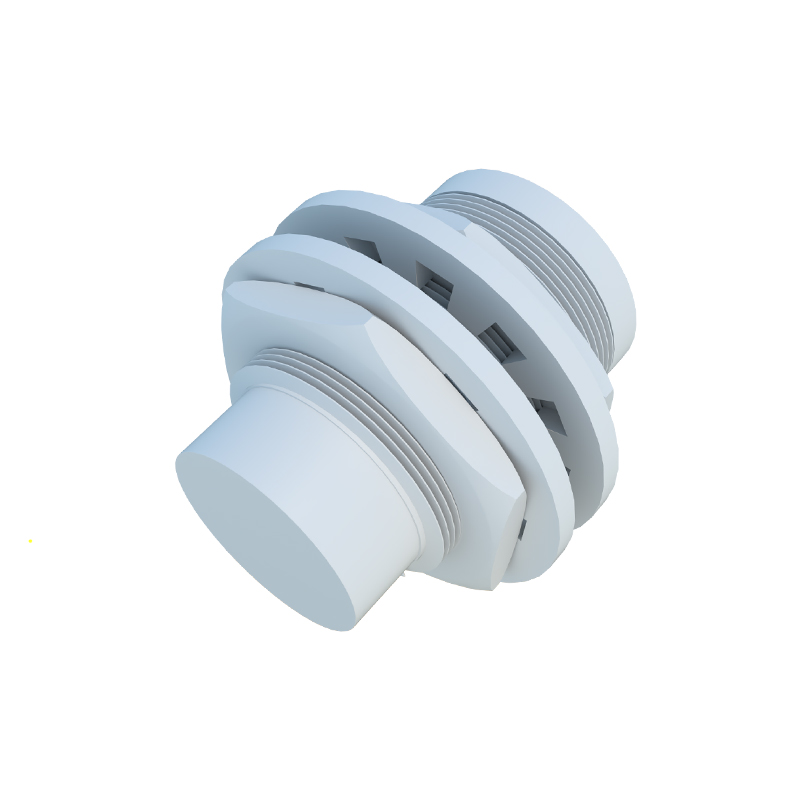
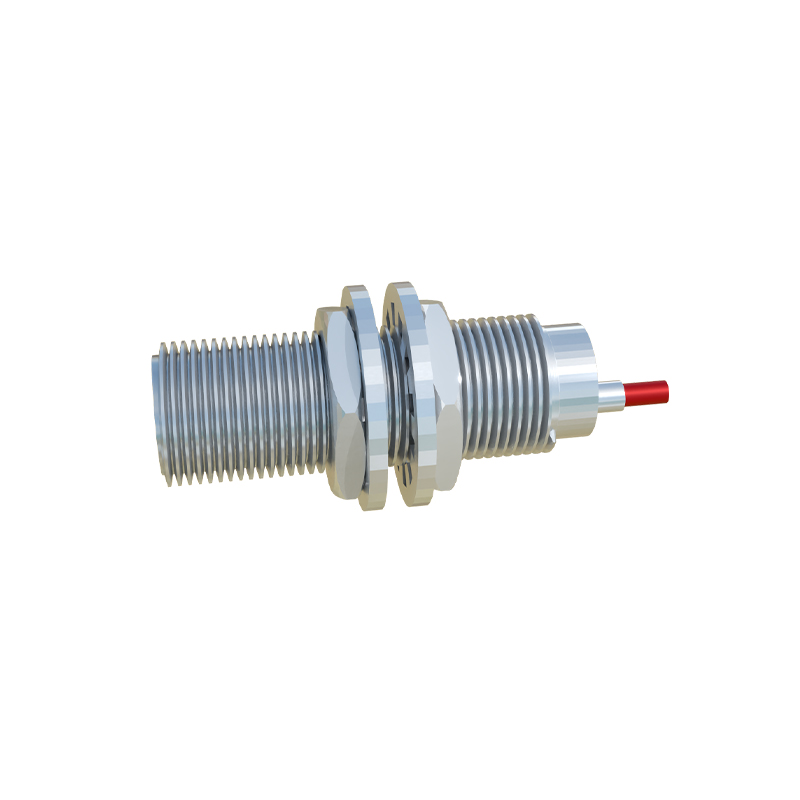
Embedded proximity sensors, often referred to as flush-mountable or non-flush sensors, are designed to be installed within a metal bracket or mounting fixture so that their sensing face is flush with the mounting surface. This installation method provides significant protection for the sensor head against mechanical damage, such as impacts or abrasion from passing objects. Unlike non-embedded (non-flush) sensors that protrude, embedded types have a reduced sensing range because the surrounding metal dampens the electromagnetic field. They are ideal for applications where the sensor must be shielded or where space constraints prevent the use of protruding units. The key advantage is their ability to ignore adjacent metallic structures, making them highly reliable in dense mechanical assemblies.
Key Considerations for Installation
Successful embedded installation hinges on precise mechanical tolerances. The mounting hole must be drilled or machined to the exact diameter specified in the sensor's datasheet, typically with a tolerance of +/-0.1mm. A hole that is too large can reduce shielding effectiveness and sensing reliability, while a too-small hole makes installation impossible. The surrounding material should be ferromagnetic (like mild steel) for inductive sensors to function optimally with their embedded characteristic curve. It is also critical to ensure no metal chips or debris remain in the hole, as these can affect performance. Always follow the manufacturer's recommended recess depth to achieve the specified switching distance.
Wiring and Electrical Integration
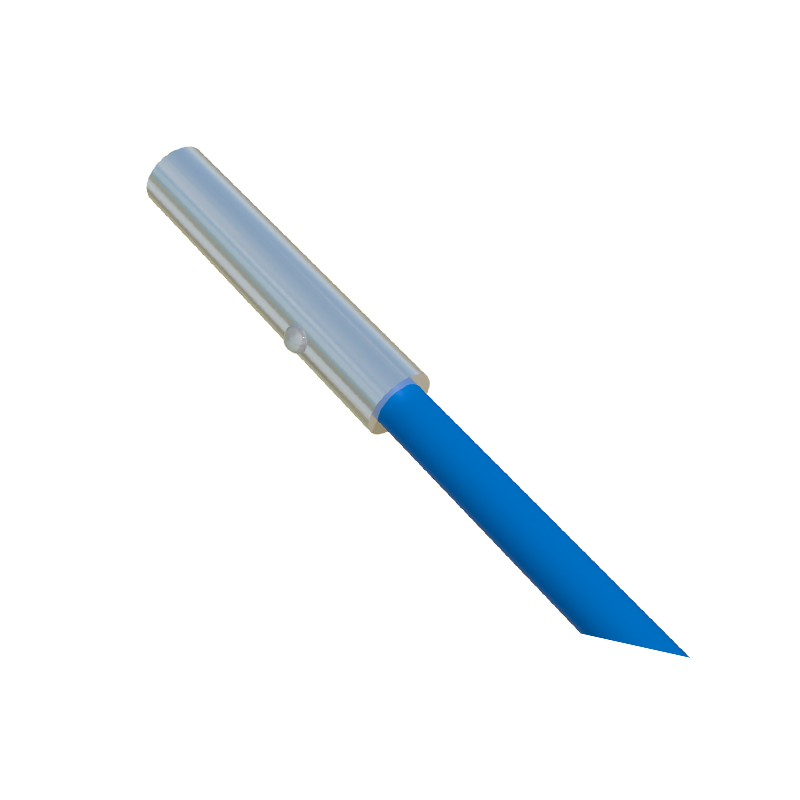
Proper electrical integration is as vital as mechanical mounting. Most industrial embedded proximity switches operate on DC (10-30V DC) or AC voltages, with outputs being PNP (sourcing), NPN (sinking), or analog. Ensure the power supply matches the sensor's requirements and is stable, with sufficient current capacity. Use shielded cables in electrically noisy environments, grounding the shield at the controller end only to prevent ground loops. Maintain proper cable bending radii and strain relief at the connector to prevent wire breakage. For multi-sensor setups, check for mutual interference by maintaining minimum spacing distances, often 2-3 times the sensor diameter, as outlined in technical manuals.
Applications and Industry Use Cases
Embedded proximity sensors are ubiquitous in automated manufacturing and packaging lines. Common applications include position detection of metal parts on conveyor belts, end-of-travel sensing on linear actuators, and presence verification in robotic grippers. In the automotive industry, they monitor piston position in cylinders or detect gear teeth in transmissions. Their flush mounting makes them perfect for safety systems on machine doors, where they detect if a guard is closed without risk of being sheared off. The robust, protected design is also favored in material handling equipment subject to vibration and shock.
Troubleshooting Common Issues
Several typical problems can arise with embedded sensors. Reduced sensing range is often due to incorrect mounting, such as using a non-ferromagnetic mounting bracket or excessive gap between the sensor face and the target. False triggering may be caused by electrical noise, which can be mitigated with ferrite cores on cables or by using sensors with built-in noise immunity. If a sensor fails to detect a target, verify the target material and size; standard inductive sensors only detect metals. For consistent operation, ensure the target approaches the sensor face perpendicularly and is within the guaranteed operating distance, considering temperature and supply voltage effects on performance.
Maintenance and Longevity Tips
While embedded sensors are largely maintenance-free, periodic checks ensure long service life. Inspect the sensing face for accumulation of metallic dust, grease, or other contaminants, and clean it with a soft cloth. Avoid using abrasive cleaners that could scratch the active surface. Check the mechanical integrity of the mounting, as vibration can loosen fixtures over time. Monitor the electrical connections for corrosion, especially in humid environments. Logging operational cycles can help predict end-of-life, as most quality sensors are rated for tens of millions of switching cycles. Keeping a stock of critical spares minimizes downtime in high-availability systems.