Understanding Square Proximity Sensors
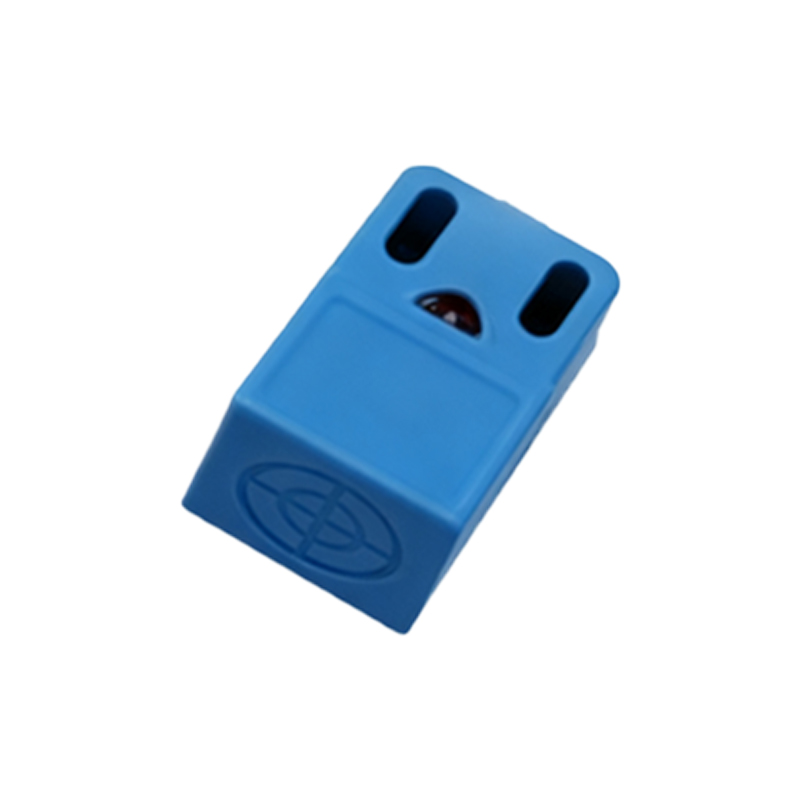
Square proximity sensors are a specialized category of non-contact detection devices, prized in industrial automation for their robust housing and efficient sensing capabilities. Unlike cylindrical sensors, their square or rectangular form factor allows for easier mounting and integration into machinery with flat surfaces, often providing more stable installation. These sensors operate on various principles, including inductive, capacitive, and photoelectric technologies. Inductive square sensors are predominantly used for detecting metallic objects, making them indispensable in metalworking, automotive assembly, and packaging lines. Their square design often houses a larger coil or sensing element, which can translate to a slightly longer sensing range or improved immunity to electrical noise compared to some cylindrical counterparts in the same footprint.
Critical Selection Criteria for Buyers
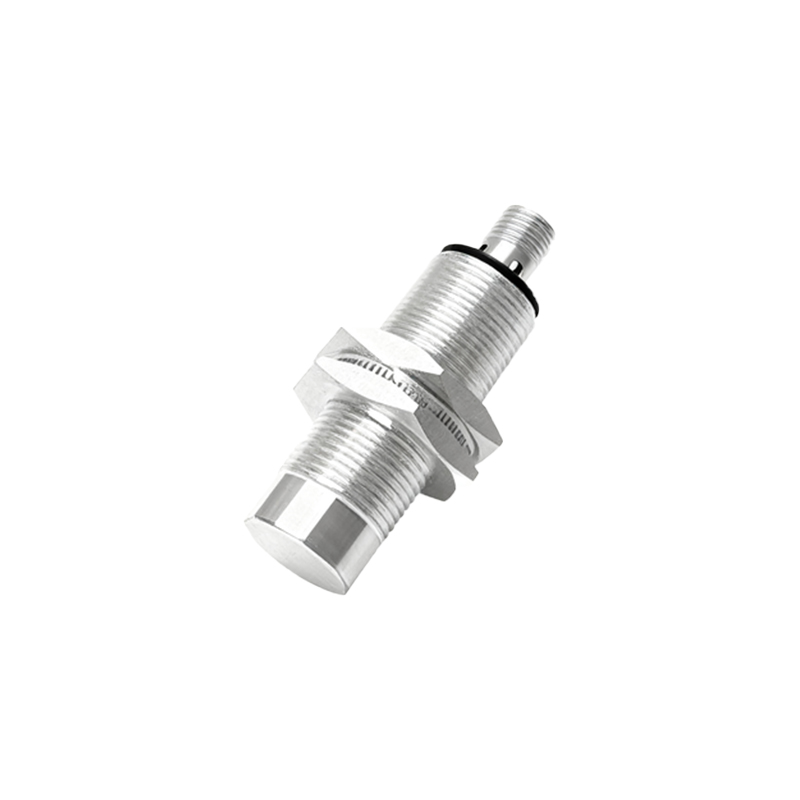
When sourcing square proximity sensors, engineers must evaluate several technical and commercial factors beyond the basic form factor. Sensing range, while typically shorter than cylindrical models due to the shape's geometric constraints, must be precisely matched to the application. The material of the housing, usually nickel-plated brass, stainless steel, or PBT plastic, is crucial for durability in environments with coolants, oils, or chemical exposure. Output configuration (NPN/PNP, NO/NC) must align with the prevailing control system logic. Furthermore, protection ratings like IP67 and IP69K are essential for sensors subjected to washdowns or outdoor conditions. A key consideration is the electrical connection style: pre-wired cables, quick-disconnect (M12, M8 connectors), or terminal blocks, each impacting installation time and maintenance ease.
Leading Global Suppliers and Their Specializations
The market for square proximity sensors is served by a mix of global automation giants and specialized sensor manufacturers. Companies like Sick AG and Pepperl+Fuchs are renowned for their high-precision, rugged sensors suitable for harsh industrial environments, often offering advanced features like IO-Link communication for Industry 4.0 readiness. Omron Corporation and Keyence provide extensive portfolios with high-speed and ultra-precision models critical in electronics and semiconductor manufacturing. Balluff and Turck are recognized for their innovative designs, including flat-pack sensors and multi-voltage models that simplify inventory. For cost-sensitive applications without compromising reliability, suppliers like Autonics and Carlo Gavazzi offer robust alternatives. Each supplier brings distinct strengths in product longevity, technical support, and global supply chain reliability.
Integration and Application Best Practices
Successful integration of a square proximity sensor hinges on proper mechanical and electrical installation. Mechanically, ensuring a flush or non-flush mounting as specified is vital for achieving the advertised sensing distance. Adequate clearance from surrounding metal (the "mounting hub" area) must be maintained to prevent false triggering. Electrically, attention to wiring details—such as using shielded cables in electrically noisy environments and ensuring correct polarity—is paramount. Common applications include position verification of machine tool slides, detecting presence of metal pallets on conveyors, and end-of-stroke detection in pneumatic cylinders. Their flat face is particularly advantageous for detecting small or thin targets that might pass by a cylindrical sensor's curved surface.
Future Trends and Technological Advancements
The evolution of square proximity sensors is closely tied to broader trends in smart manufacturing. The integration of IO-Link is becoming a standard feature, transforming simple sensors into intelligent devices that can communicate parameter data, health status, and process values to the control system. This enables predictive maintenance and remote configuration. Another trend is miniaturization, with suppliers developing compact square sensors for space-constrained robotic grippers and small assembly modules. Furthermore, enhanced materials and coating technologies are extending sensor life in extreme temperatures and corrosive environments. As industries push for higher efficiency and data transparency, the humble square proximity sensor is evolving from a simple switch to a critical data node on the factory floor.