Introduction to Proximity Sensor Pricing
The procurement of proximity sensors is a critical decision point in industrial automation and machinery design. The supply cost is not a singular figure but a complex amalgamation of various technical, commercial, and logistical factors. For engineers and procurement specialists, a deep understanding of these cost drivers is essential for optimizing project budgets and ensuring the selection of a sensor that delivers the required performance without unnecessary expenditure. This analysis delves into the primary elements that constitute the final price quoted by suppliers, moving beyond the basic unit price to provide a comprehensive view of total cost of ownership.
Core Technology and Sensing Principle
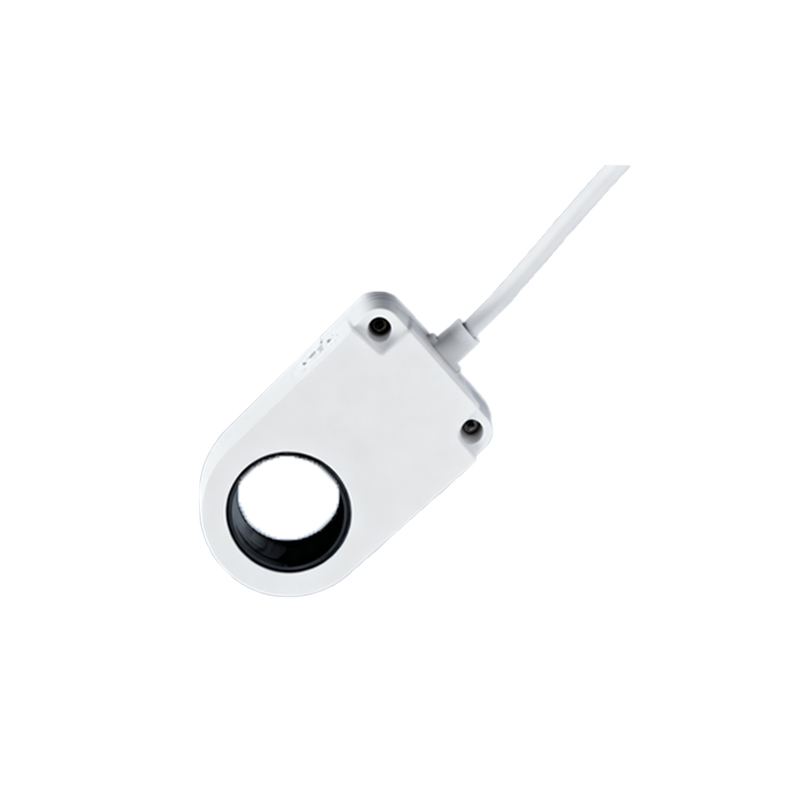
The fundamental technology employed is the most significant determinant of cost. Inductive, capacitive, ultrasonic, and photoelectric sensors each have distinct manufacturing complexities and material requirements. Inductive sensors, commonly used for metal detection, are generally cost-effective for standard ranges but see price increases with extended sensing distances or specialized housing materials like nickel-plated brass. Capacitive sensors, capable of detecting non-metallic objects, often involve more sophisticated electronics, influencing their base price. Photoelectric sensors, with their LED or laser sources and precise receivers, typically command a higher price point, especially for models with advanced background suppression or fiber optic capabilities. The choice of technology is dictated by the application, and this choice sets the initial cost bracket.
Performance Specifications and Tolerances
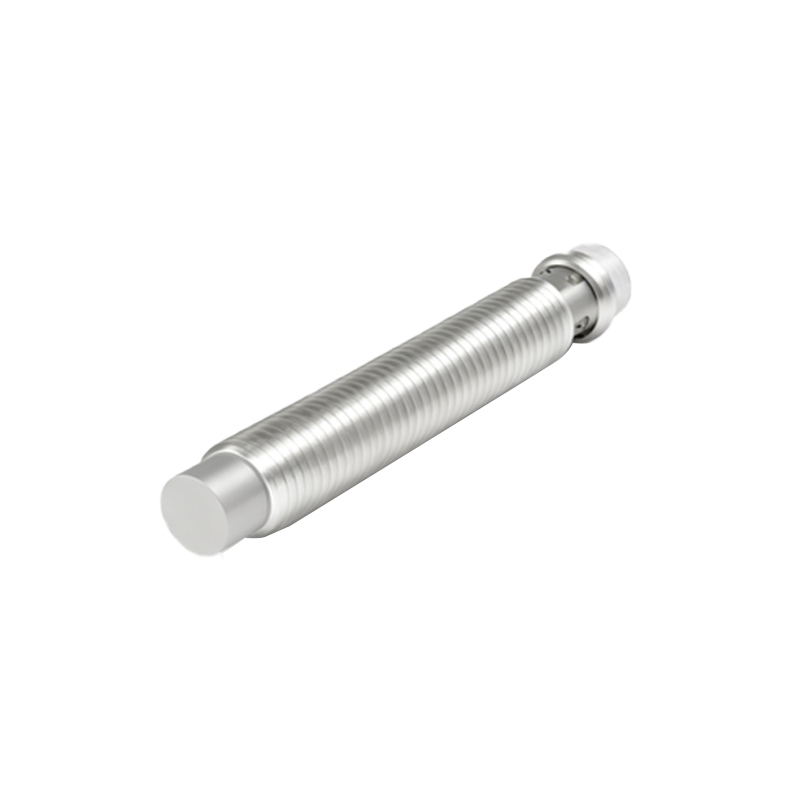
Within a chosen technology, performance parameters drastically affect cost. Key specifications include sensing distance, repeat accuracy, switching frequency, and environmental ratings. A sensor with a 20mm range will be less expensive than an otherwise identical model with a 40mm range. Similarly, a device guaranteeing a repeat accuracy of ±0.1% will involve more precise calibration and higher-grade components than one with ±2% tolerance. High-speed applications requiring switching frequencies above 5 kHz necessitate faster electronic circuitry. Furthermore, sensors rated for extreme conditions—such as IP67/IP69K for washdown environments, high temperature resistance, or resistance to welding spatter—require specialized seals, housings, and circuit protection, all of which add to the manufacturing cost and, consequently, the supply price.
Output Configuration and Electrical Interface
The type of electrical output is a major cost factor. Basic two-wire DC sensors are often the most economical but can have limitations in load current and leakage current. Three-wire NPN or PNP discrete outputs are industry standards with a moderate cost. Analog output sensors (4-20mA, 0-10V), which provide continuous measurement data, are more complex and expensive. IO-Link enabled sensors, which offer digital communication for parameter setting, diagnostics, and process data, incorporate additional communication chips and firmware, placing them at a premium price tier. The choice between cable exit, connector types (e.g., M8, M12), and plug styles also influences the final unit cost and should be considered alongside the wiring infrastructure cost.
Order Volume and Supplier Relationships
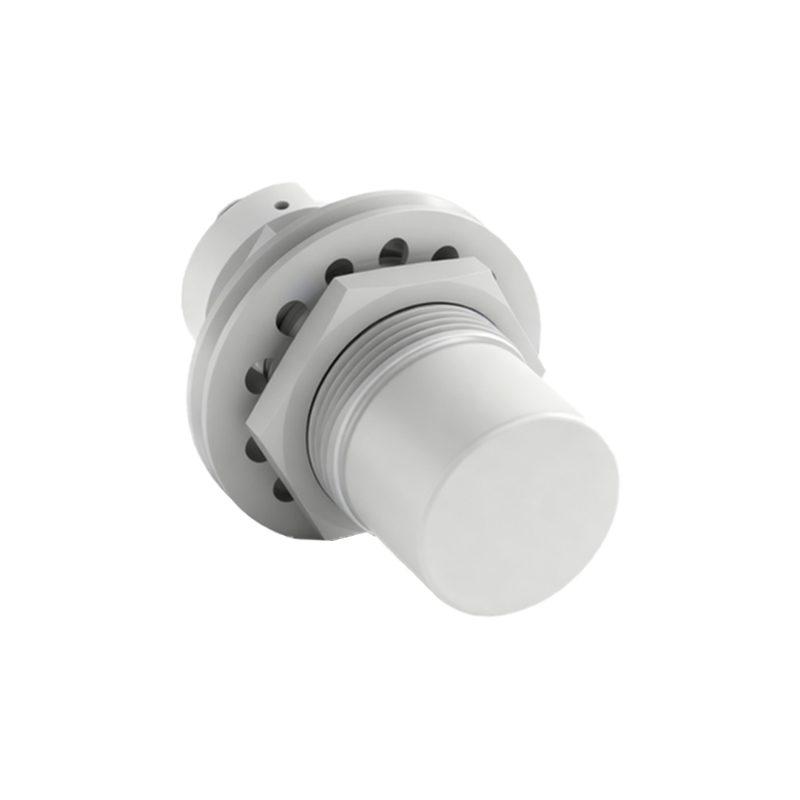
Economies of scale play a universal role in industrial component pricing. A one-time order for ten units will have a significantly higher per-unit cost compared to a blanket order for ten thousand units delivered over a year. Established, long-term partnerships with distributors or manufacturers can lead to better pricing agreements, improved availability, and value-added services like technical support and customized labeling. Conversely, sourcing from a new supplier for a small, urgent requirement often incurs premium charges. Negotiating framework agreements and forecasting demand accurately are crucial strategies for managing this aspect of supply cost.
Logistics, Lead Time, and Geographic Factors
Supply chain logistics directly impact landed cost. Sensors manufactured in Europe or North America may have a higher base price than those produced in Asia, but this can be offset by lower shipping costs, import duties, and shorter lead times for regional customers. Expedited shipping to meet tight project deadlines adds a substantial premium. Furthermore, compliance with regional standards (e.g., UL, CSA, CE, CCC) may require specific product variants or certifications, which can affect both price and availability. The total cost must account for shipping, insurance, customs clearance, and potential tariffs.
Conclusion: Evaluating Total Cost of Ownership
A savvy engineer evaluates the proximity sensor supply cost not merely as a purchase price but as the Total Cost of Ownership (TCO). This includes the initial procurement cost, installation and commissioning time, maintenance requirements, mean time between failures (MTBF), and the cost of production downtime should a sensor fail. Investing in a slightly more expensive, robust sensor with higher reliability and diagnostic features can lead to substantial savings over its operational lifecycle by minimizing unplanned stoppages. Therefore, a holistic analysis that balances technical requirements with commercial and operational factors is paramount for making the most cost-effective