Introduction to Photoelectric Sensor Pricing
The cost of photoelectric sensors, such as those from brands like SUNX (often referred to as "Sunx" in global markets), is not a single fixed value but a spectrum influenced by a complex interplay of technical specifications, market dynamics, and application requirements. For engineers and procurement specialists, understanding these factors is crucial for making cost-effective decisions without compromising on system performance or reliability. A sensor's price is a direct reflection of its capabilities, build quality, and the technological sophistication embedded within its compact housing.
Core Technology and Performance Specifications
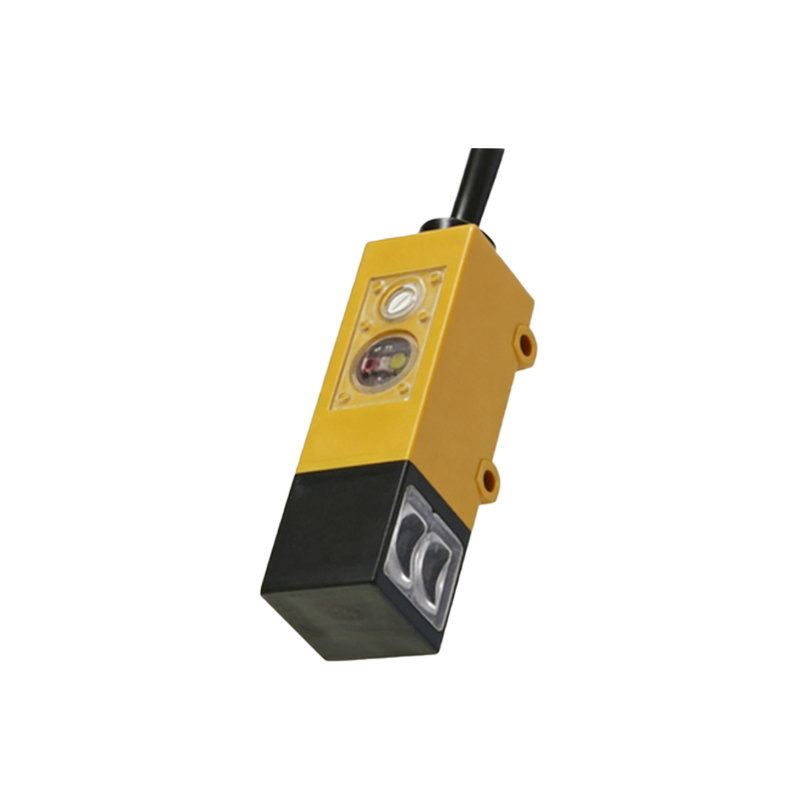
The fundamental technology and performance parameters are the primary drivers of price. Key specifications include sensing range, response time, light source type (e.g., red LED, laser, infrared), and output configuration (PNP/NPN, analog, IO-Link). A standard diffuse sensor with a 1-meter range and simple digital output will be significantly more affordable than a long-range, background suppression laser sensor with analog output and teach-in functionality. High-precision models used in exacting positioning tasks command a premium due to advanced optics and signal processing circuits. The inclusion of smart features like diagnostics, condition monitoring, or advanced connectivity protocols (IO-Link, Ethernet/IP) also adds to the unit cost.
Environmental Protection and Housing Design
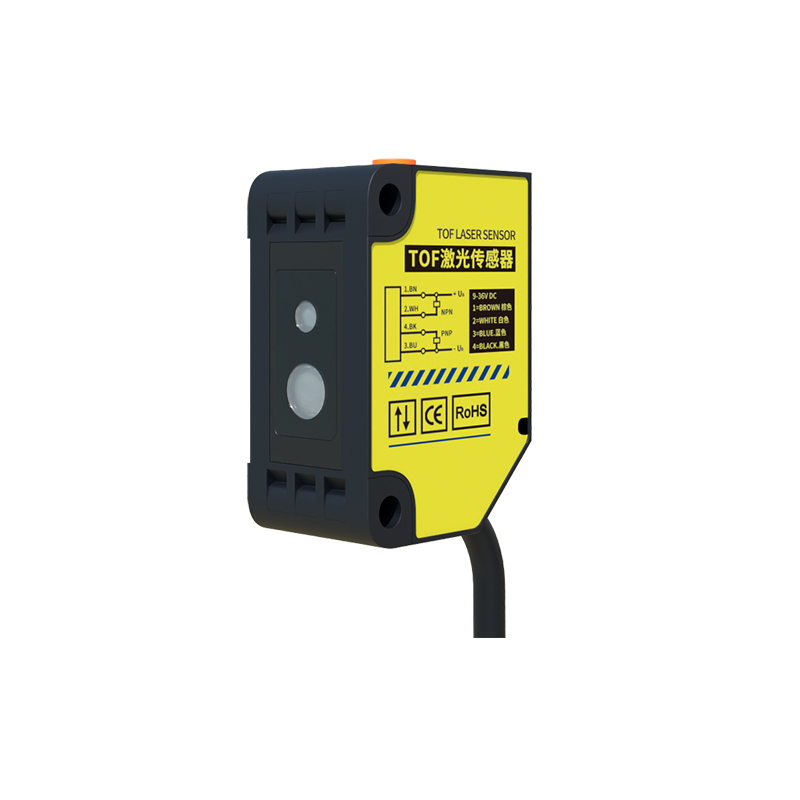
Industrial environments are harsh. The degree of protection offered by the sensor's housing, indicated by its IP (Ingress Protection) and NEMA ratings, directly impacts price. A sensor with an IP67 rating, capable of withstanding dust ingress and temporary immersion, is more expensive than an IP65-rated model. Specialized housings made from stainless steel for corrosive environments or washdown applications, or designs with enhanced resistance to chemicals, oils, and extreme temperatures, involve higher material and manufacturing costs. Ruggedization for high-vibration settings also contributes to a higher price point.
Brand Reputation and Supply Chain Considerations
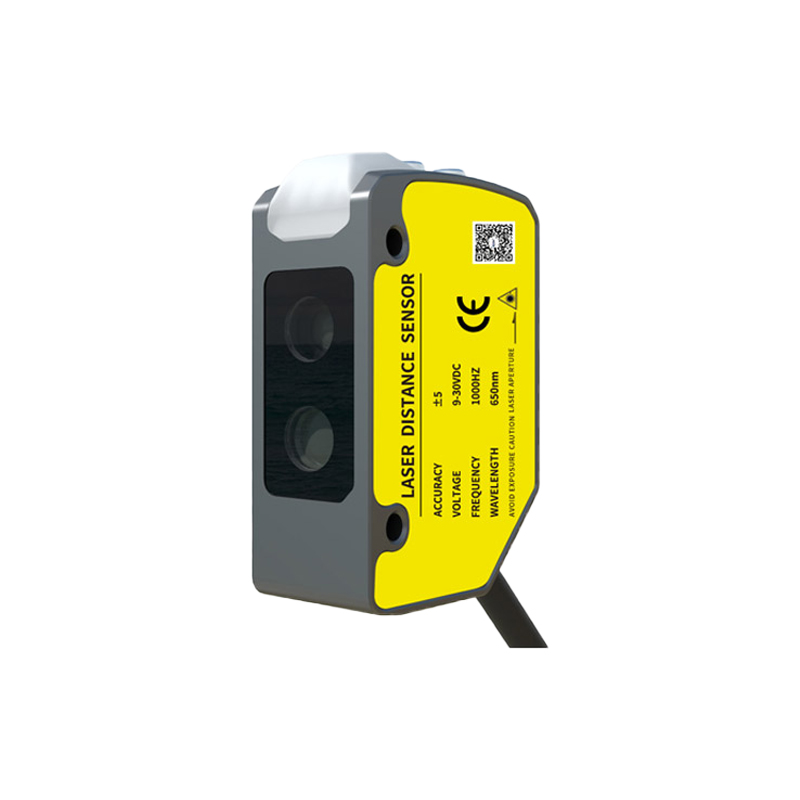
Established brands like SUNX, Omron, Sick, or Banner have built a reputation for reliability, precision, and extensive technical support. This brand equity often translates into a price premium compared to generic or lesser-known alternatives. These brands invest heavily in research, quality control, and global distribution networks, costs that are factored into the product price. Furthermore, global supply chain stability, component availability (especially for specialized chips and lenses), and regional logistics all influence the final market price. Lead times for highly customized or high-performance sensors can also affect cost structures.
Purchase Volume and Configuration Options
Economies of scale apply strongly in industrial automation. Purchasing sensors in bulk, whether for a large project or as a standard component across a factory, typically results in substantial per-unit cost reductions from distributors or directly from manufacturers. Conversely, single-unit purchases are priced at a premium. Additionally, many sensors offer configurable options such as different cable lengths, connector types, or mounting brackets. Choosing standard configurations keeps costs down, while special requests (e.g., extra-long cables, custom connectors) will increase the price.
Total Cost of Ownership vs. Initial Purchase Price
A critical concept for engineers is evaluating the Total Cost of Ownership (TCO), not just the initial purchase price. A slightly more expensive, high-quality sensor from a reputable supplier may offer far greater value over its lifecycle. Factors in TCO include mean time between failures (MTBF), reduced downtime, maintenance needs, compatibility with existing systems, and the availability of replacement parts. A cheaper sensor that fails prematurely and halts a production line can incur costs far exceeding the price difference of a more robust model. Investing in reliability and longevity is often the most economical choice.
Market Trends and Future Outlook
The photoelectric sensor market is dynamic. Trends like the increasing adoption of Industry 4.0 and IIoT are pushing demand for smarter, connected sensors with embedded intelligence. While adding initial cost, these sensors can provide long-term savings through predictive maintenance and data integration. Conversely, competition in the market for standard sensor types helps keep prices competitive. Advances in manufacturing and component technology may gradually reduce costs for certain performance tiers. Staying informed about these trends helps in strategic budgeting and technology planning.
Conclusion and Procurement Strategy
In summary, the price of an industrial photoelectric sensor is a function of its performance, durability, brand, and purchase context. A successful procurement strategy involves clearly defining the application requirements, prioritizing critical specifications, and considering the total cost of ownership. Engaging with technical distributors or manufacturer representatives can provide valuable insights into the cost-benefit analysis of different models. By focusing on the value delivered over the sensor's operational life, engineers can make informed decisions that balance budgetary constraints with the demands of reliable, efficient automation.