Introduction to Clamping Tool Signal Sensors
In the realm of industrial automation and machine control, the precise detection of tool position is paramount. The clamping tool signal sensor, a specialized type of proximity switch, serves as the critical interface between the physical state of a tool—such as a drill bit, milling cutter, or gripper—and the electronic control system. These sensors provide a reliable, non-contact method to confirm whether a tool is correctly seated, clamped, or present within its holder. This binary signal forms the foundation for safe and efficient machine operation, preventing costly collisions, tool breakage, and production errors. Unlike standard limit switches, these sensors are engineered to withstand the harsh environments typical of machining centers, including exposure to coolants, metal chips, vibrations, and electromagnetic interference.
Core Operating Principles and Technology
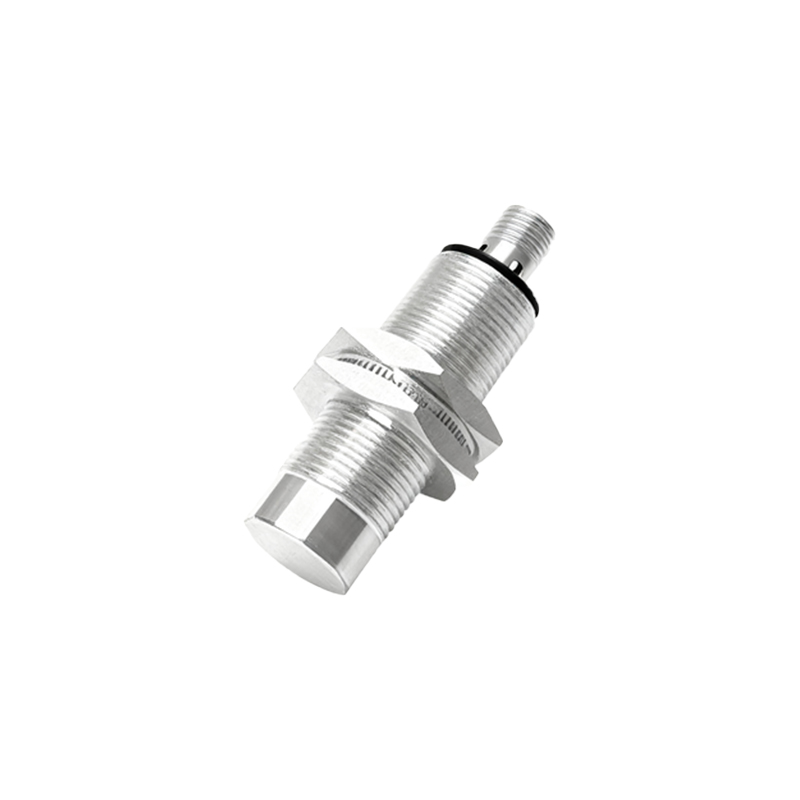
The majority of modern clamping tool signal sensors operate on the inductive proximity principle. A high-frequency oscillating circuit generates an electromagnetic field from the sensor's active face. When a metallic tool or the tool holder itself enters this detection field, eddy currents are induced in the metal object. This causes a change in the oscillation amplitude, which is detected by the sensor's circuitry. This change triggers a solid-state switching output, typically in the form of a PNP (sourcing) or NPN (sinking) signal. For applications involving non-metallic tools, capacitive variants are available, detecting changes in dielectric constant. Key specifications include sensing distance, which is often very short (e.g., 1-3mm) for precise positioning, repeat accuracy, switching frequency, and the type of output (e.g., DC 3-wire, analog, or IO-Link for advanced diagnostics).
Key Design Features and Robustness
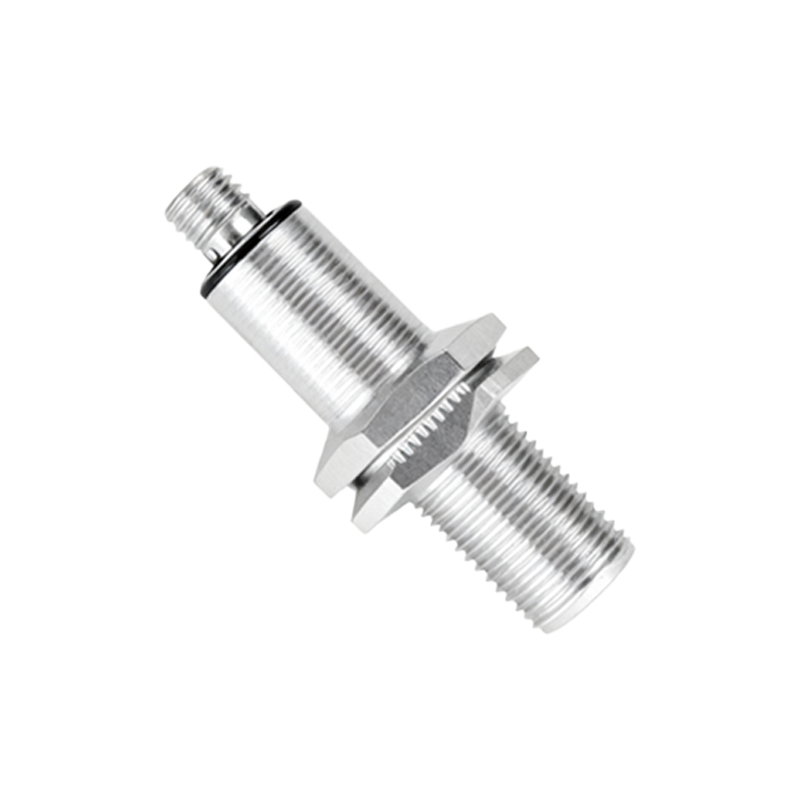
Durability is a non-negotiable requirement for these components. High-quality clamping tool signal sensors feature housings made from stainless steel (e.g., V4A/AISI 316) or nickel-plated brass, offering exceptional resistance to corrosion from coolants and cleaning agents. The sensing face is often protected by a wear-resistant material like PBT or PPS. A critical design aspect is the inclusion of robust shielding. Shielded (flush-mountable) sensors are essential in metal-rich environments, as they allow for side-by-side mounting without mutual interference and are less affected by surrounding metal, ensuring that the detection is focused solely on the target. Furthermore, they are designed with high protection ratings, commonly reaching IP67, IP68, or IP69K, safeguarding against dust ingress and high-pressure washdowns.
Integration into Machine Control Systems
The output from the clamping tool signal sensor is a vital input for the Programmable Logic Controller (PLC) or the CNC system. The wiring is straightforward, typically involving a brown wire for DC+, a blue wire for DC-, and a black wire for the switched output signal. Upon receiving the "tool clamped" signal, the control system can proceed with the next steps in the machining sequence, such as spindle start, feed motion, or tool change commands. Conversely, the absence of a signal, or a signal indicating "tool unclamped," will halt the process, trigger an alarm, and prevent any movement that could cause damage. Advanced sensors with IO-Link capability provide additional benefits, such as real-time monitoring of sensor health, parameterization via software, and diagnostic data like operating temperature and signal strength, enabling predictive maintenance.
Common Applications and Use Cases
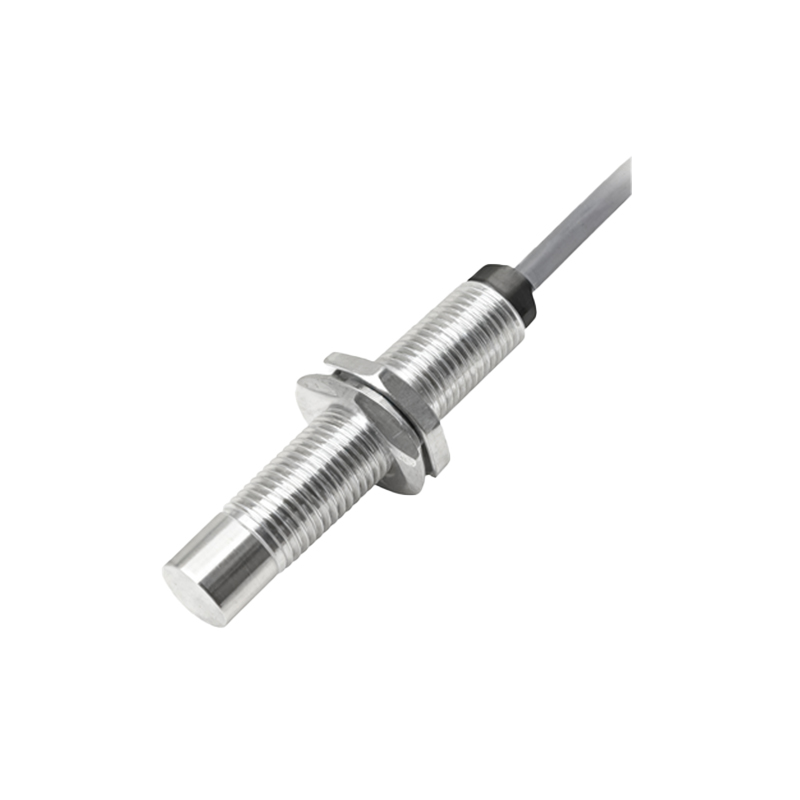
The primary application is in automatic tool changers (ATCs) for CNC machining centers, milling machines, and lathes. Here, sensors verify that a tool is securely locked in the spindle before high-speed rotation begins. They are equally crucial in tool storage magazines, confirming the presence or absence of a tool in a specific pocket. Beyond metal cutting, these sensors are used in robotic gripper systems to confirm workpiece acquisition, in assembly fixtures to verify component placement, and in packaging machinery to detect the presence of sealing jaws or cutting blades. Any automated process where the secure positioning of a metallic component must be verified before initiating a subsequent action is a potential application for a clamping tool signal proximity switch.
Selection Criteria and Installation Best Practices
Selecting the correct sensor requires careful analysis. Engineers must consider the target material (steel, aluminum, brass), the required sensing distance, the available mounting space, and the electrical characteristics of the control system (voltage, current sink/source). Environmental factors like temperature range, potential chemical exposure, and vibration levels are also decisive. During installation, precise alignment between the sensor and the detection target (e.g., a groove or flat on the tool holder) is critical for reliable operation. Mounting must be secure to