Understanding the Hazard: Explosive Atmospheres
In industrial environments such as chemical plants, oil refineries, grain silos, and paint booths, the presence of flammable gases, vapors, mists, or combustible dusts creates a potentially explosive atmosphere. A single spark or sufficient heat generated by standard electrical equipment can ignite these substances, leading to catastrophic events. Therefore, any electronic device, including photoelectric sensors, intended for use in these classified hazardous areas must be specifically designed and certified to prevent ignition. The core principle is not necessarily to make the sensor housing "stronger" against an internal explosion, but to design it in a way that eliminates any potential ignition source under normal operation or foreseeable fault conditions.
Explosion-Protection Methods for Photoelectric Sensors
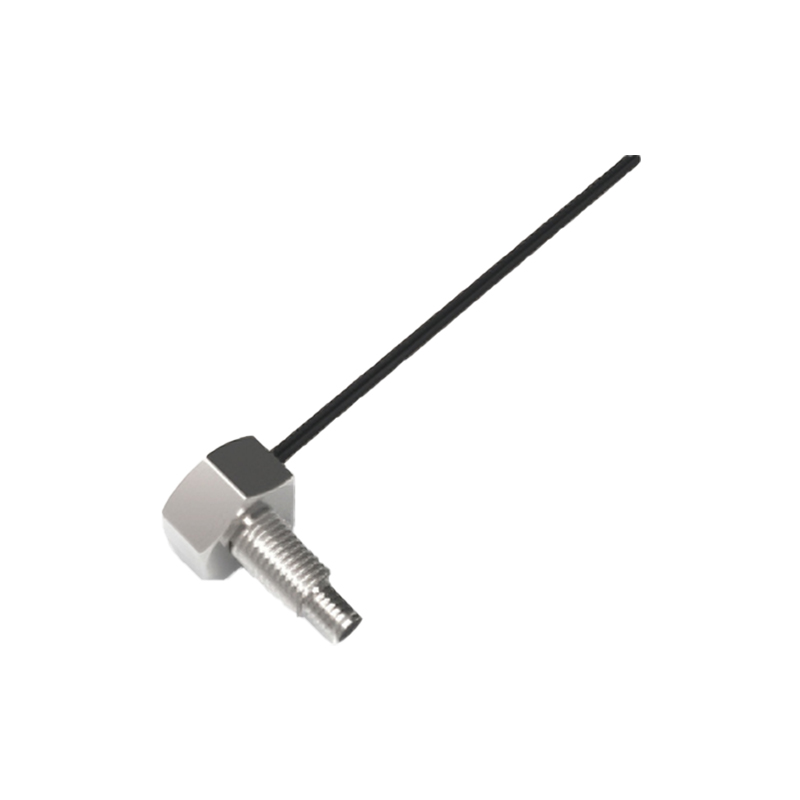
Photoelectric sensors can indeed be made suitable for hazardous locations through various protection techniques. The most common methods are encapsulated construction ("Ex m"), intrinsic safety ("Ex i"), and explosion-proof or flameproof enclosures ("Ex d"). Encapsulation involves completely sealing the sensor's electrical components in a resin compound to prevent contact with the explosive atmosphere. Intrinsic safety is a design concept that limits the electrical and thermal energy within the sensor circuit to a level below what is required to ignite a specific hazardous gas or dust. This is often used for sensors with lower power requirements. The explosion-proof method involves housing the sensor in a rugged enclosure that can withstand an internal explosion of the flammable mixture and prevent the transmission of the explosion to the external atmosphere through flame-path joints that cool the escaping gases.
Key Standards and Certification Marks
Globally, several standards govern equipment for explosive atmospheres. In North America, the primary system is governed by the National Electrical Code (NEC) and Canadian Electrical Code (CEC), which define Class, Division, and Group classifications. Equipment is typically certified by agencies like UL (Underwriters Laboratories) or CSA (Canadian Standards Association). The international standard, widely used in Europe and many other regions, is the IECEx system based on IEC standards. The ATEX directive (2014/34/EU) is the regulatory framework for the European Union. A certified explosion-protected photoelectric sensor will carry relevant markings, such as "UL Listed for Class I, Division 2" or "ATEX II 2G Ex ia IIC T6 Ga / II 2D Ex ia IIIC T85°C Da." These codes specify the type of hazard, zone, protection level, gas group, and temperature class.
Selecting the Right Explosion-Protected Sensor
Choosing the correct sensor is a critical safety procedure. First, a formal area classification conducted by a qualified engineer must determine the specific Class/Division/Zone, and the Group (nature of the explosive material). Secondly, the sensor's temperature class (T-Code) must be considered; it indicates the maximum surface temperature of the equipment and must be below the ignition temperature of the surrounding gas or dust. The sensor's protection method (e.g., Ex i, Ex d) must be appropriate for the designated zone. Furthermore, operational factors like sensing range, light source (red, laser, infrared), output type (PNP/NPN, analog, IO-Link), and housing material (stainless steel, brass, plastic with specific ratings) must align with the application's functional needs while maintaining the safety integrity.
Installation and Maintenance Imperatives
Proper installation is paramount to maintaining the explosion-protection integrity. This includes following manufacturer instructions precisely, using certified cable glands and conduits, ensuring correct torque on flame-path joints for Ex d enclosures, and verifying that any connected barriers for intrinsically safe circuits are correctly rated and installed. Regular inspection and maintenance are required to check for physical damage, corrosion, or degradation of seals and gaskets. Only personnel trained in working with equipment in hazardous areas should perform installation or maintenance tasks. Never modify or repair an explosion-protected device in the field; always return it to the manufacturer or an authorized service center.
Applications and Industry Use Cases
Explosion-protected photoelectric sensors are indispensable in numerous high-risk industries. In oil and gas, they monitor valve positions, detect levels in tanks, and control robotic arms on offshore platforms. In chemical processing, they ensure precise bottle filling, count containers on conveyor lines within explosive atmospheres, and detect object presence in reactor feed systems. In grain handling and food processing where combustible dust is a risk, these sensors manage material flow, monitor silo levels, and provide safety interlocking on equipment like elevators and mills. Their reliability and safety enable automation in environments where standard sensors would pose an unacceptable risk.