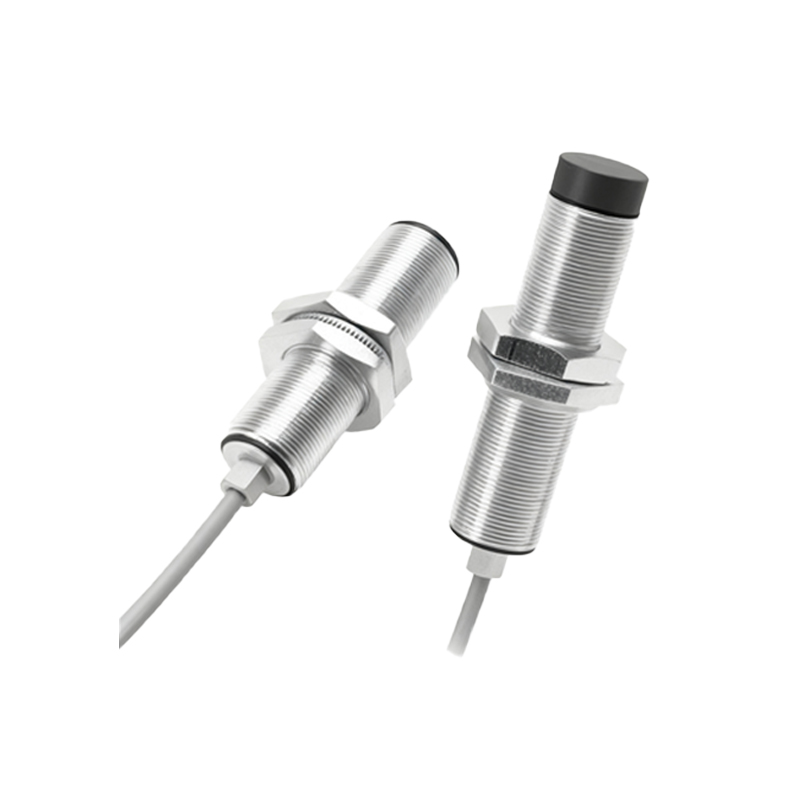
Capacitive sensor proximity measurement represents a fundamental technology in modern industrial automation and consumer electronics. Unlike traditional mechanical switches or optical sensors, capacitive sensors operate by detecting changes in an electrostatic field generated between the sensor electrode and a target object. This non-contact method enables reliable detection of both conductive and non-conductive materials, including metals, plastics, liquids, and even human presence, without physical interaction.
The core principle relies on the ability of objects to alter the capacitance of a sensing system. A typical capacitive proximity sensor consists of an oscillator circuit, a sensing electrode, and a signal conditioning unit. When an object enters the sensing field, it modifies the dielectric properties between the electrode and ground, leading to a measurable change in capacitance. This variation is converted into a digital or analog output signal, indicating the object's proximity. Key performance parameters include sensing range, resolution, response time, and environmental stability.
Industrial applications are extensive. In manufacturing, capacitive sensors perform precise positioning, level detection in tanks, and part presence verification on assembly lines. Their immunity to dust, moisture, and ambient light makes them suitable for harsh environments where optical sensors may fail. For instance, in food processing, sensors detect liquid levels through container walls without contamination risk. Automotive systems utilize them for seat occupancy detection, touch-sensitive controls, and fluid monitoring.
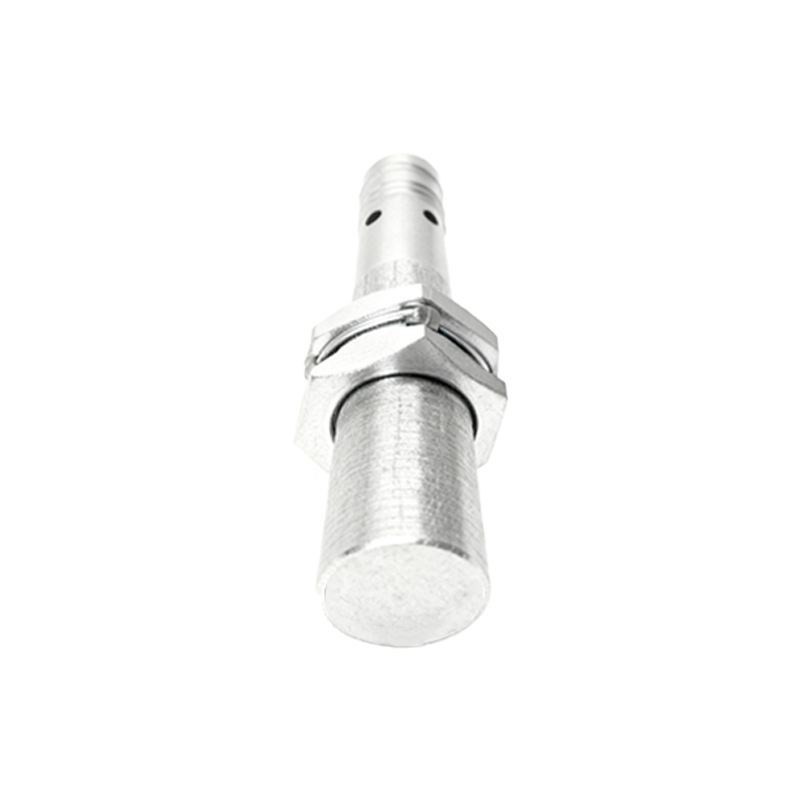
Consumer electronics heavily integrate capacitive sensing for enhanced user interfaces. Smartphones employ it for touchscreens, proximity-based display dimming during calls, and gesture recognition. Home appliances feature touch-activated panels, while wearable devices use it for heart rate monitoring through skin contact. The technology's low power consumption and durability align well with portable device requirements.
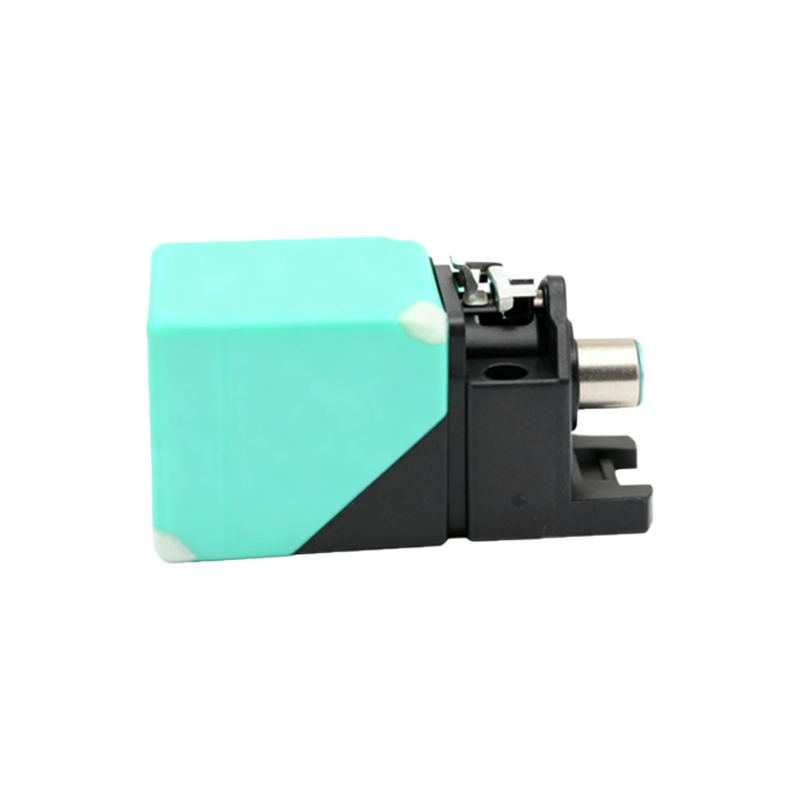
Design considerations involve optimizing electrode geometry, shielding against electromagnetic interference, and compensating for environmental factors like temperature and humidity. Advanced sensors incorporate self-calibration algorithms to maintain accuracy over time. Challenges include false triggering from unintended objects and limited range compared to inductive sensors for metallic targets. However, ongoing research focuses on multi-electrode arrays and frequency modulation techniques to improve selectivity and extend detection distances.
Future trends point toward miniaturization and integration with IoT systems. Emerging applications include smart packaging with freshness detection, biomedical implants for continuous monitoring, and human-machine interfaces in robotics. As industries demand higher precision and reliability, capacitive proximity measurement continues to evolve, offering a versatile solution for diverse sensing needs. Its non-invasive nature and material versatility ensure sustained relevance in technological advancements.