Metal proximity sensor switches are essential components in modern industrial automation and safety systems. These devices detect the presence or absence of metallic objects without physical contact, relying on electromagnetic fields or other sensing principles. The most common type is the inductive proximity sensor, which generates an oscillating electromagnetic field. When a metal object enters this field, eddy currents are induced in the metal, causing a change in the sensor's oscillation amplitude or frequency. This change is detected by the internal circuitry, which then triggers a switch signal—either turning on or off an output.
One key advantage of these sensors is their durability. Since there is no physical contact between the sensor and the target object, wear and tear are minimized, leading to longer operational life and reduced maintenance. They are also highly reliable in harsh environments, resisting dust, moisture, and vibrations, making them ideal for manufacturing plants, automotive assembly lines, and heavy machinery.
Different metals affect sensor performance differently. Ferrous metals like iron and steel are easily detected due to their magnetic properties, often allowing for longer sensing ranges. Non-ferrous metals such as aluminum, copper, or brass may require sensors with higher sensitivity or shorter ranges, as they generate weaker eddy currents. Some advanced sensors can even distinguish between metal types or adjust settings automatically.
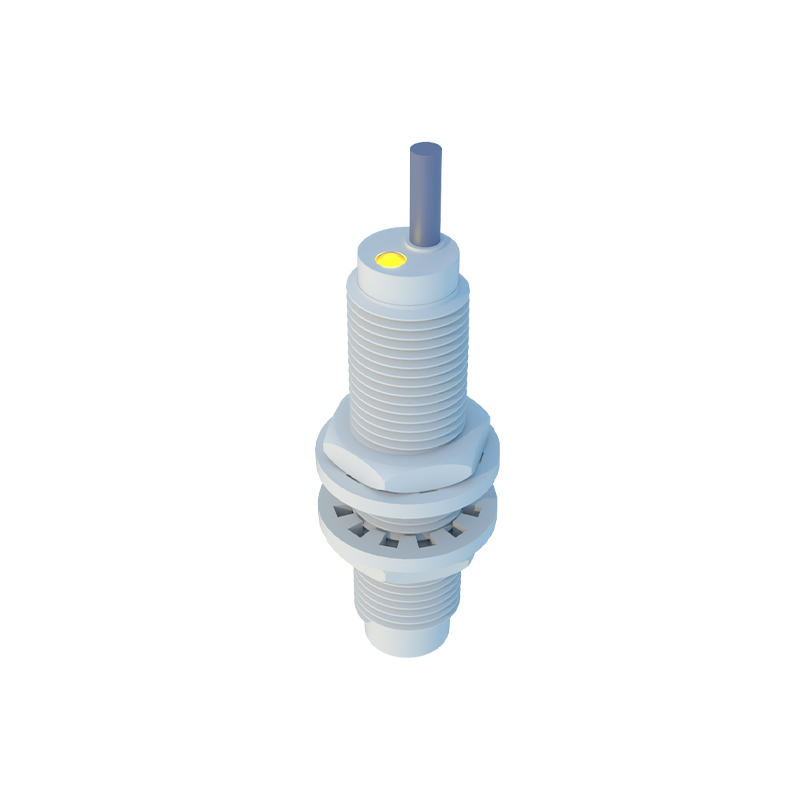
Applications of metal proximity switches are vast. In industrial automation, they are used for position sensing, object counting, and end-of-travel detection in conveyor systems. For safety, they can serve as interlock switches on machine guards, ensuring equipment stops when a door is opened. In automotive systems, they monitor wheel speed for anti-lock braking systems (ABS) or detect gear positions. Consumer electronics, like smartphones and laptops, also use miniature versions for lid-closure detection or accessory recognition.
When selecting a metal proximity sensor, consider factors like sensing range, output type (e.g., NPN, PNP, or analog), housing material (often stainless steel or plastic), and environmental ratings (IP67 for water resistance). Installation is straightforward, but proper alignment and avoiding metal interference from nearby objects are crucial for accurate operation. Regular testing with target metals ensures consistent performance.
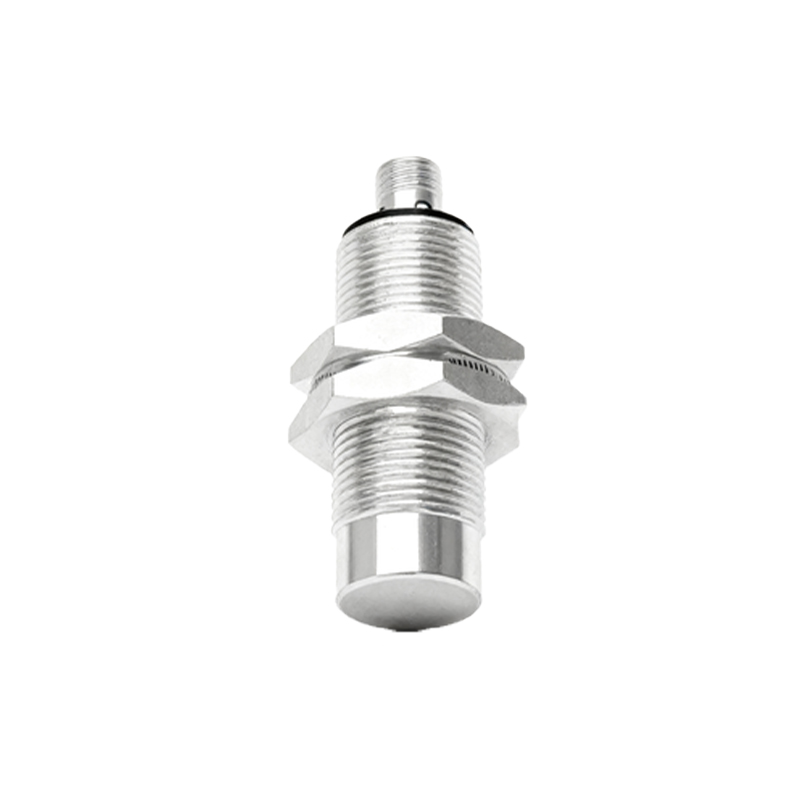
In summary, metal proximity sensor switches offer a non-contact, robust solution for detection tasks across industries. Their ability to operate reliably under tough conditions while providing precise feedback makes them indispensable in today's automated world. As technology advances, we can expect smarter sensors with integrated connectivity for IoT applications, further expanding their utility.