Understanding the Basics of Cylinder Sensors
In industrial automation, cylinder sensors are essential components used to detect the position of pneumatic or hydraulic cylinder pistons. These sensors monitor the linear movement of pistons within cylinders, providing critical feedback for control systems. Typically, they are mounted on the cylinder body and activate when the piston reaches a specific point, signaling its position to programmable logic controllers (PLCs) or other automation devices. This functionality ensures precise operation in machinery, such as in assembly lines, packaging equipment, and robotic systems. Cylinder sensors come in various types, including magnetic, inductive, and capacitive sensors, each suited to different environmental conditions and applications. Their primary role is to enhance safety and efficiency by confirming piston locations, preventing malfunctions, and enabling automated sequences.
Exploring Proximity Switches in Industrial Applications
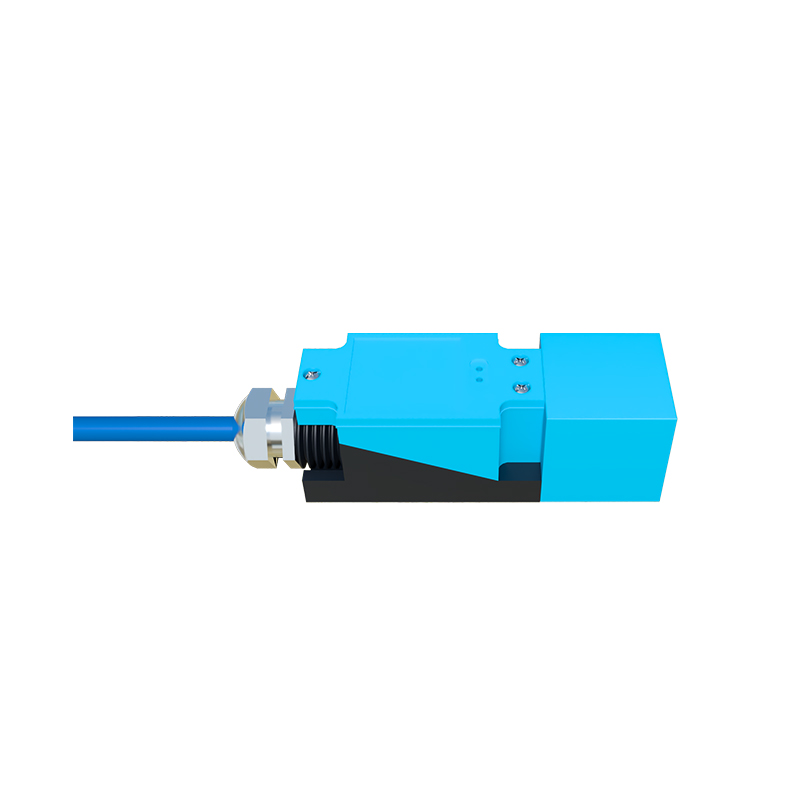
Proximity switches, also known as proximity sensors, are non-contact devices that detect the presence or absence of objects within a defined range. They operate based on principles like electromagnetic fields, capacitance, or infrared light, making them ideal for applications where physical contact is undesirable. Common in manufacturing, these switches are used for object detection, counting, and position sensing in conveyors, machine tools, and safety systems. Unlike mechanical switches, proximity switches offer durability and high-speed response, as they have no moving parts. They are categorized into inductive, capacitive, ultrasonic, and photoelectric types, each with specific advantages for detecting metals, liquids, or other materials. Their versatility allows for reliable performance in harsh environments with dust, moisture, or vibration.
Comparing Cylinder Sensors and Proximity Switches
While cylinder sensors and proximity switches share similarities in detecting objects, they serve distinct purposes. A cylinder sensor is specifically designed for monitoring piston positions within cylinders, often using magnetic fields to sense a magnet embedded in the piston. In contrast, a proximity switch is a broader category of sensors that can detect various objects, not limited to cylinder components. For example, an inductive proximity switch might detect metal parts on a conveyor, while a cylinder sensor focuses on internal cylinder movement. Technically, many cylinder sensors utilize proximity sensing technology, such as magnetic proximity principles, but they are optimized for cylinder integration. Thus, a cylinder sensor can be considered a specialized type of proximity switch, tailored for pneumatic or hydraulic systems, whereas general proximity switches have wider industrial uses.
Key Differences in Functionality and Design
The functionality of cylinder sensors and proximity switches differs in application and design. Cylinder sensors are typically compact and built to withstand high pressures, temperatures, and vibrations common in cylinder operations. They often feature standardized mounting options, like slot or thread designs, for easy installation on cylinders. Proximity switches, however, come in diverse shapes and sizes, with sensing ranges adjustable for various distances. They may include features like LED indicators or adjustable sensitivity, catering to flexible industrial setups. In terms of output, both devices commonly provide digital signals (e.g., PNP or NPN), but cylinder sensors are integrated into cylinder systems for direct feedback, while proximity switches are used for general-purpose detection. This distinction highlights how cylinder sensors are a subset of proximity switches, with specialized engineering for motion control.
Applications in Automation and Control Systems
In automation, cylinder sensors are crucial for precise cylinder control, enabling functions like end-position detection or mid-stroke stopping. They ensure cylinders operate correctly in sequences, such as in clamping or lifting mechanisms, reducing downtime and errors. Proximity switches, on the other hand, are employed in broader scenarios, like detecting product presence on lines, monitoring door positions, or triggering safety interlocks. For instance, in a manufacturing plant, cylinder sensors might manage robotic arms, while proximity switches oversee conveyor belt operations. Both devices contribute to system reliability, but cylinder sensors offer targeted solutions for fluid power systems, whereas proximity switches provide versatile detection across multiple industries, including automotive, food processing, and electronics.
Choosing the Right Sensor for Your Needs
Selecting between a cylinder sensor and a proximity switch depends on the specific application requirements. If the goal is to monitor piston movement within a cylinder, a cylinder sensor is the optimal choice due to its specialized design and compatibility with cylinder environments. Factors to consider include the cylinder type (pneumatic or hydraulic), operating conditions (temperature, pressure), and required sensing range. For general object detection without cylinder integration, a proximity switch offers more flexibility, with options based on material type, sensing distance, and environmental resistance. Engineers should evaluate technical specifications, such as output signals, voltage ratings, and IP protection levels, to ensure reliable performance. In summary, while cylinder sensors are a form of proximity switch, their application-focused design makes them