Introduction to Baoting Photoelectric Sensors
In the competitive landscape of industrial automation, selecting reliable and high-performance components is paramount. Baoting photoelectric sensors have emerged as a notable option for engineers and system integrators. These sensors operate on the fundamental principle of detecting the presence, absence, or distance of an object by using a light transmitter, typically an LED, and a photoelectric receiver. The core question for professionals is not just about their existence, but about their performance metrics, durability, and suitability for demanding environments. This review delves into the technical specifications, common models, and application scenarios to provide a clear, unbiased assessment of Baoting photoelectric sensors.
Core Technologies and Working Modes
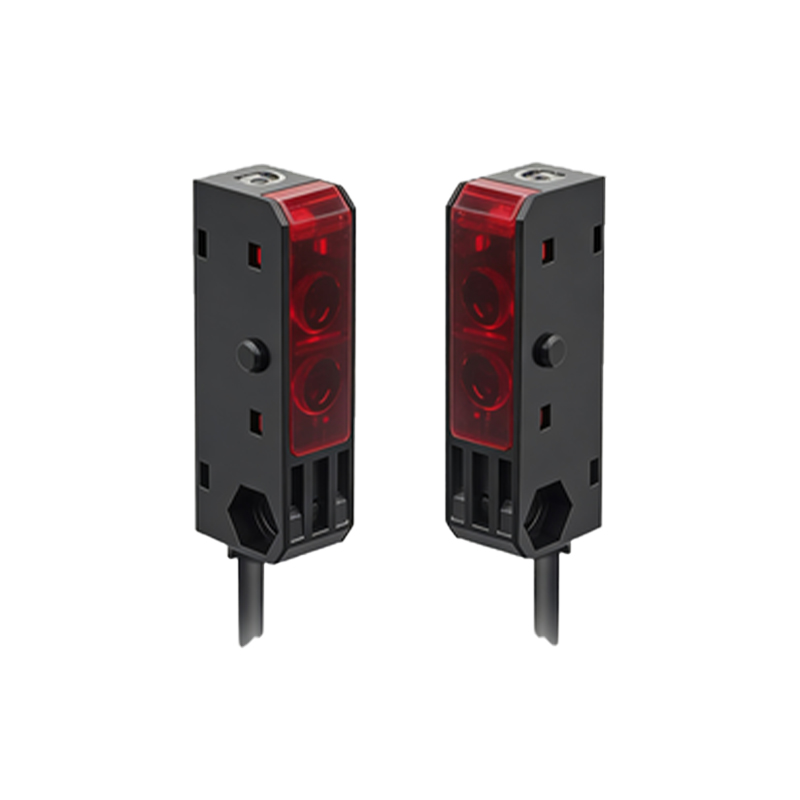
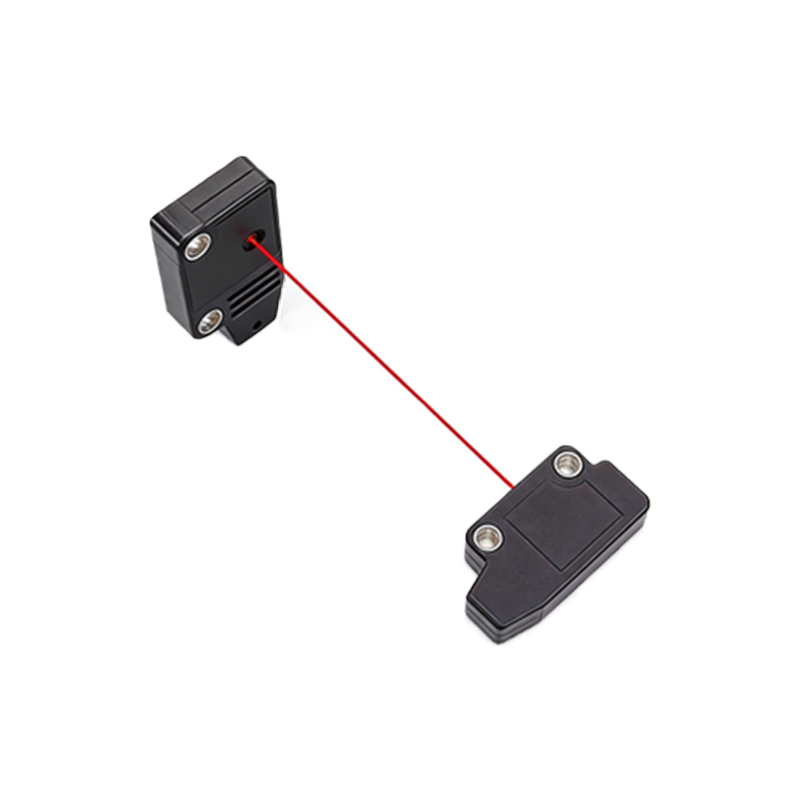
Baoting photoelectric sensors are available in several standard operational modes, each suited for specific tasks. The through-beam (or opposed) mode features separate transmitter and receiver units. This configuration offers the longest sensing range and highest reliability, as it requires the light beam to be completely broken. The retro-reflective mode utilizes a single unit and a reflector, making installation easier while maintaining a good sensing distance. Finally, the diffuse (or proximity) mode relies on light reflected directly from the target object. Baoting sensors in this category often incorporate background suppression or fixed-field technology, which enhances their ability to detect objects at a precise distance while ignoring surfaces further away. The choice of mode directly impacts factors like sensing range, environmental resistance, and setup complexity.
Key Performance Specifications and Build Quality
Evaluating the datasheets of typical Baoting sensors reveals a focus on robust industrial specifications. Sensing ranges vary significantly by model, with through-beam types often reaching up to 15 meters or more, while diffuse sensors might offer ranges from a few centimeters to several meters. A critical parameter is the response time, which is typically in the millisecond range, ensuring they can keep pace with high-speed production lines. The housing is usually constructed from nickel-plated brass or industrial-grade plastics like PBT, offering IP67 or IP68 protection against dust and water ingress. This build quality suggests a design philosophy aimed at withstanding common industrial hazards such as washdowns, oil mist, and mechanical vibration.
Application Suitability and Industry Use Cases
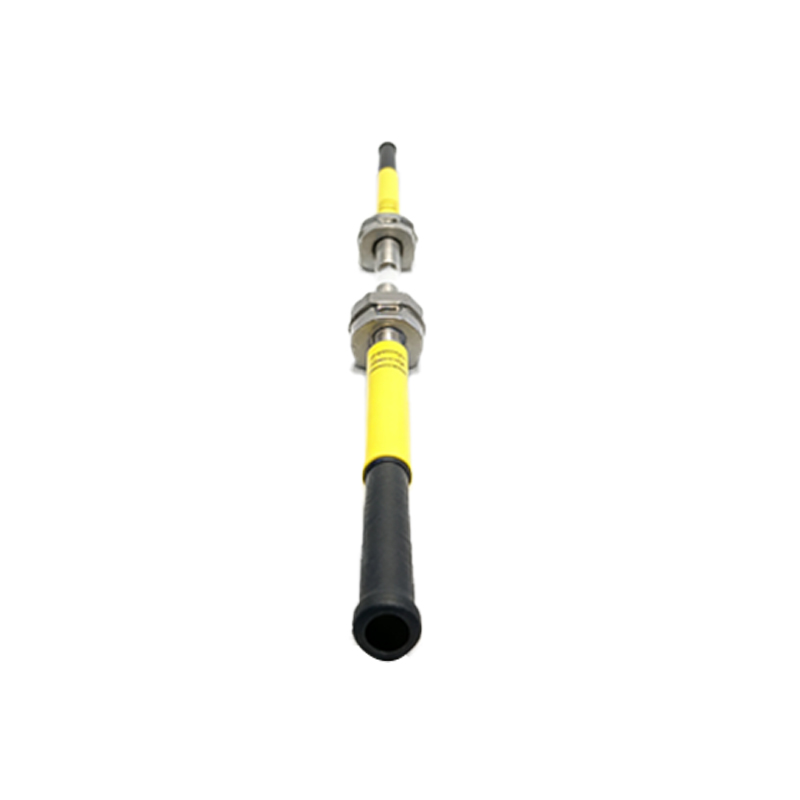
The true test of any sensor is its performance in real-world applications. Baoting photoelectric sensors find extensive use in material handling systems for object detection on conveyor belts, package counting, and height verification. In packaging machinery, they are employed for label detection, fill-level control, and verifying the presence of products in containers. Their robust housing makes them suitable for harsh environments like automotive assembly plants or food and beverage processing, where reliability is non-negotiable. However, for applications requiring extreme precision (e.g., micron-level positioning) or specialized light types (e.g., UV or laser for very small objects), engineers might still lean towards niche, high-end brands.
Comparative Analysis: Strengths and Considerations
The primary strength of Baoting photoelectric sensors lies in their cost-effectiveness and solid general performance. They provide a reliable solution for standard detection tasks without the premium price tag of some European or Japanese market leaders. The availability of various output types (NPN/PNP, NO/NC) and connection methods (pre-wired cables or quick-disconnect) adds to their flexibility. A point for consideration is the operating temperature range, which is generally standard (-25°C to 70°C), but might be a limiting factor for extreme thermal applications. Furthermore, while documentation is available, the depth of technical support and application engineering resources may vary by region and distributor compared to global giants in the sensor industry.
Installation Tips and Maintenance Best Practices
Proper installation is crucial for optimal sensor performance. Ensure the sensor is securely mounted to minimize vibration. Alignment is critical for through-beam and retro-reflective types; using a laser alignment tool can save significant time. For diffuse sensors, be mindful of the target object's color, material, and surface finish, as these affect reflectivity. Adjust the sensitivity potentiometer carefully to avoid false triggers from background objects or environmental light. Regular maintenance involves cleaning the lens with a soft cloth to prevent buildup of dust, grease, or condensation, which can attenuate the light signal and cause failure.
Conclusion and Final Verdict
Baoting photoelectric sensors represent a competent and value-oriented choice for a wide array of industrial automation tasks. They are built to endure tough conditions and offer the essential functionalities required for reliable object detection. For standard applications in logistics, packaging, and general manufacturing, they perform admirably and can contribute to a cost-efficient system design. Engineers tasked with highly specialized, mission-critical, or extreme-environment applications should conduct thorough on-site testing. Ultimately, Baoting sensors stand as a strong contender in the market, proving that reliable photoelectric sensing does not always necessitate the highest investment.