Introduction to Sensing Technologies
In the realm of industrial automation, sensors are the fundamental components that bridge the physical and digital worlds. They provide the critical data necessary for control systems to make intelligent decisions, ensuring efficiency, safety, and precision. Among the vast array of sensor types, photoelectric sensors and proximity sensors stand out as two of the most widely used and versatile technologies. While their end goal—object detection—is similar, their underlying principles of operation, capabilities, and ideal applications differ significantly. This guide delves into the technical intricacies of both, providing a clear comparison to aid engineers and technicians in selecting the optimal sensor for their specific industrial needs.
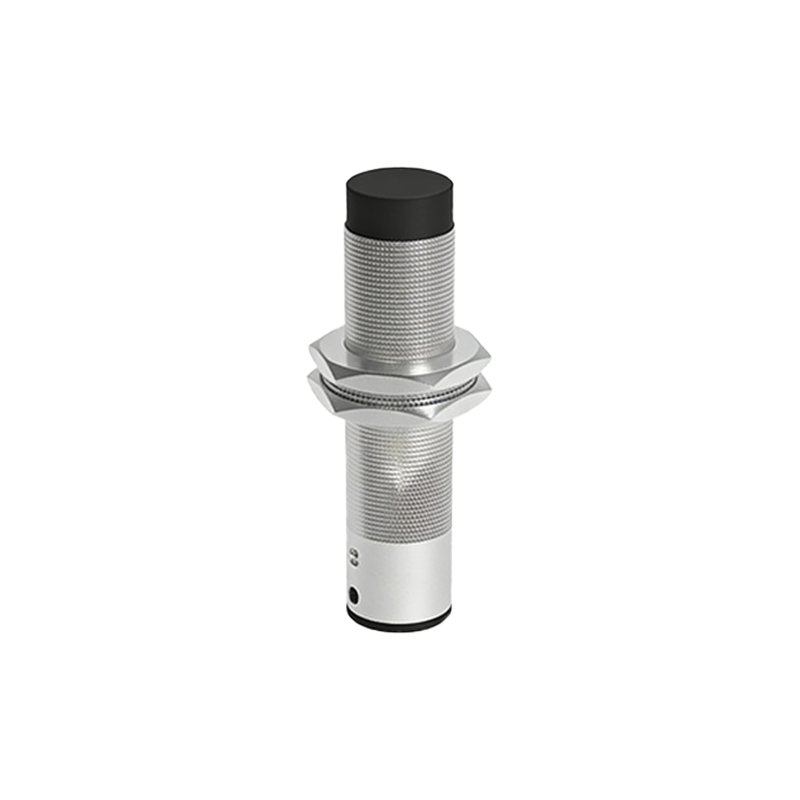
Fundamental Operating Principles
The core distinction lies in their detection methods. A photoelectric sensor operates by emitting a beam of light, typically from an LED or laser diode, and detecting changes in the received light. This detection can be achieved through three primary modes: through-beam, retro-reflective, and diffuse reflective. In through-beam mode, the emitter and receiver are separate units; an object is detected when it interrupts the light beam. Retro-reflective mode uses a single unit that emits light towards a reflector; detection occurs when the reflected beam is blocked. Diffuse reflective mode relies on the target object itself to reflect light back to the receiver within the same housing.
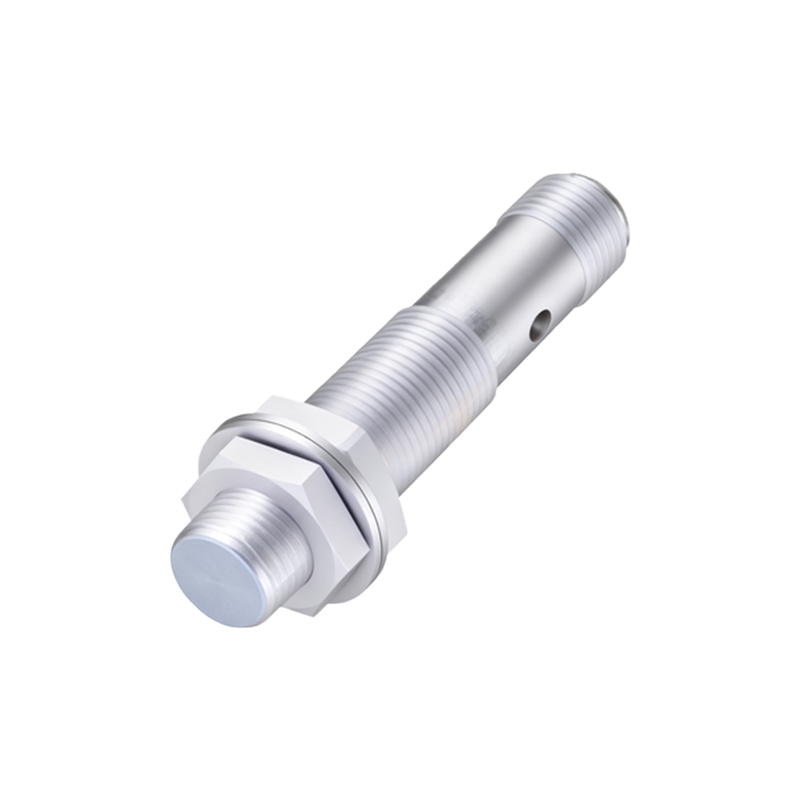
In contrast, a proximity sensor detects the presence of a nearby object without any physical contact, typically through electromagnetic fields. The most common type is the inductive proximity sensor, which generates an oscillating electromagnetic field. When a metallic object enters this field, it induces eddy currents, causing a change in the oscillation amplitude that is detected by the sensor's circuitry. Capacitive proximity sensors work on a similar principle but can detect both metallic and non-metallic materials by sensing changes in capacitance.
Key Performance Characteristics and Specifications
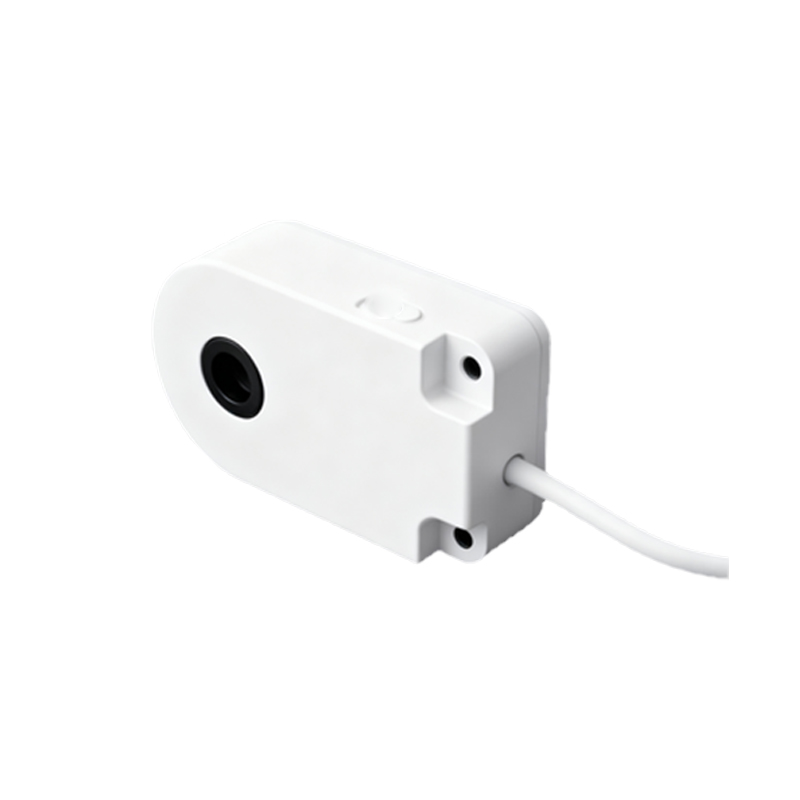
Understanding the specifications is crucial for proper selection. For photoelectric sensors, the sensing range is a primary factor, varying from a few centimeters in diffuse mode to over 100 meters in through-beam configurations. They offer high precision and can detect very small objects. Their performance is highly dependent on the target's surface properties (color, reflectivity) and environmental conditions like dust, fog, or ambient light, which may require specialized housings or light sources.
Proximity sensors, particularly inductive ones, have a much shorter and fixed sensing range, typically from 1mm to 60mm. They are largely immune to environmental factors like dust, dirt, and moisture, making them exceptionally robust for harsh industrial environments. Their detection is independent of surface color or texture but is strictly limited to conductive materials for inductive types. Response speed for both sensor types is generally very high, suitable for high-speed counting or positioning applications.
Typical Industrial Applications and Use Cases
The application often dictates the choice. Photoelectric sensors excel in scenarios requiring long-range detection or where the target is non-metallic. Common applications include object counting on high-speed conveyor belts, detecting transparent bottles or films in packaging lines, edge guiding in web processing, and level detection in silos using through-beam sensors. Their versatility in sensing different materials is a key advantage.
Proximity sensors are the workhorses of metal detection in machinery. They are indispensable for position sensing of machine parts (like cylinder pistons), end-of-travel limits, and detecting the presence of metal components in assembly jigs. In dirty or oily environments—common in metal stamping, CNC machining, or automotive assembly—inductive proximity sensors provide reliable, maintenance-free operation. Capacitive sensors find niche roles in detecting levels of liquids, grains, or plastics.
Advantages and Limitations Summary
Photoelectric sensors offer long range, versatility in target material, and the ability to detect small objects. Their main limitations are susceptibility to environmental interference and potential complexity in alignment for through-beam setups. Proximity sensors, especially inductive ones, provide extreme robustness, reliability in harsh conditions, and simple installation. Their significant limitations are the short sensing distance and material restrictions (conductive metals only for inductive types).
Selection Criteria and Best Practices
Selecting the right sensor involves a systematic evaluation. First, define the target material: metal objects lean towards inductive proximity sensors, while non-metallics necessitate photoelectric or capacitive sensors. Second, consider the required sensing distance. Third, assess the operating environment for factors like dust, washdown requirements, or electrical noise. Fourth, determine the necessary output type (PNP/NPN, analog, IO-Link). Finally, consider mechanical constraints like housing size (cylindrical or rectangular) and mounting requirements. Always consult manufacturer datasheets for precise specifications and environmental ratings.
Conclusion and Future Outlook
Both phot