Introduction to Photoelectric Sensors
Photoelectric sensors have become indispensable components in modern industrial automation, serving as the eyes of countless systems. These devices operate by emitting a light beam, typically from an LED or laser diode, and detecting changes in the received light intensity caused by the presence, absence, or distance of a target object. The core principle relies on the photoelectric effect, where light energy is converted into an electrical signal. Domestic manufacturers have made significant strides in mastering this technology, producing sensors that rival international counterparts in reliability and precision. The evolution from basic through-beam sensors to sophisticated background suppression and color recognition models marks a journey of substantial technological maturation within the domestic sector. This progress is underpinned by advancements in optoelectronics, integrated circuit design, and robust housing materials suitable for harsh industrial environments.
Core Technologies and Domestic Innovation
The heart of a photoelectric sensor lies in its emitter, receiver, and processing circuitry. Domestic producers have excelled in developing high-efficiency, long-life LED light sources across various wavelengths, including visible red, infrared, and specialized blue or green LEDs for specific applications. A key area of innovation is in the receiver technology, particularly with the adoption of advanced CMOS and photodiode arrays. These allow for smarter sensors with features like precise background suppression, which can reliably detect an object regardless of its color or reflectivity against a complex background. Furthermore, domestic R&D has focused on enhancing signal processing algorithms embedded in microcontrollers. This enables functions such as teach-in programming for easy setup, high-speed response for fast-moving production lines, and exceptional noise immunity to ensure stable operation amidst electrical interference common in factory settings.
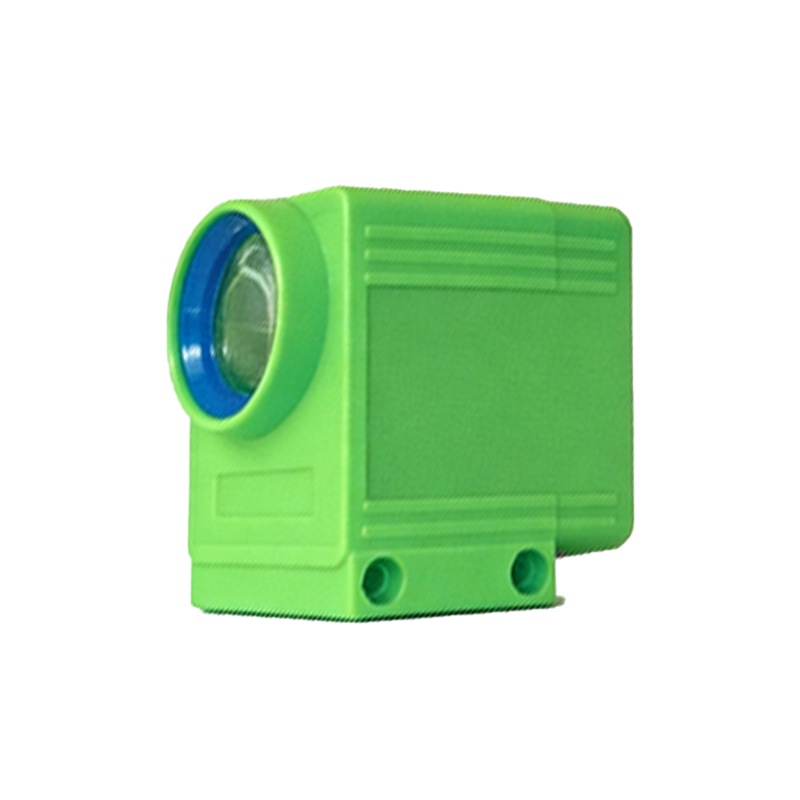
Diverse Types and Their Specific Uses
The domestic market offers a comprehensive range of photoelectric sensor types, each tailored for specific operational challenges. Through-beam sensors, consisting of separate emitter and receiver units, provide the longest sensing ranges and highest reliability for detection tasks. Retro-reflective sensors, which use a reflector, offer easier alignment for medium-range applications. Diffuse or proximity sensors, where the emitter and receiver are in the same housing, are ideal for detecting objects at close range without a separate reflector. Notably, domestic manufacturers have made great progress in specialized variants. Background suppression sensors use triangulation to measure distance, ignoring objects beyond a set point. Color sensors differentiate between colors or contrasts, and luminescence sensors detect materials invisible to standard sensors. This diversity ensures a domestic solution exists for nearly every industrial sensing need, from packaging and material handling to automotive assembly and electronics manufacturing.
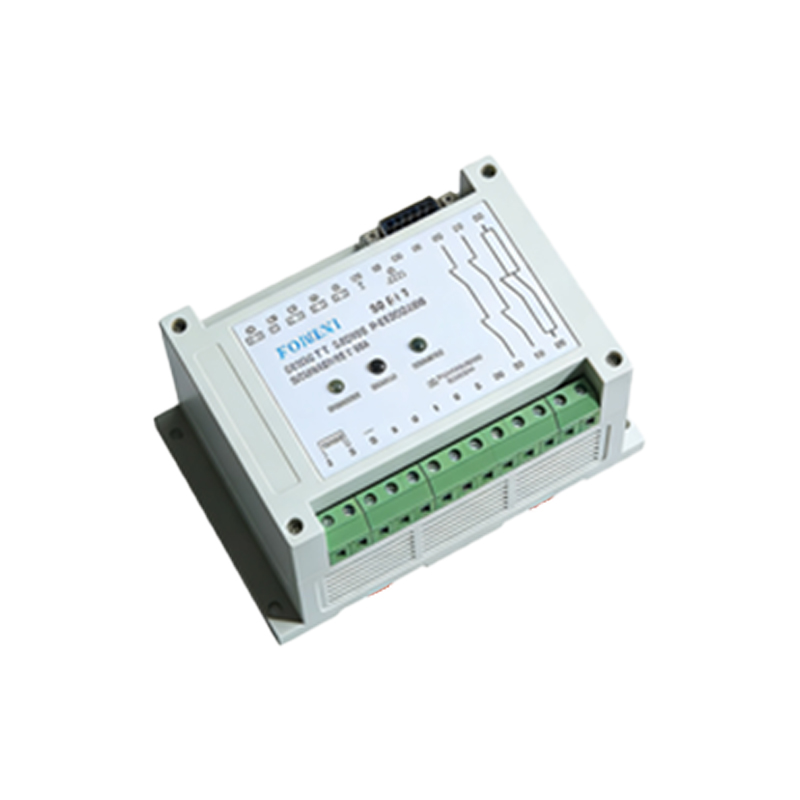
Performance Characteristics and Reliability
Modern domestic photoelectric sensors are engineered for exceptional performance. Sensing ranges have expanded considerably, with some laser-based models capable of detecting objects several hundred meters away. Response times are now in the microsecond range, crucial for high-speed bottling or packaging machinery. A significant focus has been on environmental robustness. Sensors are built with IP67, IP68, or even IP69K ratings, making them resistant to dust, water jets, and high-pressure washdowns. They are designed to withstand significant temperature fluctuations, vibration, and shock. Electrical protection against short-circuits, reverse polarity, and voltage spikes is standard. This relentless pursuit of durability means domestic sensors consistently deliver high uptime and reduced maintenance costs, which are critical metrics for end-users in cost-sensitive and demanding production environments.
Integration with Industry 4.0 and Smart Systems
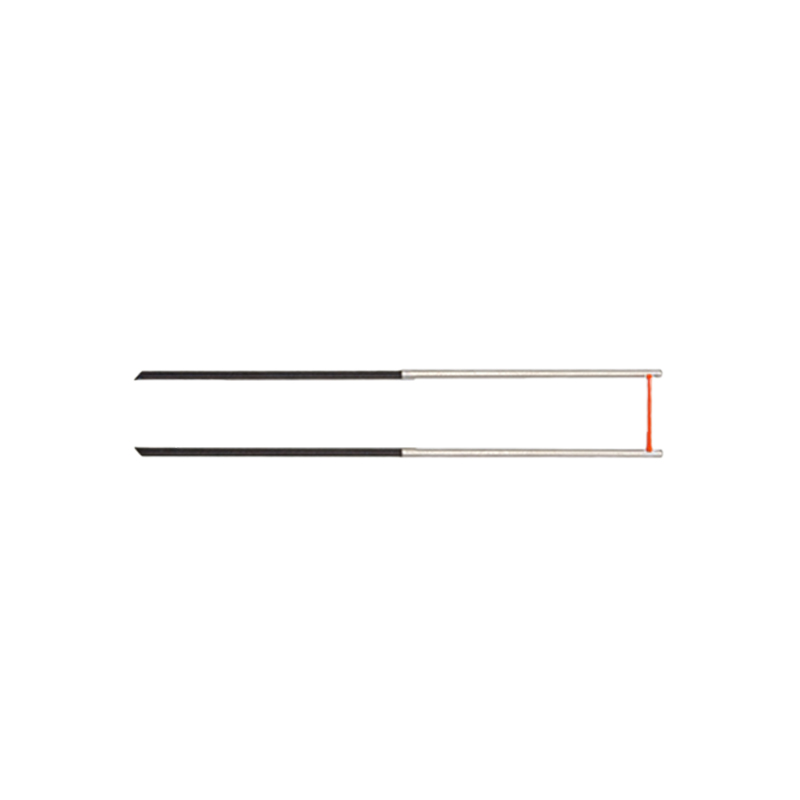
Alignment with Industry 4.0 is a defining feature of the latest generation of domestic photoelectric sensors. They are no longer simple binary switches but intelligent nodes in a networked ecosystem. Many models now come equipped with IO-Link communication, a point-to-point serial protocol that allows for bidirectional data exchange. Through IO-Link, parameters can be set remotely, diagnostic data (like lens contamination levels or temperature warnings) can be read, and process values (such as measured distance) can be transmitted. This facilitates predictive maintenance, centralized configuration management, and seamless integration into PLCs and broader SCADA systems. Furthermore, sensors with analog outputs or PWM signals provide continuous measurement data for precise positioning and control tasks, enabling more flexible and adaptive automated systems.
Application Scenarios Across Industries
The application breadth of domestic photoelectric sensors is vast. In logistics and warehousing, they count boxes on conveyors, detect the position of parcels for sorting robots, and ensure pallets are correctly aligned. Within the automotive industry, they verify the presence of components on assembly lines, control robotic welding arms, and inspect paint quality. Food and beverage producers rely on them for bottle cap detection, fill level control, and label verification. In electronics manufacturing, these sensors perform precise PCB positioning, component insertion checks, and wafer handling. Their non-contact nature makes them perfect for handling delicate, hot, or sterile items. The adaptability and cost-effectiveness of domestic sensors have been instrumental in automating small and medium-sized enterprises, driving productivity gains across the entire industrial landscape.
Future Trends and Development Outlook
The future trajectory for domestic photoelectric sensors points towards greater intelligence, miniaturization, and specialization. Integration of AI chips at the edge will enable sensors to perform basic pattern recognition and decision-making locally, reducing latency and network load. Miniaturization efforts will yield sensors small enough for increasingly compact machinery and collaborative robots (cobots). There is also a growing emphasis on developing sensors for extreme conditions, such as ultra-high temperatures in metal processing or cryogenic environments. Furthermore, the push for sustainability is driving the creation of sensors with lower power consumption and longer service life, contributing to greener industrial operations. As domestic supply chains strengthen and innovation continues, these sensors are poised to become even more critical enablers of global advanced manufacturing.