Introduction to Ring Metal Proximity Sensors
In the realm of industrial automation, precision and reliability are paramount. Among the various sensing technologies available, ring metal proximity sensors stand out for their specialized capability to detect metallic objects without physical contact. BOJKE, a prominent name in the sensor manufacturing industry, has engineered a series of high-performance ring metal proximity switches designed to meet the rigorous demands of modern production lines. These sensors are essentially donut-shaped devices that generate an electromagnetic field. When a metal object passes through the ring's center, it disrupts this field, triggering a switch signal. This non-contact detection method is ideal for applications involving fast-moving parts, such as in assembly, packaging, and material handling systems, where durability and accuracy are critical.
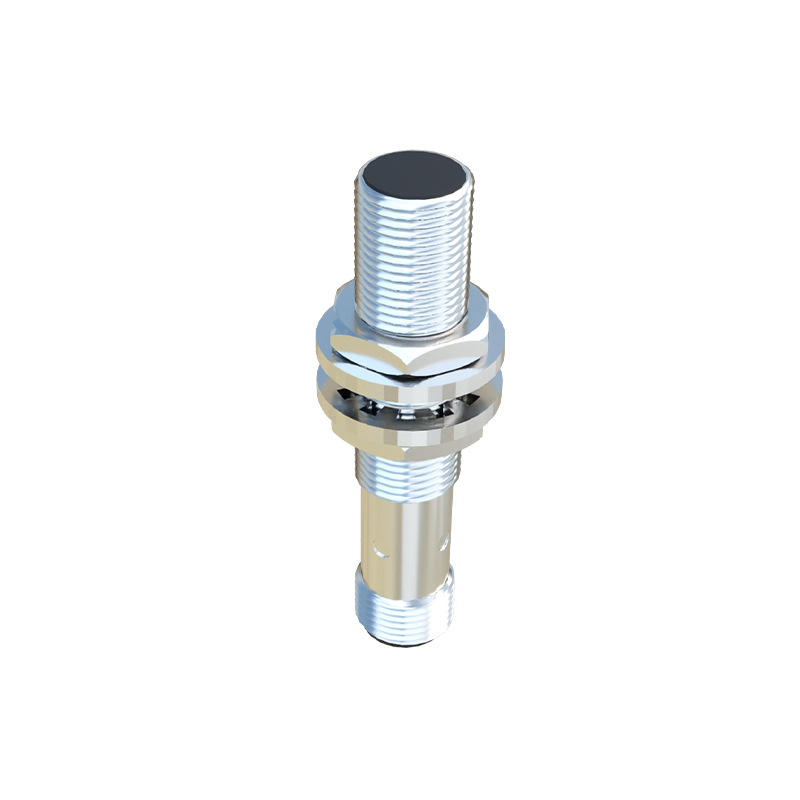
Core Working Principle and Technology
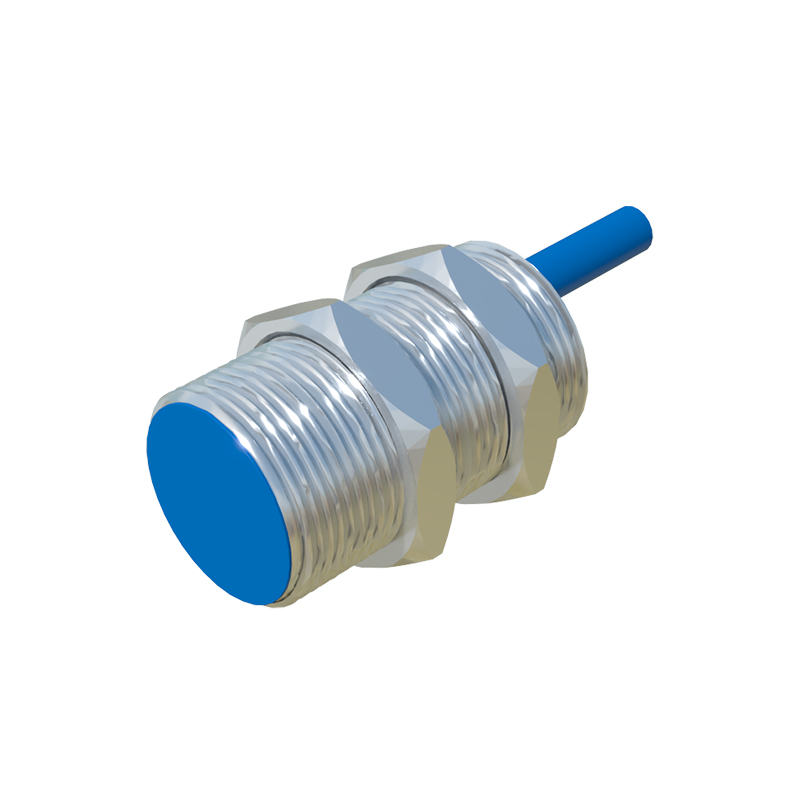
BOJKE ring metal sensors operate on the inductive sensing principle. Inside the sensor ring, an oscillator generates a high-frequency electromagnetic field. In the absence of a metallic target, the field remains stable. However, when a ferrous or non-ferrous metal object enters the detection zone within the ring, eddy currents are induced on the metal surface. This causes a change in the oscillation amplitude, which is detected by the sensor's circuitry. Subsequently, the sensor outputs a digital signal, typically as a PNP or NPN transistor switch, to control connected machinery like PLCs, relays, or actuators. BOJKE models often feature advanced shielding to minimize interference from adjacent metals, ensuring stable performance even in crowded electrical environments.
Key Features and Technical Specifications
BOJKE proximity switches boast several distinctive features. They offer high switching frequencies, enabling detection of small, rapidly moving objects such as screws, nuts, or metal tags on conveyor belts. The sensors are constructed with robust materials like stainless steel or nickel-plated brass, providing IP67 or higher ingress protection against dust, oil, and coolants. Many variants come with adjustable sensitivity, allowing fine-tuning for different metal types and sizes. Typical specifications include a detection range tailored to the inner diameter of the ring, supply voltages ranging from 10-30V DC, and short-circuit protection. LED indicators for operational status are common, facilitating easy installation and troubleshooting.
Primary Industrial Applications
These ring sensors are indispensable across numerous sectors. In automotive manufacturing, they verify the presence of metal components like pistons or bearings on assembly lines. In packaging, they count metal lids or cans, ensuring correct fill levels. The food and beverage industry utilizes them to detect metal contaminants, enhancing safety. Additionally, in electronics, they monitor the passage of circuit boards or metal connectors. BOJKE sensors are particularly valued in high-speed sorting systems and robotic arms where precise timing and repeatability are essential, reducing downtime and improving overall efficiency.
Installation and Maintenance Best Practices
Proper installation is crucial for optimal performance. The ring sensor should be mounted securely, aligning its center with the path of the target object. Adequate clearance from surrounding metal structures is necessary to prevent false triggers. Wiring must follow manufacturer guidelines, using shielded cables in electrically noisy environments. Regular maintenance involves cleaning the sensor face to remove debris and checking for physical damage. BOJKE sensors are designed for longevity, but periodic verification of output signals with a multimeter or oscilloscope can preempt failures. Keeping environmental factors like temperature and humidity within specified limits also extends service life.
Advantages Over Alternative Sensor Types
Compared to photoelectric or capacitive sensors, BOJKE ring metal proximity switches offer distinct benefits. They are immune to ambient light, transparent materials, or color variations, making them highly reliable for metal detection. Their rugged build withstands harsh conditions, including vibration and mechanical shock. The through-beam design allows detection of objects passing completely through the ring, which is more efficient for counting or sorting than side-sensing methods. Moreover, their fast response time and high accuracy reduce errors in high-velocity applications, providing a cost-effective solution for quality control.
Future Trends and Innovations
As Industry 4.0 advances, BOJKE is integrating smart features into its ring sensors. Future models may include IO-Link communication for real-time data exchange, enabling predictive maintenance and seamless integration with IoT platforms. Enhancements in miniaturization will allow for smaller ring diameters to detect tiny components in compact machinery. Improved materials and coatings will boost resistance to extreme temperatures and corrosive chemicals. These innovations will further solidify the role of ring metal proximity sensors in automated systems, driving productivity and innovation in manufacturing worldwide.
SEO描述