Introduction to Daylight Photoelectric Sensors
Daylight photoelectric sensors are specialized devices designed to detect the presence or absence of natural light, distinguishing it from artificial light sources. These sensors are integral components in modern automation and energy management systems, enabling intelligent control of lighting, blinds, HVAC systems, and security applications. Unlike standard photoelectric sensors that may react to any light source, daylight sensors are engineered with spectral sensitivity and logic tailored to the specific characteristics of sunlight. Their primary function is to provide a control signal based on ambient light levels, facilitating energy savings and enhancing occupant comfort by harnessing natural illumination effectively. The demand for such sensors has grown significantly with the global push towards sustainable building practices and smart infrastructure.
Core Components and Sensing Elements
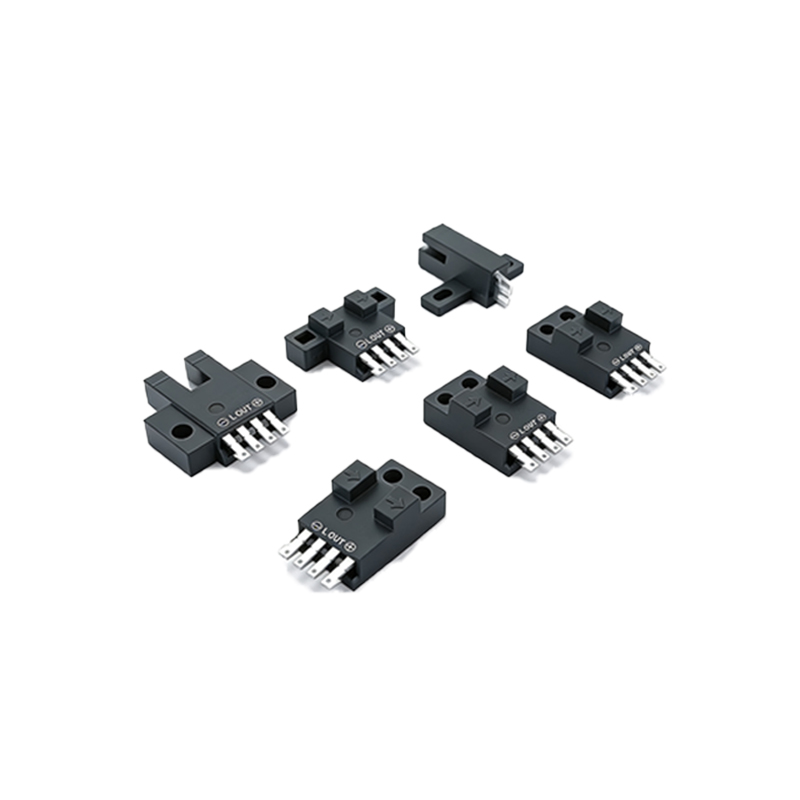
The fundamental building block of a daylight photoelectric sensor is the photodetector. The most common type used is a photodiode or a phototransistor. These semiconductor devices generate a small electrical current when exposed to light; the intensity of this photocurrent is proportional to the intensity of the incident light. To tailor the sensor for daylight detection, optical filters are crucial. These filters, often integrated into the sensor's lens or housing, selectively transmit light within the spectral range of natural sunlight (approximately 400 to 700 nanometers for visible light) while attenuating light from common artificial sources like incandescent or fluorescent lamps. Some advanced sensors also incorporate multiple photodetectors with different filters to perform spectral analysis, allowing them to more accurately differentiate between daylight and electric light based on color temperature or specific spectral signatures.
Working Principle: From Light to Signal
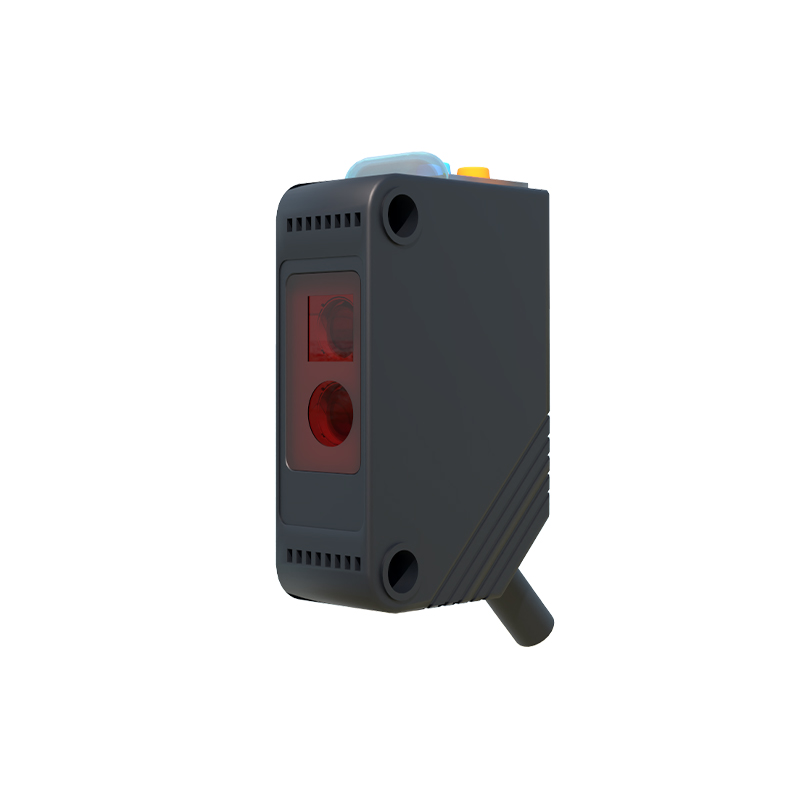
The operational principle involves a multi-stage conversion process. First, ambient light, a combination of daylight and artificial light, passes through the optical filter. The filtered light strikes the active area of the photodetector. The photons from the light impart energy to the semiconductor material, freeing electrons and creating electron-hole pairs. This phenomenon, known as the photoelectric effect, results in a flow of electrical current. This minute analog photocurrent is then fed into a signal conditioning circuit. This circuit typically includes a transimpedance amplifier that converts the current into a measurable voltage signal. The voltage level is directly analogous to the intensity of the filtered ambient light. This raw signal represents the total filtered illuminance at the sensor's location.
Signal Processing and Daylight Discrimination
The raw voltage signal is processed by the sensor's internal microcontroller or dedicated logic circuitry. This is where the "daylight" discrimination occurs. The processor compares the incoming signal against pre-programmed threshold values or algorithms. Simple sensors might use a single threshold: if the signal exceeds "X" volts, it is considered "daylight present." More sophisticated models employ dynamic algorithms. They may track light levels over time to distinguish the slow, predictable changes characteristic of daylight (e.g., sunrise, sunset, cloud movement) from the abrupt changes typical of switched artificial lights. Some systems use a two-sensor approach: one sensor measures total light, and a second, shielded sensor measures only artificial light contribution, allowing the system to calculate the daylight component by subtraction.
Output Types and Integration
After processing, the sensor generates an output signal to interface with control systems. Common output types include analog and digital signals. An analog output (e.g., 0-10V DC or 4-20mA) provides a continuous signal proportional to the detected daylight illuminance, allowing for dimming or proportional control of systems. A digital output (e.g., a relay contact or transistor) provides a simple ON/OFF signal based on whether the light level is above or below a setpoint, useful for switching blinds or turning banks of lights on/off. Modern sensors often feature communication protocols like DALI (Digital Addressable Lighting Interface), BACnet, or Modbus, enabling them to be nodes in a larger building automation network, reporting data and receiving configuration updates.
Key Application Areas
The primary application is daylight harvesting in commercial and institutional buildings. Here, sensors provide feedback to lighting control systems to dim or switch off electric lights when sufficient natural light is available, leading to substantial energy savings. They are also used for automatic control of motorized window blinds or louvers to manage glare and solar heat gain, contributing to occupant comfort and reduced cooling loads. In security and surveillance, daylight sensors can trigger different camera modes (e.g., switching from color to infrared mode at dusk) or activate outdoor lighting. Furthermore, they are used in agricultural automation for greenhouse environment control and in research for meteorological data collection.
Installation and Calibration Considerations
Proper installation is critical for optimal performance. Sensors must be positioned to receive a representative sample of the daylight conditions for the controlled space, typically mounted on the ceiling or roof, and oriented to avoid direct sunlight that could cause false high readings. Calibration involves setting the sensitivity threshold or configuring the control algorithm for the specific environment. This often requires setting a "light level setpoint" – the desired illuminance level (e.g., 500 lux) at the work plane that the system will strive to maintain by adjusting electric light output. Factors like surface reflectivity, window size, and orientation must be accounted for during commissioning to ensure the sensor accurately reflects the true daylight availability in the occupied zone.
Conclusion and Future Trends
Daylight photoelectric sensors are sophisticated devices that translate the qualitative presence of sunlight into a quantitative, actionable electronic signal through a combination of optics, semiconductor physics, and intelligent signal processing. Their role in reducing energy consumption and creating responsive, human-centric environments is well-established. Future trends point towards increased integration with IoT platforms, the use of multi-spectral sensing for even finer environmental discrimination, and the development of smaller, more cost-effective units that incorporate machine learning algorithms to self-adapt to building usage patterns and further optimize performance over time.