In the world of industrial automation, robotics, and smart devices, the ability to detect the presence or absence of an object without physical contact is fundamental. Among the various technologies enabling this capability, Hall Effect proximity sensors stand out for their reliability, durability, and versatility. Unlike optical or capacitive sensors, they operate based on a fundamental electromagnetic principle, making them immune to many environmental factors that plague other sensor types.
The core principle behind a Hall Effect sensor is the Hall Effect, discovered by Edwin Hall in 1879. When a current-carrying conductor or semiconductor is placed in a perpendicular magnetic field, a voltage difference, known as the Hall voltage, is generated across the material. This voltage is proportional to the strength of the magnetic field. A Hall Effect proximity sensor leverages this phenomenon. It typically consists of a Hall element (the sensing chip), a magnet, and signal conditioning electronics. When a ferromagnetic target (like a steel gear tooth) or a permanent magnet approaches the sensor, it disturbs or alters the magnetic field at the Hall element. This change in field strength causes a measurable change in the Hall voltage, which the onboard circuitry processes to trigger a switch or provide an analog output signal.
There are several key types of Hall Effect sensors used for proximity detection. The most common is the digital or switch-type sensor. It provides a simple ON/OFF output, typically activating when the magnetic flux density exceeds a certain threshold. These are ideal for counting, limit switching, and speed detection applications, such as sensing the rotation of a motor shaft or the position of a door. Analog output Hall sensors provide a continuous voltage output proportional to the magnetic field strength, allowing for precise distance or position measurement within a limited range. A more advanced variant is the latch-type Hall sensor, which switches on with a south pole and remains on until a north pole is presented, making it perfect for bidirectional motor commutation.
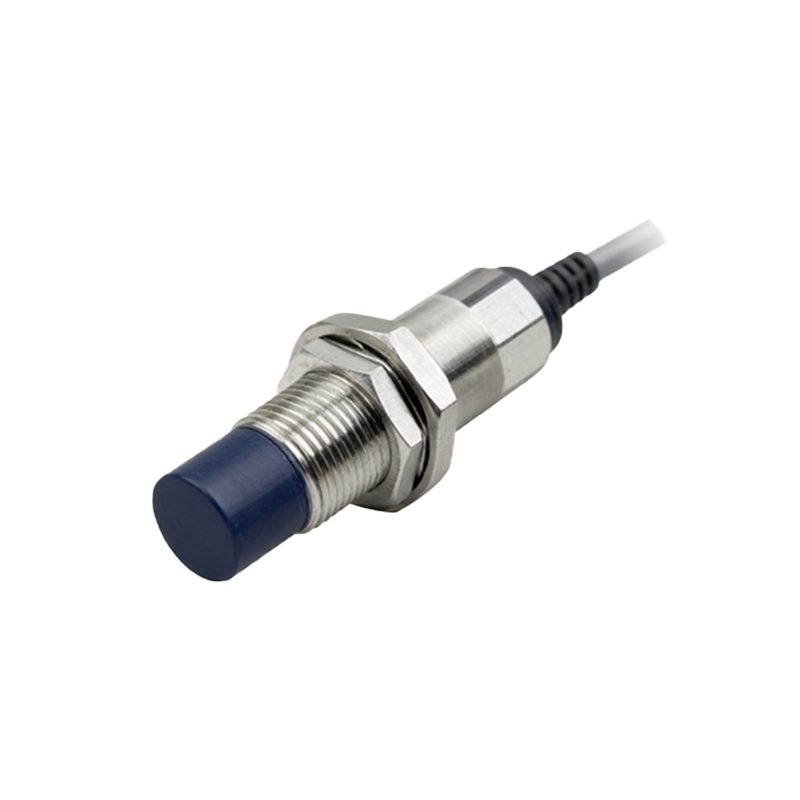
The advantages of choosing a Hall Effect proximity sensor are numerous. They are inherently solid-state devices with no moving parts, leading to exceptionally long life and high reliability even in high-cycle applications. They are completely sealed, offering high immunity to contaminants like dust, oil, moisture, and vibrations. Since they detect magnetic fields, they can operate effectively in dirty, wet, or harsh environments where optical sensors would fail. They are also capable of high-speed operation, detecting targets at frequencies well into the kilohertz range. Furthermore, their output is consistent and repeatable, unaffected by the color or surface finish of the target object, as long as it is ferromagnetic.
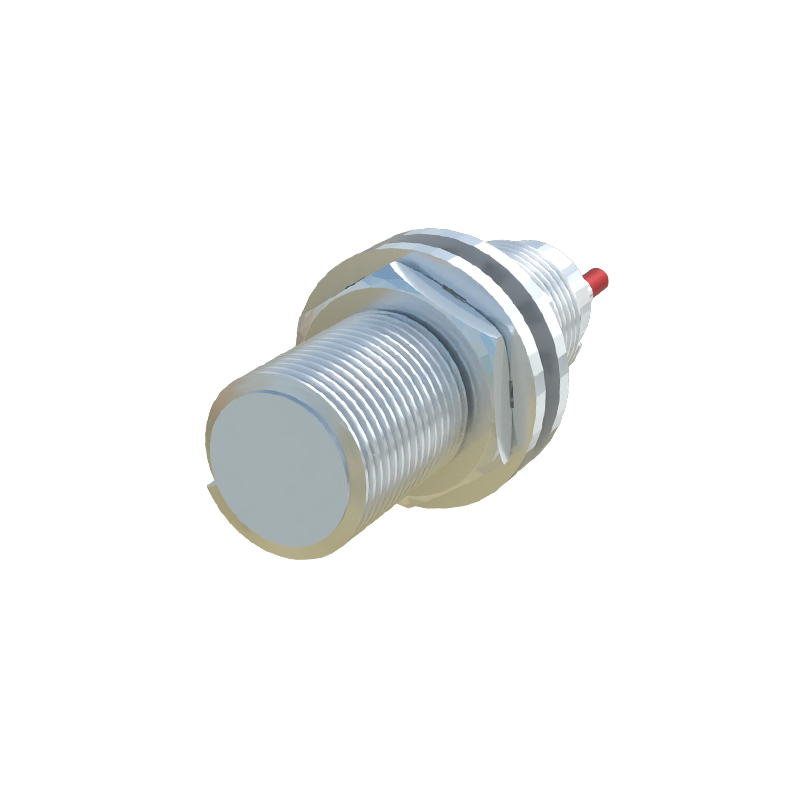
These characteristics make Hall Effect proximity sensors indispensable across a wide spectrum of industries. In the automotive sector, they are used for wheel speed sensing in anti-lock braking systems (ABS), crankshaft and camshaft position sensing, and detecting gearbox selector positions. In industrial manufacturing, they are deployed on conveyor lines for object detection, in CNC machines for tool positioning, and for monitoring the speed and position of rotating machinery. Consumer electronics utilize miniature Hall sensors for detecting flip or slide phone covers, and in joysticks for gaming controllers. They are also critical in modern brushless DC (BLDC) motors, providing the essential feedback for electronic commutation.
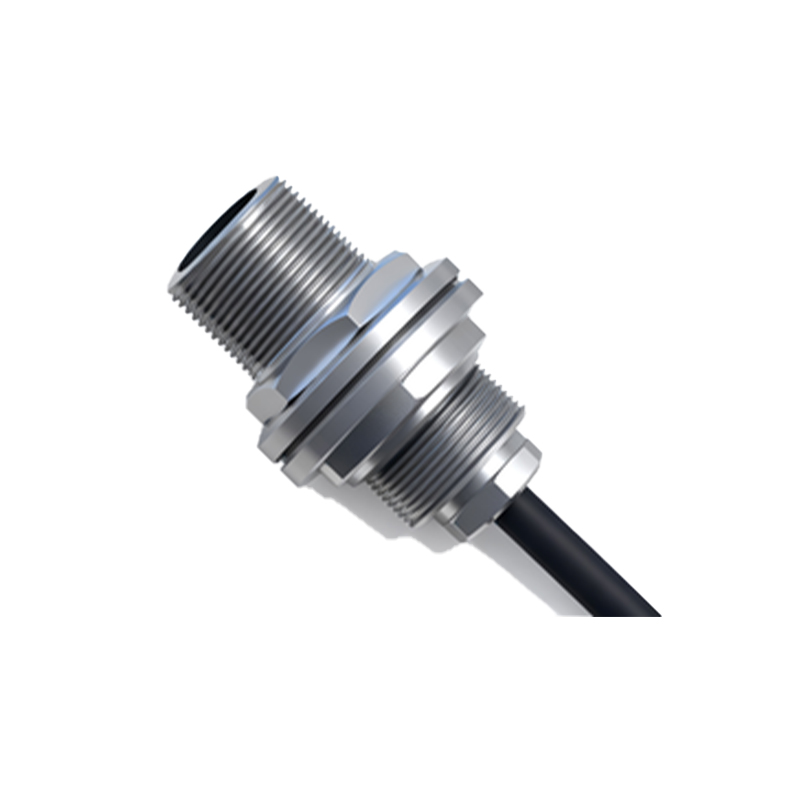
Selecting the right Hall Effect proximity sensor requires careful consideration of several parameters. First, define the sensing distance required, noting that the effective range is typically shorter than inductive proximity sensors and is highly dependent on the target material and magnet strength. The output type (digital PNP/NPN, analog, push-pull) must be compatible with the control system (PLC, microcontroller). The supply voltage range and current consumption are vital for the electrical design. Environmental ratings, particularly the Ingress Protection (IP) code for dust and water resistance, are crucial for harsh installations. Finally, the physical package size and mounting style (threaded barrel, rectangular block, surface-mount) must suit the mechanical constraints of the application.
When installing these sensors, proper alignment with the target is essential for consistent performance. For gear-tooth sensing, the air gap must be maintained within specifications. Shielding from strong external magnetic fields or large currents is sometimes necessary to prevent false triggering. While incredibly robust, their main limitation is that they primarily detect ferrous metals or magnets; they are generally not suitable for detecting non-ferrous materials like aluminum, brass, or plastics unless a magnet is attached to the target.
In conclusion, Hall Effect proximity sensors offer a unique blend of contactless sensing, environmental robustness, and high-speed performance. By converting magnetic field changes into actionable electrical signals, they provide a critical link between the physical movement of machinery and digital control systems. Understanding their operating principle, types, and key selection criteria empowers engineers and designers to implement reliable and efficient sensing solutions that enhance automation, improve safety, and enable smarter technological devices across countless fields.