Introduction to Hydraulic Support Systems
Hydraulic support systems are critical components in modern longwall mining, providing roof support and ensuring safe working conditions underground. These robust structures rely on precise control mechanisms to adapt to varying geological pressures and movements. At the heart of this control lies a network of sensors, with proximity sensors playing an indispensable role. These devices enable automated and responsive operation, minimizing human intervention in hazardous zones and enhancing overall system reliability. Their integration represents a significant advancement in mining technology, shifting from purely mechanical to intelligent, sensor-driven support systems.
What Are Proximity Sensors?
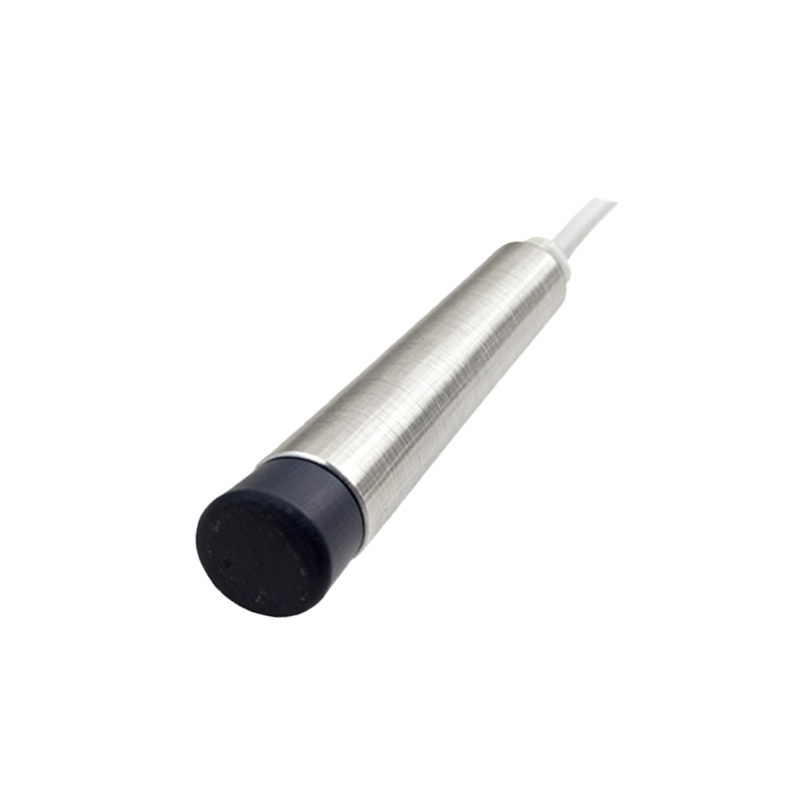
Proximity sensors are non-contact electronic devices designed to detect the presence or absence of nearby objects without physical contact. In hydraulic support applications, they typically operate on inductive, capacitive, or ultrasonic principles. Inductive sensors are most common, detecting metallic components like pistons or actuator parts. They generate an electromagnetic field and react to changes caused by metallic targets, providing a precise digital or analog signal. This capability allows for real-time monitoring of component position, movement, and alignment, which is crucial for the synchronized operation of multiple supports along a longwall face.
Core Functions in Hydraulic Supports
The primary function of proximity sensors in hydraulic supports is to monitor the position and extension of critical moving parts. They accurately detect the stroke of hydraulic cylinders, ensuring the canopy maintains optimal contact with the roof. Sensors signal when a cylinder reaches its maximum extension or retraction, preventing mechanical overtravel and potential damage. Furthermore, they monitor the alignment of adjacent supports, ensuring they advance uniformly during the shearing process. This precise positional feedback is fed into the system's Programmable Logic Controller (PLC), enabling automated sequencing of support advancement, lowering, and resetting in sync with the shearer's movement.
Enhancing Operational Safety
Safety is paramount in underground mining. Proximity sensors contribute significantly by creating a safer environment for personnel. They enable remote operation and automation, reducing the need for workers to be near active support units during movement cycles. Sensors can detect if a support is not fully set against the roof before the shearer passes, triggering an alarm or halting operations to prevent roof collapse risks. They also monitor for unexpected movements or failures, such as a sudden loss of pressure or unintended cylinder retraction, allowing for immediate system shutdown to protect both equipment and miners.
Boosting Efficiency and Productivity
Automation driven by proximity sensor data directly translates to higher productivity. By enabling continuous, synchronized advancement of supports, they minimize delays in the mining cycle. Accurate positioning data allows for optimal roof support density, reducing the likelihood of production halts due to roof control issues. Predictive maintenance is another key benefit; by monitoring cycle counts and movement patterns, sensors can alert operators to wear in cylinder seals or bushing before a catastrophic failure occurs, scheduling maintenance during planned downtime and avoiding unplanned production losses.
Integration with Control Systems
Modern hydraulic supports form an Internet of Things (IoT) node on the mine network. Proximity sensors are integral to this, providing the essential data that fuels the control algorithm. Their signals are processed by the local PLC on each support, which then communicates with the central face monitoring system. This integration allows for real-time visualization of every support's status on the surface control room screens. Operators can monitor alignment, pressure, and extension across the entire face, making data-driven decisions to optimize the cutting sequence and support setting pressure based on real-time geological feedback.
Challenges and Environmental Considerations
Deploying electronics in a mining environment presents significant challenges. Proximity sensors must be exceptionally rugged, housed in enclosures with high Ingress Protection (IP) ratings to withstand dust, moisture, and mechanical impact. They must operate reliably in extreme temperatures and resist corrosion from mine water. Electrical noise from high-power machinery like shearers and conveyors can interfere with sensor signals, necessitating robust shielding and filtering in the design. Manufacturers continually develop sensors with enhanced durability and diagnostic capabilities to meet these harsh demands.
Future Trends and Developments
The future of proximity sensing in hydraulic supports points toward greater intelligence and integration. The advent of smart sensors with embedded microprocessors allows for onboard diagnostics and condition monitoring, communicating not just a binary state but health metrics. Wireless sensor networks are being explored to reduce the extensive cabling required, improving reliability and ease of installation. Furthermore, the combination of proximity data with other sensor inputs (pressure, tilt, vibration) using advanced data analytics and machine learning will enable truly predictive and adaptive support systems, further pushing the boundaries of automation and safety in underground mining.