Introduction to Photoelectric Sensors
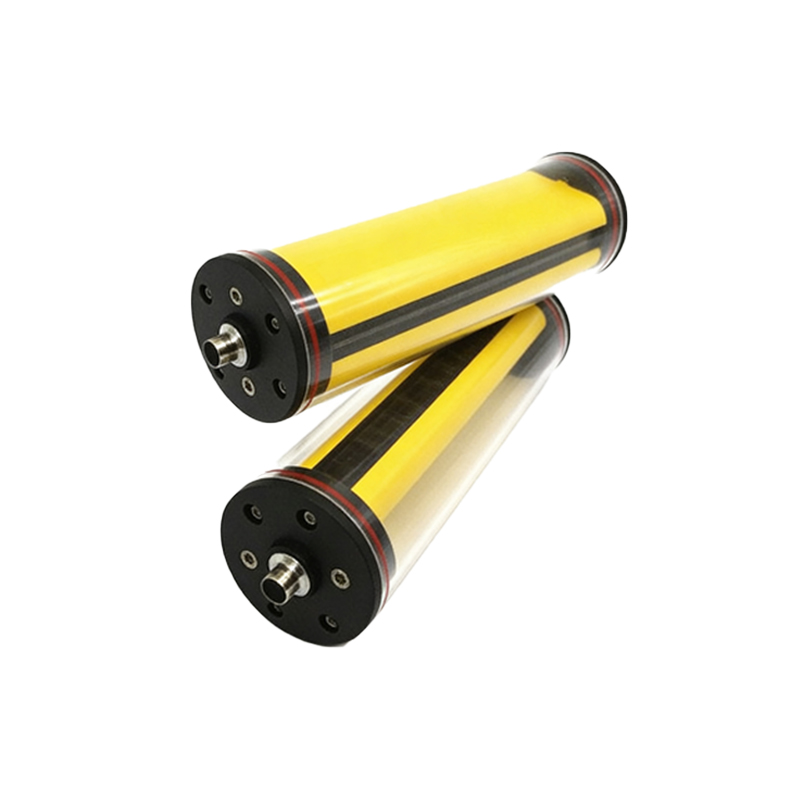
Photoelectric sensors are pivotal components in modern physical experiments, leveraging light to detect objects, measure distances, or monitor changes. These devices operate by emitting a light beam—often infrared, visible, or laser—and analyzing the reflected or interrupted signal. In laboratory settings, they enable precise, non-contact measurements, reducing interference with delicate systems. Common types include through-beam, retro-reflective, and diffuse sensors, each suited for specific experimental needs. Their reliability stems from fast response times and high accuracy, making them indispensable in fields like optics, mechanics, and automation. Understanding their basic principles is essential for effective application in research.
Key Characteristics and Performance Metrics
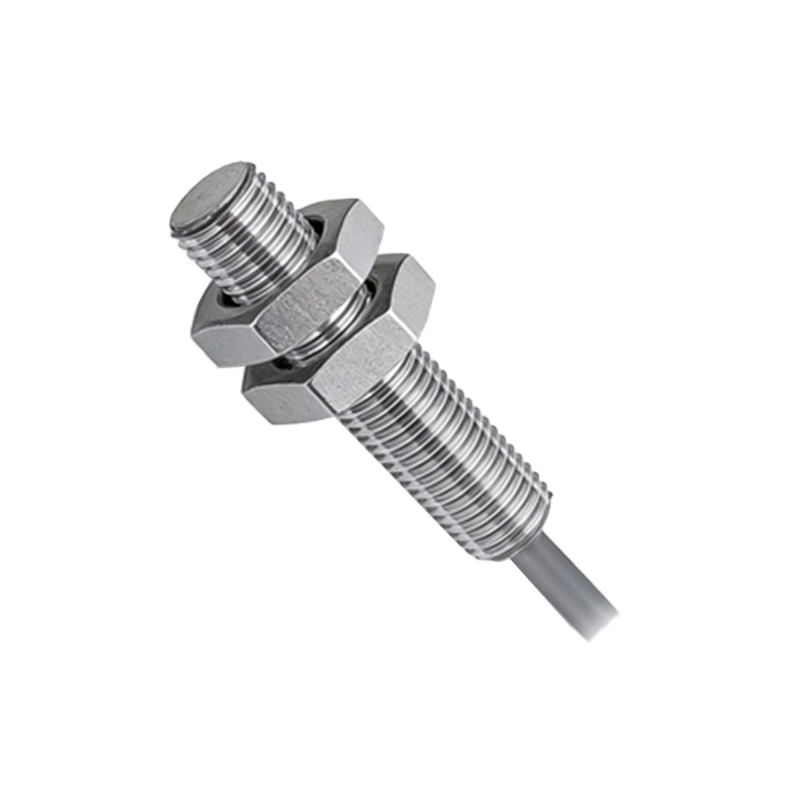
The performance of photoelectric sensors is defined by several critical characteristics. Sensitivity refers to the minimum light intensity required for detection, influenced by factors like wavelength and ambient conditions. Response time, typically in microseconds, determines how quickly the sensor reacts to changes, crucial for dynamic experiments. Linearity indicates the proportionality between input and output signals, affecting measurement consistency. Additionally, range and resolution define the sensor's operational limits and precision. Environmental factors such as temperature, humidity, and dust can impact these metrics, necessitating careful calibration. Engineers often evaluate these parameters to select sensors for specific experimental setups.
Applications in Physical Experiments
In physical experiments, photoelectric sensors serve diverse roles. For instance, in kinematics studies, they track moving objects to calculate velocity and acceleration with minimal error. Optical experiments utilize them to measure light intensity or detect beam interruptions, aiding in phenomena like diffraction or refraction analysis. In material science, sensors assess surface properties by analyzing reflected light patterns. Automated systems in laboratories rely on photoelectric sensors for positioning and safety, ensuring repeatable results. Case studies show their use in pendulum motion analysis or laser alignment, highlighting versatility. Proper integration enhances data accuracy and experimental efficiency.
Calibration and Optimization Techniques
Calibrating photoelectric sensors is vital for reliable outcomes. Start by aligning the emitter and receiver to avoid signal loss, using tools like alignment gauges. Adjust sensitivity settings to match experimental conditions, preventing false triggers from ambient light. Regular maintenance, such as cleaning lenses and checking connections, prolongs sensor life. Optimization involves selecting appropriate light sources—e.g., infrared for low interference or laser for high precision. Software algorithms can filter noise, improving signal-to-noise ratios. Document calibration steps to ensure reproducibility. In complex setups, iterative testing fine-tunes performance, aligning with experimental goals.
Common Challenges and Troubleshooting
Despite their advantages, photoelectric sensors face challenges in experiments. Ambient light interference can cause erratic readings, mitigated by using modulated light sources or shielding. Reflective surfaces may distort signals, requiring angle adjustments or polarized filters. Sensor drift over time, due to component aging, necessitates periodic recalibration. Connectivity issues, like loose wiring, disrupt data flow, so inspect hardware regularly. Troubleshooting steps include verifying power supply, testing with known objects, and consulting manufacturer guidelines. Proactive measures, such as environmental controls, reduce failures, ensuring consistent operation.
Future Trends and Innovations
Advancements in photoelectric sensor technology promise to revolutionize physical experiments. Miniaturization enables integration into micro-scale setups, while smart sensors with embedded AI adapt to real-time changes. Enhanced materials, like graphene-based detectors, improve sensitivity and durability. Wireless connectivity facilitates remote monitoring, expanding experimental possibilities. Research focuses on multi-spectral sensors for broader wavelength analysis, aiding in complex phenomena studies. As automation grows, sensors will become more autonomous, reducing manual intervention. Staying updated on these trends helps engineers leverage cutting-edge tools for innovative research.
Conclusion and Best Practices
Photoelectric sensors are essential for accurate, efficient physical experiments. Key practices include selecting sensors based on specific metrics, calibrating thoroughly, and addressing environmental factors. Regular maintenance and troubleshooting prevent downtime, while embracing innovations enhances capabilities. By mastering these aspects, engineers can optimize experimental outcomes, contributing to scientific progress. Always refer to technical datasheets and collaborate with peers for insights, ensuring robust sensor applications in diverse laboratory scenarios.