Understanding the Core Function: Physical Barrier Against Damage
Proximity sensors are the unsung heroes of modern industrial automation, providing critical non-contact detection of metallic or non-metallic objects. However, their sensing faces are highly vulnerable. Protection caps serve as a simple yet vital first line of defense. These caps, typically molded from durable plastics like PBT or polyamide, are designed to fit snugly over the sensor's active face. Their primary role is to act as a physical shield against direct impact, abrasion, and mechanical shock from passing objects, machinery parts, or accidental tool contact. In environments with flying debris or during machine assembly and maintenance, this barrier prevents costly damage to the sensitive sensing coil and epoxy-potted electronics, thereby avoiding unexpected downtime and replacement costs.
Mitigating Environmental Contaminants: Shielding from Dust, Chips, and Coolants
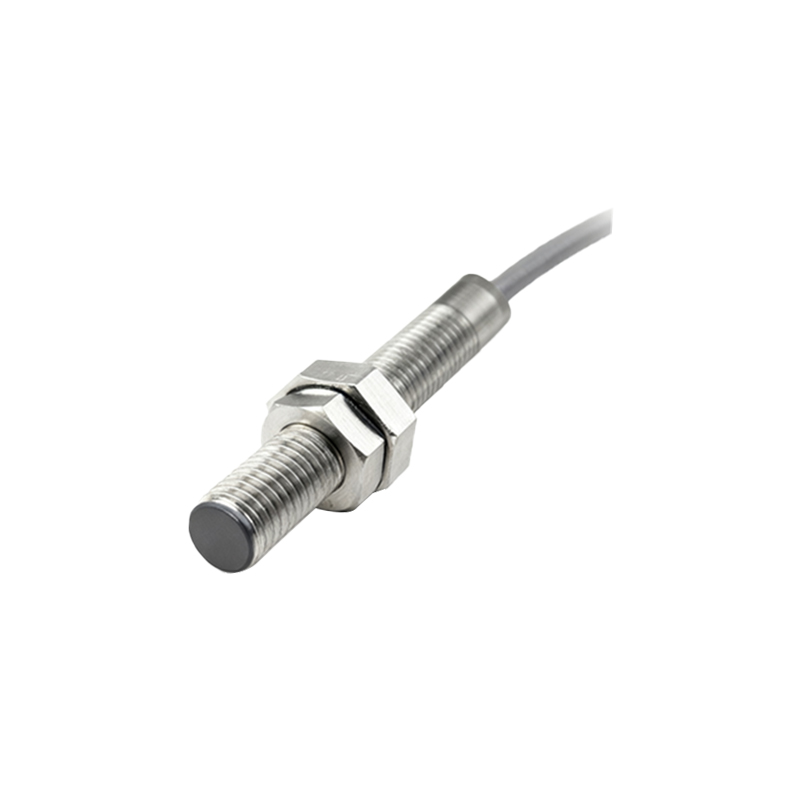
Industrial settings are notoriously harsh. Machining centers produce fine metallic dust and chips, while welding areas generate spatter. In food and beverage or pharmaceutical applications, sensors face frequent washdowns with corrosive chemicals. A protection cap creates a sealed barrier that prevents these particulates and liquids from accumulating on the sensor's face. Without this shield, metallic chips could adhere to the sensor, causing false triggering or damping the sensing field. Coolants and oils could seep into housing seams, degrading performance or causing internal short circuits. By keeping the sensing surface clean, the cap ensures consistent and reliable detection, maintaining process integrity.
The Critical Role in Sensing Performance and Calibration
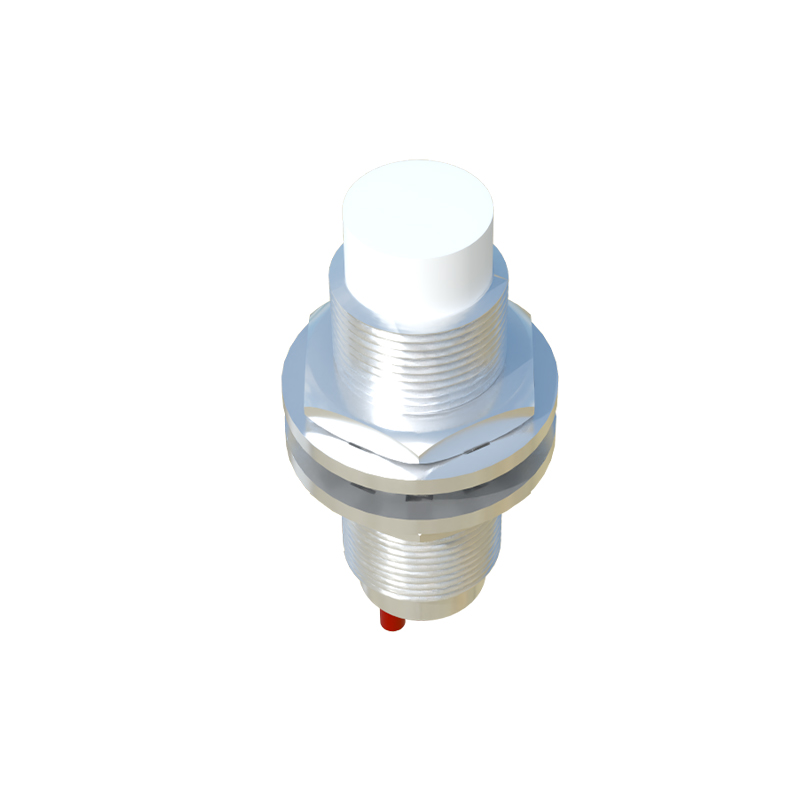
A common misconception is that any physical barrier will detrimentally affect a proximity sensor's performance. While it's true that the cap introduces a small "air gap," high-quality protection caps are engineered with this in mind. They are manufactured from materials with minimal dielectric constant and are precisely calibrated in thickness. For inductive sensors detecting metals, this results in a predictable and minor reduction in the nominal sensing distance, often accounted for in sensor selection. Crucially, the cap ensures that this reduction is consistent. Without a cap, variable buildup of grime would cause an unpredictable and drifting reduction in range, leading to unreliable machine operation. The cap provides a stable, known condition for sensing.
Material Science: Selecting the Right Cap for the Application
Not all protection caps are created equal. Material selection is paramount for optimal performance and longevity. For standard inductive sensors in dry environments, ABS or polyamide caps offer excellent impact resistance. In high-temperature applications near ovens or foundries, caps made from PEEK or PTFE can withstand continuous exposure up to 240°C and beyond. For aggressive chemical exposure, fluoropolymer materials provide superior resistance. In washdown zones, smooth-surface, FDA-approved silicone caps prevent bacterial growth. Furthermore, material color can be important; black caps offer better UV resistance for outdoor use, while bright colors like yellow enhance visibility for maintenance personnel.
Specialized Designs: Beyond Basic Protection
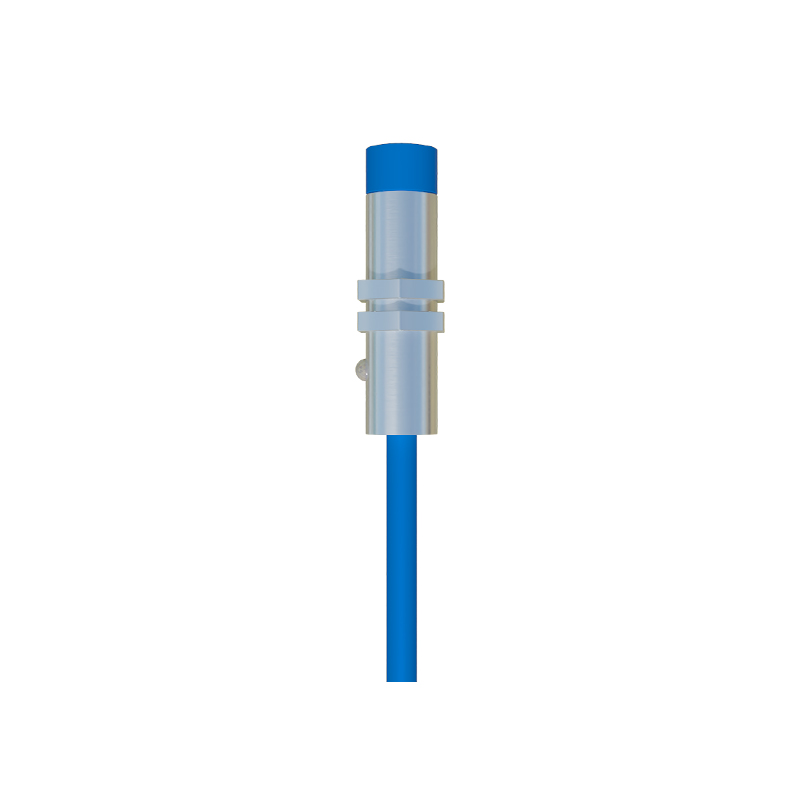
The functionality of protection caps has evolved into specialized designs addressing unique challenges. For instance, "flow-through" caps are used in pneumatic systems to protect sensors from oil mist while allowing air pressure to equalize. In welding applications, specially formulated silicone or copper caps are designed to resist adhesion of welding spatter; they are consumable items meant to be replaced periodically, saving the far more expensive sensor. Some caps incorporate fins or grooves to deflect chips and direct coolant flow away. For cylindrical sensors in tight spaces, low-profile or flanged caps prevent physical snagging and provide easier installation and removal with tools.
Economic Impact: Cost Savings and Return on Investment
Viewing protection caps as a mere accessory underestimates their economic value. The cost of a protection cap is typically a fraction of the sensor it protects. By extending the Mean Time Between Failures (MTBF) of the sensor, caps directly reduce spare parts inventory and frequency of purchase. More significantly, they prevent production losses associated with sensor failure. A single false detection from a contaminated sensor can stop an entire automated line, leading to massive throughput loss. The minor upfront investment in standardized caps for a facility's sensor portfolio pays dividends in enhanced system reliability, reduced maintenance labor, and uninterrupted production, delivering a substantial and rapid return on investment.
Installation and Maintenance Best Practices
To maximize benefits, correct installation and routine maintenance of protection caps are essential. The cap must be pressed on firmly until it seats completely against the sensor's housing shoulder to ensure a proper seal. It should be visually inspected during routine machine checks for signs of cracking, deep gouges, or material degradation. In dirty environments, establishing a periodic replacement schedule is wiser than waiting for failure. When replacing a cap, always clean the sensor's face gently before