Introduction to Photoelectric Sensor Fundamentals
Photoelectric sensors are indispensable components in modern industrial automation, playing a critical role in object detection, positioning, and quality control. At their core, these devices operate on a simple yet powerful principle: they emit a beam of light and detect changes in the received light signal caused by the presence or absence of a target object. This non-contact method of detection offers significant advantages over mechanical switches, including higher reliability, faster response times, and no physical wear on the sensor itself. The effectiveness and application suitability of a photoelectric sensor are directly determined by the quality and configuration of its internal components. From the light source to the receiver and the processing circuitry, each part must be precisely engineered to ensure accurate and stable performance in diverse, often harsh, industrial environments. Understanding these components is essential for selecting the right sensor, optimizing system performance, and performing effective troubleshooting.
Core Component: The Light Emitter
The light emitter is the origin point of the sensing process. Historically, incandescent bulbs were used, but modern sensors almost exclusively employ Light Emitting Diodes (LEDs) due to their longevity, compact size, and fast switching capabilities. The choice of LED wavelength is a primary design consideration. Common types include visible red LEDs, which are useful for easy alignment, and infrared (IR) LEDs, which are less susceptible to ambient light interference and are widely used for general-purpose sensing. For specialized applications requiring detection of very small objects or the use of polarized filters, red laser diodes provide a highly focused, intense beam. More advanced sensors may use blue or green LEDs for detecting specific materials or marks that have different reflectivity at those wavelengths. The emitter circuit typically includes a driver that modulates the light at a specific high frequency. This modulation allows the receiver to distinguish the sensor's own light signal from ambient background light, dramatically improving signal-to-noise ratio and operational reliability.
The Heart of Detection: The Photoreceiver
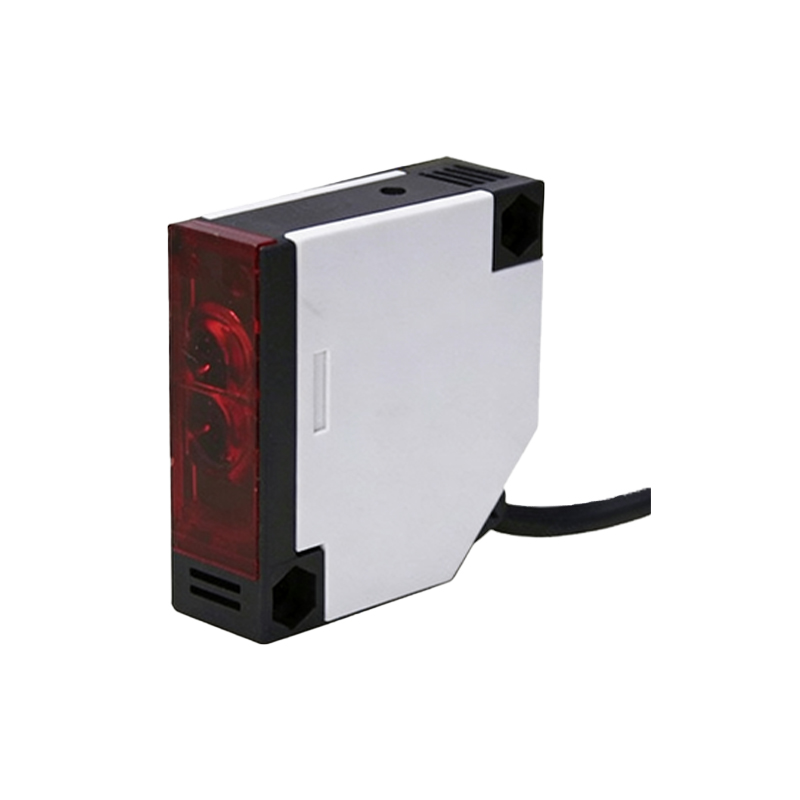
Positioned to receive the emitted light, either directly, via reflection from a target, or from a reflector, is the photoreceiver. This component converts the incoming light signal back into an electrical signal. The most common type is a phototransistor, valued for its good sensitivity and response speed. For applications requiring extremely high speed or precise analog measurement of light intensity, photodiodes are often employed. In some high-performance or long-range sensors, a specialized component called an Avalanche Photodiode (APD) may be used for its internal signal amplification. The receiver is always paired with a spectral filter matched to the emitter's wavelength (e.g., an IR filter for an IR LED) to block unwanted ambient light. In diffuse reflective sensors, the receiver and emitter are housed in the same unit, angled towards a common field of view. For opposed (through-beam) models, they are in separate housings facing each other.
Signal Processing and Output Circuitry
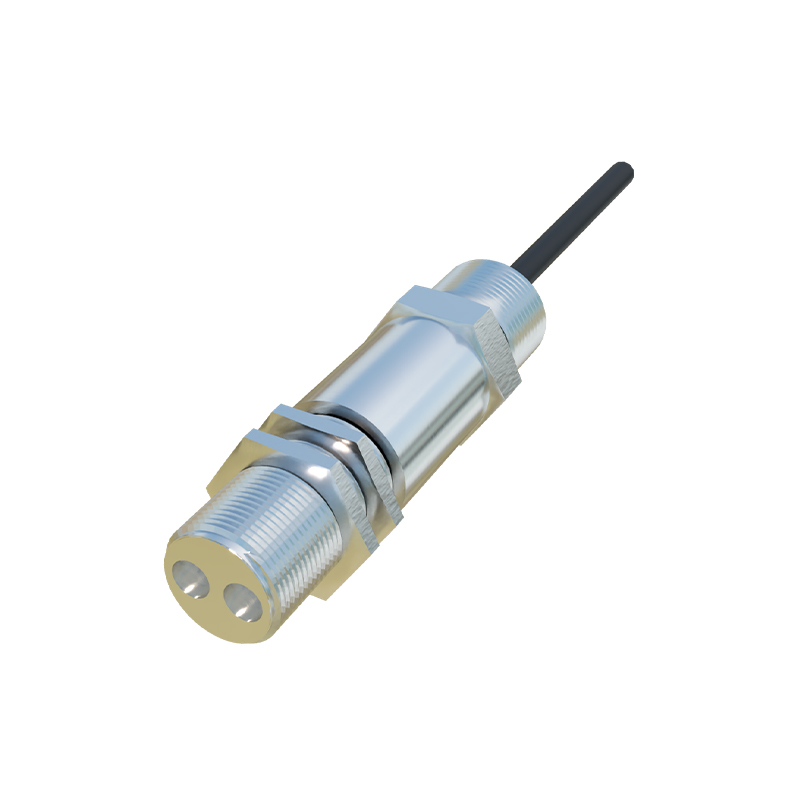
The weak electrical signal from the photoreceiver is fed into the sensor's internal processing circuitry. This stage is where the "intelligence" of the sensor resides. First, an amplifier boosts the signal. Then, a demodulator circuit, synchronized with the emitter's modulator, extracts only the modulated component of the signal, effectively filtering out DC ambient light and electrical noise. The processed signal is compared to a user-adjustable threshold level, often set via a potentiometer or teach-in button. If the received light intensity is above or below this threshold (depending on the sensing mode: light-on or dark-on), the output stage is triggered. The output component is typically a solid-state switch (PNP or NPN transistor) or a relay. Modern "smart" sensors integrate microcontrollers that enable advanced functions like programmable logic, timers, counters, and communication via IO-Link or other industrial protocols, providing diagnostic data and parameterization capabilities.
Optical Elements: Lenses and Housings
The optical path is shaped and protected by critical mechanical components. Lenses, made from acrylic or glass, are placed in front of both the emitter and receiver. The emitter lens collimates or focuses the light into a beam, defining the sensor's spot size and range. The receiver lens collects the returning light and directs it onto the sensitive area of the photoreceiver. The design of these lenses determines the sensor's sensing characteristics, such as creating a precise focal point for background suppression or a wide beam for large detection areas. The housing, usually constructed from rugged plastics like PBT or metals like stainless steel for harsh environments, protects the internal electronics from physical impact, dust, and liquids. Industry-standard Ingress Protection (IP) ratings, such as IP67 or IP69K, certify the housing's ability to withstand conditions like washdowns or submersion.
Specialized Components and Accessories
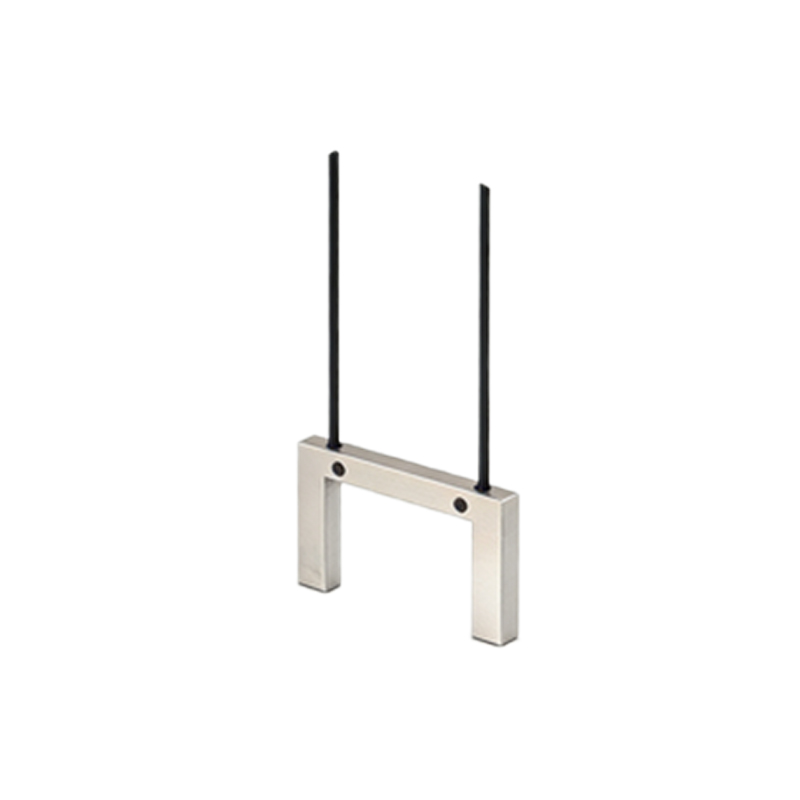
Beyond the core unit, several auxiliary components enhance functionality. Polarizing filters can be crucial for detecting shiny objects; by allowing only light of a specific polarization to pass, they eliminate false signals from specular reflections. Fiber optic cables, acting as light pipes, allow the emitter and receiver units to be installed in extremely confined, hot, or highly sensitive areas, with only the durable cable tips exposed. For through-beam sensors, precision reflectors (retroreflectors) with corner-cube arrays are used to bounce the light directly back to the receiver. Mounting brackets, alignment tools, and protective guards are also vital accessories that ensure correct installation, ease of setup, and long-term durability in demanding applications, completing the sensor system.