Understanding the Core Challenge of Industrial Sensing
In the complex symphony of modern industrial automation, proximity sensors serve as the critical nervous system, detecting the presence or absence of objects without physical contact. However, this environment is far from quiet. It is saturated with electromagnetic interference (EMI) from variable frequency drives, radio frequency noise from wireless communications, and electrical transients from heavy machinery switching. Standard inductive, capacitive, or photoelectric sensors can misinterpret these signals, leading to false triggers, missed detections, and costly production errors. This reality underscores the paramount importance of a robust supply chain for specifically engineered anti-interference proximity sensors. These are not merely components; they are reliability solutions designed to maintain signal integrity where it matters most.
Key Technologies in Anti-Interference Sensor Design
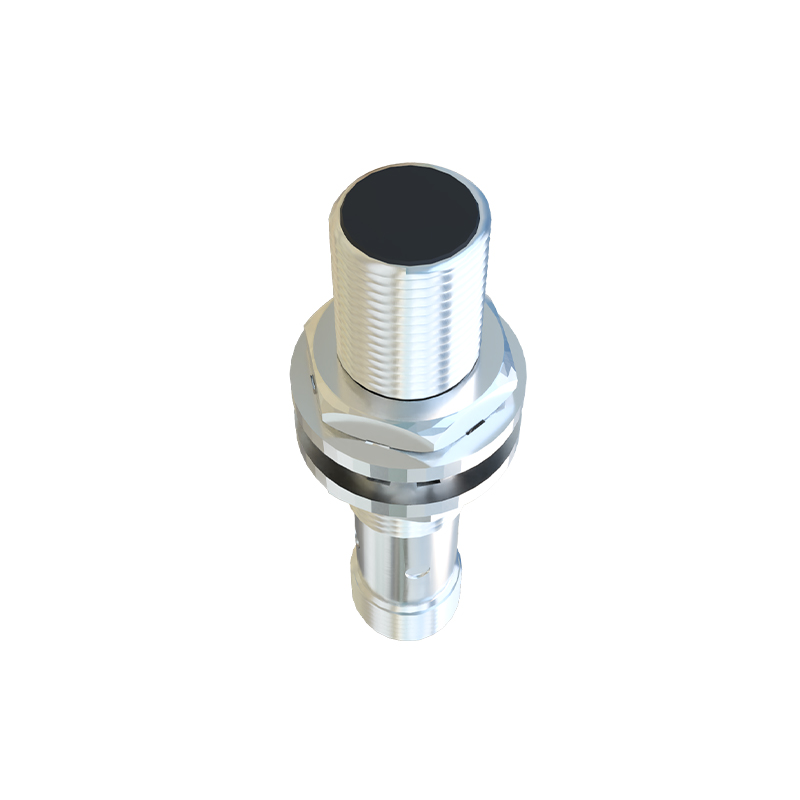
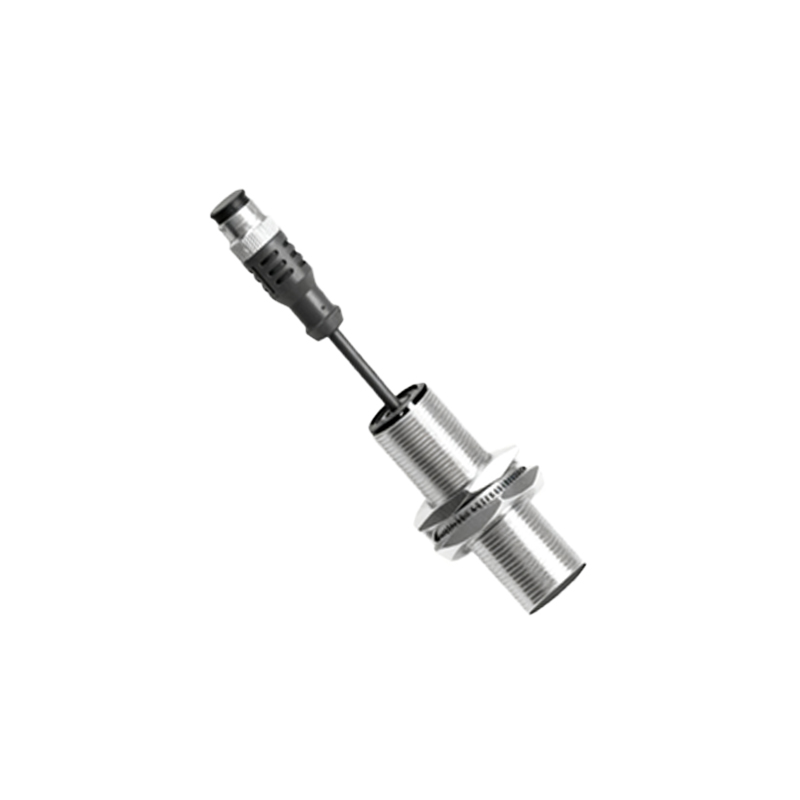
Suppliers specializing in this niche integrate several advanced technologies to achieve immunity. Shielding is the first line of defense, employing metallic housings and internal Faraday cages to block external EMI. Filtering circuits are meticulously designed into the sensor's electronics to distinguish between the true sensing signal and high-frequency noise. Modern digital sensors utilize advanced signal processing algorithms, sampling the input multiple times to validate a detection event before sending an output. Furthermore, the use of DC sensors with constant current output, as opposed to older two-wire AC/DC types, significantly enhances noise resistance. For particularly harsh environments, suppliers offer sensors with M12 or M8 connectors featuring metal shells and shielded, twisted-pair cables as part of a complete, interference-resistant system.
The Critical Role of Specialized Supply Partners
Procuring these high-performance sensors requires more than a standard component distributor. It demands a supply partner with deep application engineering expertise. A proficient supplier doesn't just sell a catalog number; they engage in a technical dialogue. They assess the client's specific environmental challenges—whether it's arc welding stations, powerful motor controls, or dense robotic cells. Based on this, they recommend sensors with appropriate IP ratings, housing materials (like nickel-plated brass or stainless steel), and output configurations (PNP/NPN, NO/NC). Their value lies in providing documented technical specifications for immunity, such as compliance with IEC 60947-5-2 standards for surge withstand, burst immunity, and RF field tests, giving engineers verifiable performance data.
Ensuring Consistency and Availability in the Supply Chain
For machine builders and plant operators, sensor performance must be consistent from the first unit to the thousandth. Leading suppliers ensure this through stringent quality control at manufacturing sites, often employing automated optical inspection and 100% testing under simulated noise conditions. From a supply chain perspective, reliability also means availability. Disruptions can halt production lines. Therefore, robust suppliers maintain strategic buffer stocks of key anti-interference models, offer flexible packaging (reels for automated assembly), and have transparent logistics to prevent downtime. Their ability to provide long-term product lifecycle support is equally crucial, ensuring that a sensor specified today will be available for replacement or system expansion a decade later.
Future Trends and Integration Demands
The demand for anti-interference capabilities is growing with Industry 4.0. Sensors are no longer isolated switches; they are intelligent nodes on IO-Link, PROFINET, or EtherNet/IP networks. This digital integration exposes them to new forms of network-borne noise. Forward-thinking suppliers are now offering sensors with embedded diagnostics that can report signal quality or interference levels proactively. The supply chain is evolving to support these smart sensors with not just the physical device, but also the configuration software, protocol-specific connectors, and integration support. The next generation of supply will focus on providing complete, noise-immune sensing solutions that seamlessly feed reliable data into digital twin and predictive maintenance systems, making interference immunity a foundational requirement for data integrity.