Introduction to Photoelectric Sensors in Modern HVAC Systems
In the realm of advanced climate control, Samsung air conditioners integrate sophisticated photoelectric sensors to redefine environmental management. These sensors operate on the principle of detecting light intensity and variations, which directly correlates to occupancy and ambient conditions within a space. Unlike traditional thermostatic controls that rely solely on temperature, photoelectric sensors add a layer of intelligent responsiveness. They are typically composed of an emitter, which projects an infrared or visible light beam, and a receiver that measures the reflected or transmitted light. In Samsung's implementation, this technology is seamlessly embedded into both residential and commercial units, allowing for real-time adjustments. By monitoring factors such as sunlight penetration and room occupancy, the system can preemptively modulate cooling output, ensuring optimal energy usage without compromising comfort. This foundational approach not only enhances operational efficiency but also aligns with global trends toward smart, automated building systems.
Core Operational Mechanism and Technical Specifications
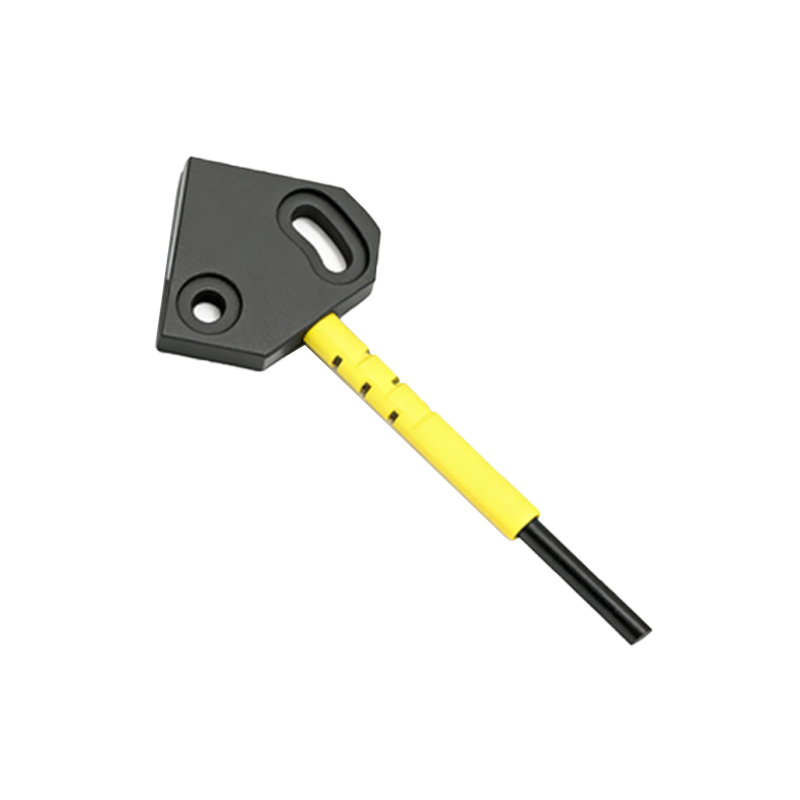
The photoelectric sensors in Samsung air conditioners function through a precise, non-contact detection method. When installed, these sensors continuously scan the environment for changes in light patterns. For instance, in a scenario where sunlight streams through a window, the sensor detects the increased light intensity and signals the air conditioner to reduce cooling in that specific zone, thereby preventing overcooling and energy waste. Conversely, in dimly lit or unoccupied rooms, the sensor may trigger energy-saving modes. Samsung employs high-sensitivity phototransistors or photodiodes in these components, ensuring rapid response times and minimal error margins. Technical specifications often include a detection range of up to several meters, with adjustable sensitivity settings accessible via the unit's control panel or companion smartphone app. The sensors are designed to operate effectively across a wide spectrum of light conditions, from low-light evenings to bright midday sun, maintaining consistent performance. This reliability is bolstered by robust calibration algorithms that filter out transient light changes, such as fleeting shadows, to avoid unnecessary system cycling.
Integration with Samsung SmartThings and IoT Ecosystems
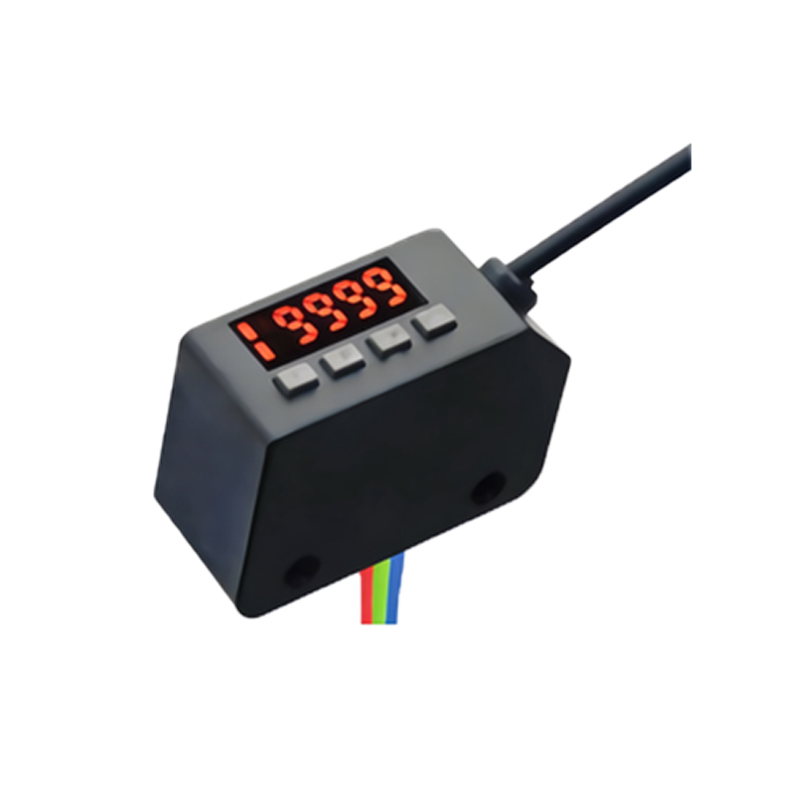
A standout feature of Samsung's photoelectric sensor technology is its deep integration with the SmartThings platform and broader Internet of Things (IoT) ecosystems. Through wireless connectivity protocols like Wi-Fi or Zigbee, the sensors communicate seamlessly with the air conditioner's main controller and other smart devices. Users can set customized automation rules; for example, linking sensor data to smart blinds or lighting systems to create a holistic comfort environment. The Samsung SmartThings app provides an intuitive interface for monitoring sensor readings, adjusting thresholds, and viewing historical data on occupancy and light patterns. This integration enables predictive maintenance alerts, notifying users if sensor performance drifts or requires cleaning. Moreover, in commercial settings, these sensors contribute to building management systems (BMS), facilitating centralized control over multiple HVAC units. By leveraging IoT capabilities, Samsung ensures that its air conditioners are not standalone appliances but integral components of a responsive, energy-efficient smart home or office network.
Energy Efficiency and Environmental Impact
The deployment of photoelectric sensors in Samsung air conditioners yields significant energy savings and reduces environmental footprint. By dynamically adjusting cooling based on real-time occupancy and natural light, these systems minimize unnecessary compressor operation, which is a major energy consumer in HVAC units. Studies indicate that such adaptive controls can lower energy consumption by up to 20-30% compared to conventional fixed-setpoint systems. This efficiency directly translates to reduced electricity bills and lower carbon emissions, supporting sustainability goals. Samsung designs these sensors with longevity in mind, using durable materials that withstand temperature fluctuations and humidity, common in HVAC environments. Additionally, the sensors contribute to extending the overall lifespan of the air conditioner by reducing mechanical strain through optimized cycling. As regulations worldwide tighten on energy efficiency standards, features like photoelectric sensing position Samsung products at the forefront of compliance and innovation, appealing to eco-conscious consumers and businesses aiming for green certifications.
Installation, Calibration, and Maintenance Best Practices
Proper installation and calibration are crucial for maximizing the benefits of photoelectric sensors in Samsung air conditioners. Technicians typically mount sensors in strategic locations—such as near windows or in central room areas—to capture representative light and occupancy data. Calibration involves setting baseline light levels and occupancy thresholds via the control system, ensuring the sensor accurately distinguishes between normal activity and irrelevant disturbances. Samsung provides detailed manuals and, in some models, automated calibration routines to simplify this process. Maintenance is generally minimal but essential; periodic cleaning of the sensor lens prevents dust accumulation that could impair sensitivity. Users should also verify sensor alignment and connectivity during routine HVAC check-ups. In case of malfunctions, diagnostic tools within the system can pinpoint issues, whether related to sensor hardware or software integration. Following these best practices ensures reliable performance, sustaining energy savings and comfort over the unit's operational life.
Future Trends and Innovations in Sensor Technology
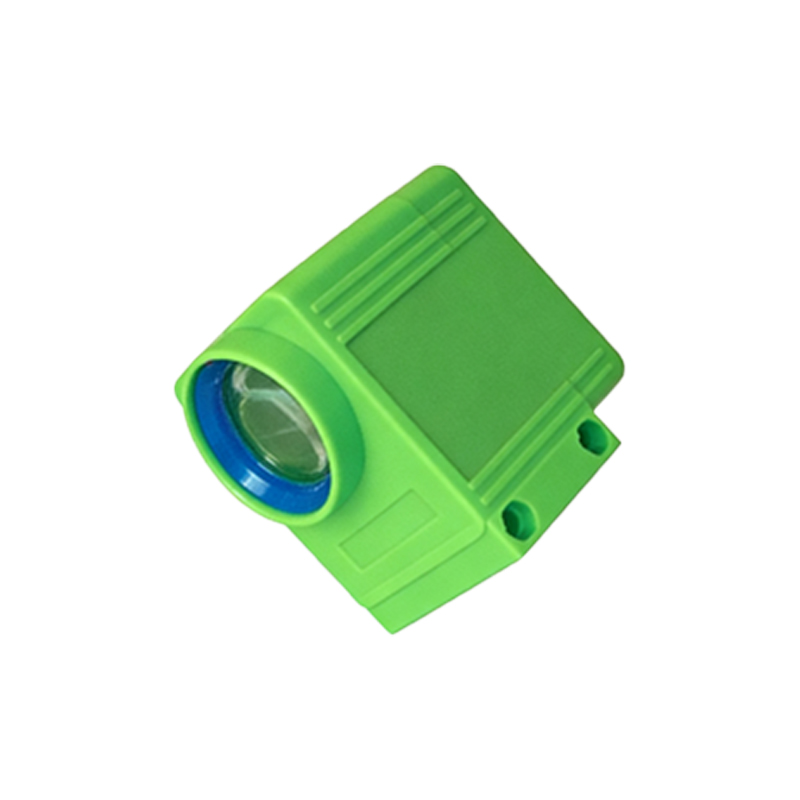
Looking ahead, photoelectric sensor technology in Samsung air conditioners is poised for further evolution. Emerging trends include the incorporation of artificial intelligence (AI) and machine learning algorithms to enhance predictive capabilities. Future sensors may analyze long-term patterns in light and occupancy to anticipate user preferences, automatically adjusting settings for peak comfort and efficiency. Additionally, advancements in miniaturization and multi-sensor fusion could lead to even more discreet and powerful units, capable of detecting finer environmental details like air quality or specific human movements. Samsung's research in nanomaterials and low-power electronics may yield sensors with extended lifespans and reduced energy consumption themselves. As smart cities and connected homes become ubiquitous, these sensors will likely play a pivotal role in grid-responsive HVAC systems, communicating with utility providers to balance load during peak demand. By staying at the cutting edge of sensor innovation, Samsung continues to drive the HVAC industry toward greater intelligence, sustainability, and user-centric design.