Introduction to Photoelectric Sensor Market Dynamics
The global market for photoelectric sensors is experiencing robust growth, driven by increasing automation across manufacturing, logistics, and packaging industries. These sensors, known for their non-contact detection, high precision, and versatility, have become indispensable in modern industrial control systems. The sales ranking reflects not only product performance but also technological innovation, brand reliability, and adaptability to emerging Industry 4.0 and IoT applications. Factors such as sensing range, response time, environmental durability, and connectivity features significantly influence purchasing decisions. This analysis delves into the current sales leaders, providing insights into the competitive landscape and key trends shaping the future of industrial sensing solutions.
Methodology Behind the Sales Ranking
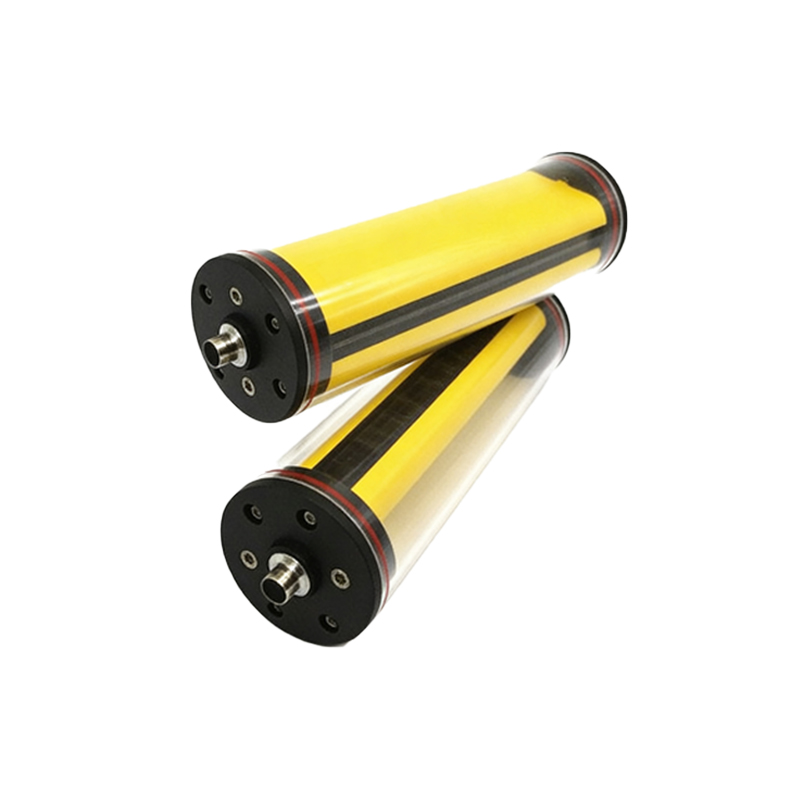
This ranking is compiled based on a comprehensive analysis of quarterly and annual sales data from major industrial automation distributors, direct manufacturer reports, and market research studies from firms like IHS Markit and ARC Advisory Group. The data encompasses various regions including North America, Europe, and the Asia-Pacific, which is the largest and fastest-growing market. Sales volume, revenue, and market share for the calendar year 2023 form the primary basis. The ranking considers the entire portfolio of photoelectric sensors (diffuse, retro-reflective, through-beam) from each brand, focusing on units shipped for factory automation, material handling, and automotive applications.
#1: Omron Corporation
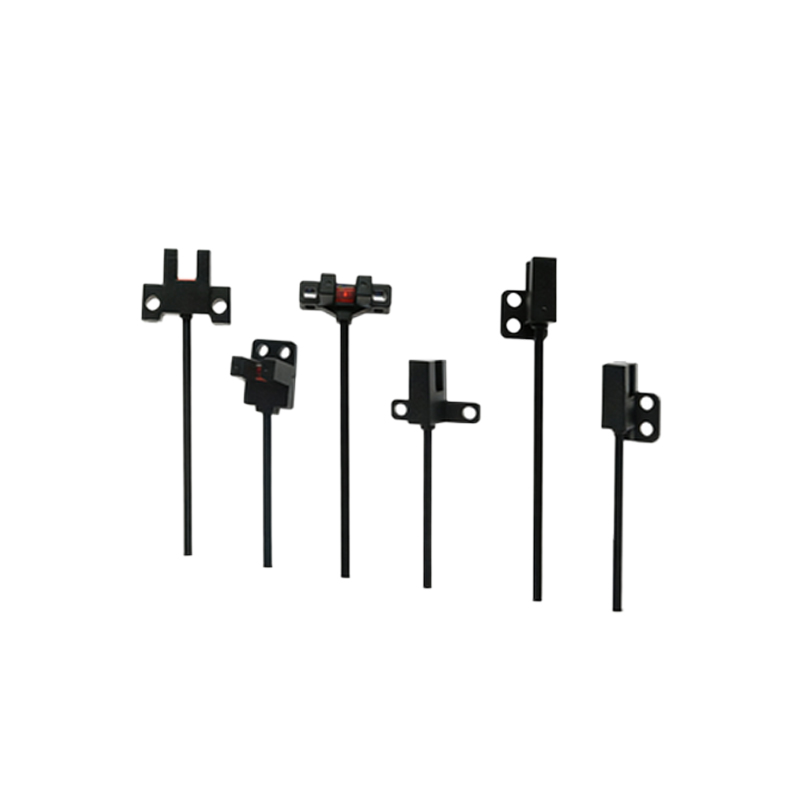
Omron consistently secures the top position in photoelectric sensor sales globally. Their E3Z and E3S-C series are industry benchmarks, renowned for exceptional stability, long sensing distances, and robust construction resistant to harsh environments. Omron's strength lies in its extensive distribution network and a strong reputation for quality and innovation, such as incorporating advanced background suppression technology and IO-Link communication. Their sensors are ubiquitous in automotive assembly lines and electronic manufacturing, cementing their market leadership through reliable performance and a comprehensive product range that meets diverse application needs.
#2: Keyence Corporation
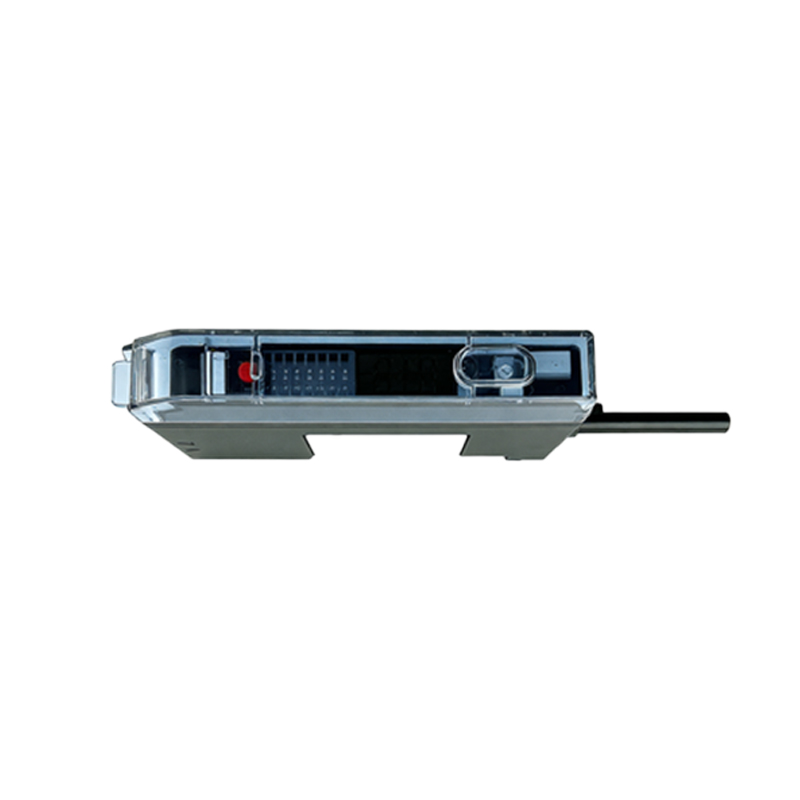
Keyence follows closely, renowned for its high-performance, premium photoelectric sensors. Products like the PZ-G and PM series offer groundbreaking features, including ultra-high speed response, minute object detection, and sophisticated adjustable sensing fields. Keyence's direct sales model and exceptional technical support allow them to provide tailored solutions for complex applications. Their sensors often lead in advanced sectors requiring extreme precision, such as semiconductor fabrication and pharmaceutical packaging. While sometimes at a higher price point, their value proposition in maximizing production efficiency and yield keeps them at the forefront of sales charts.
#3: Sick AG
Sick AG is a powerhouse in sensor technology, holding a dominant share in the European market and a strong global presence. Their W4, W12, and WT series photoelectric sensors are celebrated for outstanding reliability, high immunity to ambient light, and superior ingress protection ratings. Sick excels in challenging logistics and material handling applications, where sensors must perform flawlessly in dusty or vibratory conditions. Their focus on safety-rated sensors and integration with Industry 4.0 platforms drives continuous demand, making them a preferred choice for system integrators in warehouse automation and heavy industry.
#4: Rockwell Automation
Rockwell Automation leverages its strong position in integrated control systems to drive sales of its photoelectric sensors, primarily the Allen-Bradley 42JR and 45ML series. Their key advantage is seamless integration with Rockwell's PLCs and communication networks like EtherNet/IP, simplifying design, configuration, and maintenance for end-users committed to their ecosystem. This deep compatibility is a major selling point in large-scale North American manufacturing facilities, particularly in automotive and food & beverage sectors, where unified architecture reduces downtime and engineering costs.
#5: Banner Engineering
Banner Engineering is celebrated for offering a remarkable balance of performance, durability, and cost-effectiveness. Their QS18, MINI-BEAM, and WORLD-BEAM series are immensely popular for a vast array of general-purpose applications. Banner's sensors are known for user-friendly features like patented push-button teach-in functionality and robust housings. Their ability to deliver reliable solutions at competitive prices, coupled with strong distributor support, makes them a go-to brand for OEMs and end-users across multiple industries, from packaging machinery to conveyor systems, sustaining high sales volumes.
#6: Panasonic Corporation
Panasonic holds a significant market share, particularly in the Asia-Pacific region. Their CX-400 and PM series sensors are recognized for compact design, energy efficiency, and high noise immunity. Panasonic's strength lies in high-volume manufacturing capabilities and cost-competitive pricing without substantial compromises on quality. They are extensively used in consumer electronics production, appliance manufacturing, and other cost-sensitive automation projects. Continuous development in fiber optic sensor units and laser-based models helps them maintain a solid position in the sales ranking.
#7: Schneider Electric
Schneider Electric's photoelectric sensors, under the Telemecanique Sensors brand (e.g., XU and XUB series), benefit from the company's vast global electrical infrastructure and building automation footprint. Their sensors are often specified in projects where holistic control solutions are required, integrating with Schneider's PLCs and SCADA systems. A focus on modular design and easy installation appeals to panel builders and system integrators. Strong sales in Europe, the Middle East, and Africa in sectors like infrastructure and energy management contribute significantly to their ranking.
#8: Balluff GmbH
Balluff is a specialist in sensor and automation solutions, with its photoelectric sensors (BOS series) highly regarded for innovation in miniaturization and IO-Link smart sensor technology. They are a leader in providing RFID and sensor fusion solutions. Balluff's high-performance sensors are frequently found in advanced machine tool, robotics, and automotive transfer line applications where space is constrained and data-rich communication is critical. Their focus on the digitalization of the factory floor supports strong sales growth, especially in smart manufacturing initiatives.
#9: IFM Electronic
IFM Electronic is known for its system-oriented approach and high-quality photoelectric sensors like the O5 and O7 series. A pioneer in IO-Link technology, IFM embeds rich diagnostic and process data capabilities into its sensors, appealing to users seeking predictive maintenance and process optimization. Their products are characterized by rugged metal housings and excellent resistance to welding flashes and coolants, making them staples in automotive welding and metalworking industries. Direct customer proximity and application engineering support drive their consistent sales performance.
#10: Pepperl+Fuchs
Pepperl+Fuchs rounds out the top ten, with a renowned expertise in explosion-proof and intrinsically safe sensors for hazardous areas. Their photoelectric sensor portfolio, including the ML and M series, is also robust for general industrial use. The company's deep domain knowledge in process industries like oil & gas, chemical, and pharmaceutical ensures steady demand for their specialized, high-reliability products. Their global service network and focus on application-specific solutions secure their position in the market, particularly in safety-critical environments.
Emerging Trends and Future Outlook
The photoelectric