Introduction to GTE6 Photoelectric Sensor
The GTE6 series represents a state-of-the-art line of photoelectric sensors engineered for precision and reliability in demanding industrial automation environments. These sensors utilize advanced optical technology to detect the presence, absence, or distance of objects without physical contact. The core principle involves emitting a beam of light—typically infrared, visible red, or laser—from a transmitter. A receiver then detects the light beam. An object is sensed when it interrupts or reflects this beam, triggering a change in the sensor's output state. The GTE6 series is distinguished by its robust housing, designed to withstand harsh conditions including dust, moisture, and mechanical vibration, making it an ideal solution for applications in packaging, material handling, assembly, and automotive manufacturing.
Key Technical Specifications and Operating Principles
The operational performance of the GTE6 sensor is defined by several critical specifications. Sensing range varies by model, with diffuse reflective types offering ranges up to 2 meters, retro-reflective models up to 10 meters, and through-beam variants capable of exceeding 20 meters. It features a high switching frequency, enabling the detection of fast-moving objects on production lines. The sensor operates on a standard DC voltage range (10-30V DC) and provides both NPN (sinking) and PNP (sourcing) output configurations for seamless integration with various PLCs and control systems. A key innovation is its background suppression technology, which allows it to reliably detect objects regardless of their color or reflectivity by evaluating the angle of the reflected light rather than its intensity. This ensures consistent performance even with challenging targets.
Detailed Configuration and Mounting Guidelines
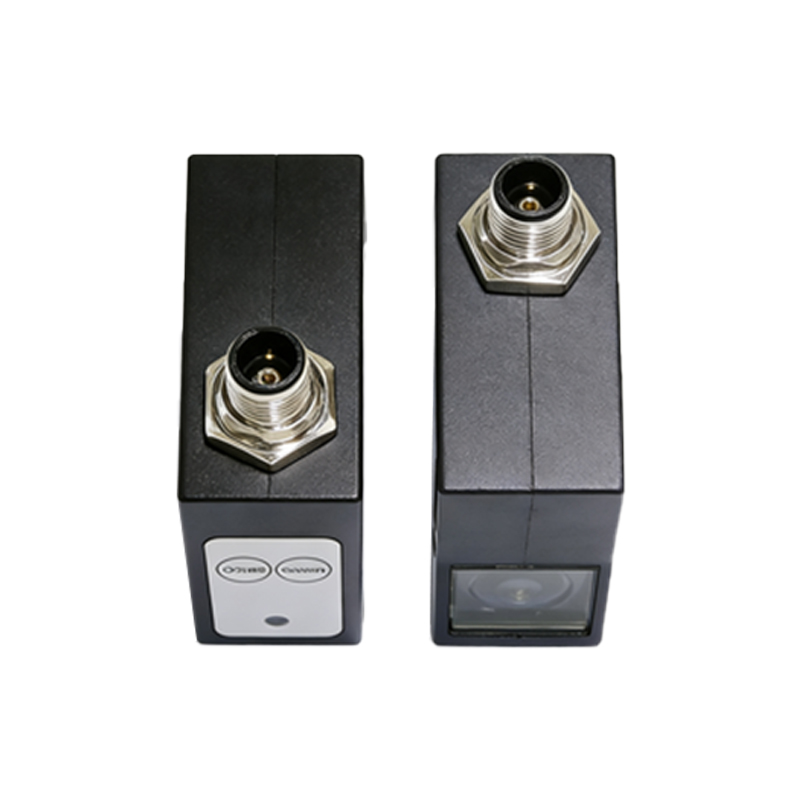
Proper installation is paramount for optimal sensor functionality. The GTE6 sensor body is typically cylindrical or rectangular with standardized mounting threads or brackets. Ensure the sensor is securely fastened to minimize alignment drift due to vibration. Precise alignment between the transmitter and receiver (for through-beam types) or towards the target area (for reflective types) is critical; many models feature a visible red beam or a stable indicator LED to facilitate this alignment. Maintain a clear optical path, free from obstructions like dust, steam, or stray reflective surfaces that could cause false triggers. Consider environmental factors: use models with higher IP ratings (e.g., IP67) for wash-down or outdoor applications to protect against water and particulate ingress.
Wiring and Electrical Interface Standards
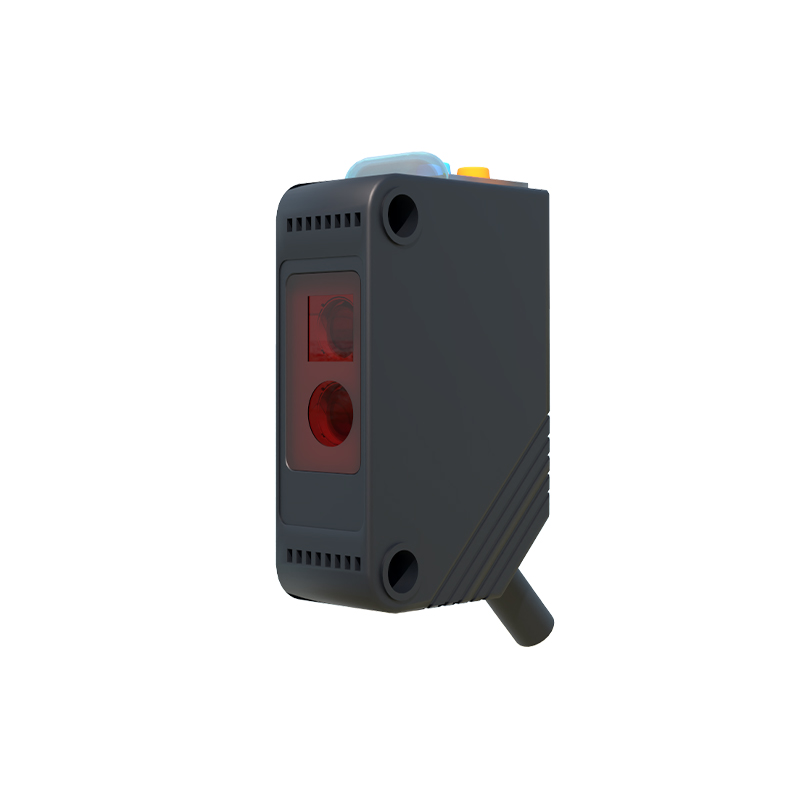
The electrical connection of the GTE6 sensor follows industry-standard color-coding and terminal designations. Typically, the brown wire connects to the positive DC supply voltage, the blue wire to the common ground (0V), and the black (or white) wire is the switched output signal. A fourth wire, often white or gray, may provide an analog output or a complementary switched output. Always refer to the specific model's datasheet. Connect the load (e.g., a PLC input, relay, or indicator) between the output wire and the positive supply (for PNP) or ground (for NPN). Implement proper electrical safeguards such as fusing, and use shielded cables in electrically noisy environments to prevent electromagnetic interference from disrupting the sensitive signal.
Advanced Features and Function Modes
Beyond basic on/off detection, the GTE6 series incorporates sophisticated features for complex applications. The teach-in function allows for easy programming of sensitivity thresholds and timing parameters via a button or remote input, adapting to different object sizes or distances. Models with IO-Link communication provide digital bidirectional data exchange, enabling remote configuration, real-time diagnostics, and process parameter monitoring directly into the control system. Some variants offer adjustable time delays (on-delay, off-delay, one-shot) to filter out signal bounce or create precise timing sequences. The built-in diagnostics, indicated by a multi-color LED, provide immediate feedback on operating status, alignment quality, and potential faults such as contamination or overload.
Common Application Scenarios and Solutions
The versatility of the GTE6 sensor makes it suitable for a vast array of industrial tasks. In conveyor systems, through-beam sensors are used for precise object counting and break-of-beam safety curtains. Diffuse sensors with background suppression excel in detecting transparent bottles on filling lines or identifying the level of bulk materials in silos. In robotic workcells, compact models are used for part presence verification and precise positioning. For packaging machinery, sensors detect foil, label, or film presence. When encountering challenges like detecting glossy objects, using a polarized filter model can eliminate false signals from direct reflections. For long-range outdoor applications, laser-based GTE6 models provide a highly focused beam resistant to ambient light interference.
Troubleshooting and Maintenance Best Practices
Systematic troubleshooting ensures minimal downtime. If the sensor fails to detect, first verify power supply voltage and polarity. Check the alignment and cleanliness of the lenses; clean them with a soft cloth if contaminated. Use the status LED as the primary diagnostic tool: a steady green usually indicates proper operation and detection, while a flashing red may signal misalignment, out-of-range conditions, or a dirty lens. Ensure the sensing object is within the specified range and size limits. Verify the load connected to the output is within the sensor's current rating. For persistent issues, consult the wiring diagram and use a multimeter to test output switching. Regular preventive maintenance includes periodic lens cleaning, checking mounting stability, and verifying performance in the actual application environment.
Comparison with Alternative Sensing Technologies
While photoelectric sensors like the GTE6 offer excellent non-contact detection over distances, understanding their position relative to other technologies is crucial. Compared to inductive proximity sensors, photoelectrics can detect non-metallic objects (plastic, wood, glass) and operate over much longer ranges. Versus capacitive sensors, they are less sensitive to environmental changes like humidity but may be affected by certain airborne particulates. Ultrasonic sensors are better for detecting sound-absorbing materials or in environments with heavy dust or fog, where light beams may scatter, but photoelectrics generally offer faster response times and higher precision for small object detection. The choice depends on the specific object material, required range, environmental conditions, and response speed.