Understanding Proximity Sensor Pricing Factors
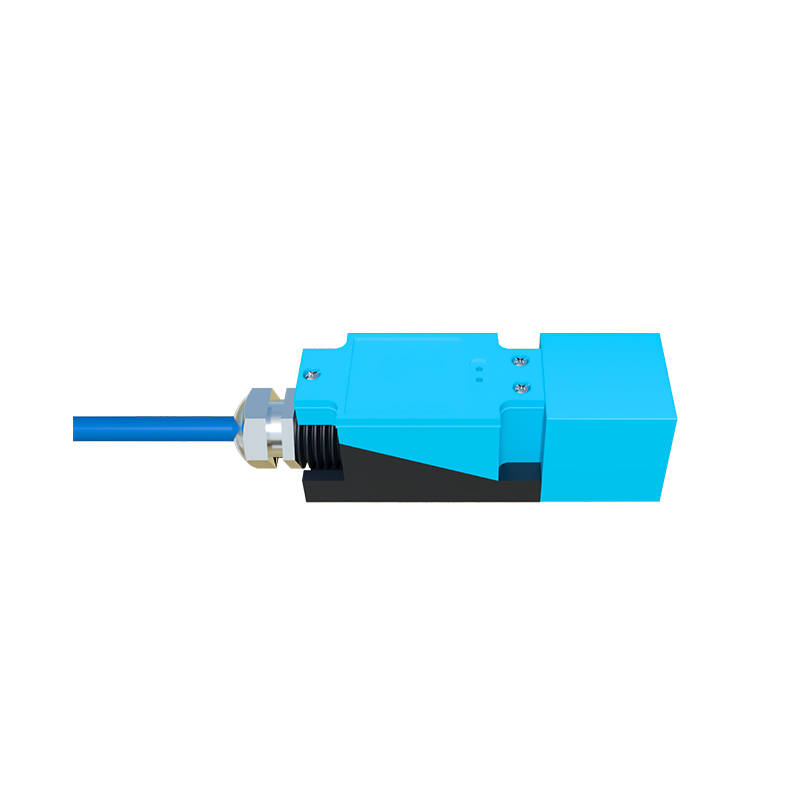
The cost of a proximity sensor is not a single, fixed number but a variable influenced by a complex interplay of technical specifications and market dynamics. For industrial buyers and engineers, understanding these factors is crucial for making informed procurement decisions. The primary determinant is the sensing technology. Inductive sensors, used for detecting metallic objects, are generally the most cost-effective, with basic shielded tubular models starting at very competitive prices. Capacitive sensors, capable of detecting both metallic and non-metallic materials, typically command a higher price point due to their more complex circuitry. Ultrasonic sensors, offering longer ranges and the ability to detect a wide variety of objects, sit at a premium tier. Photoelectric sensors, with their diverse operating modes (diffuse, retro-reflective, through-beam), have a broad price range depending on features like sensing distance, light source (LED vs. laser), and specialized housings.
Key Specifications Impacting Cost
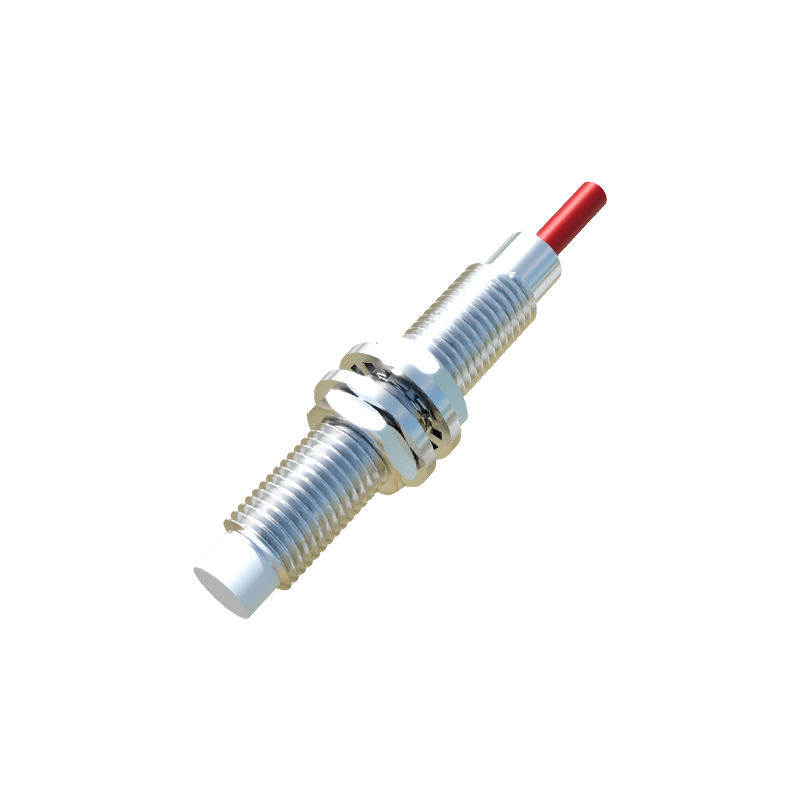
Beyond the core technology, specific performance parameters directly correlate with price. Sensing range is a major factor; a standard 5mm inductive sensor is inexpensive, while a 40mm or 60mm variant will cost significantly more. The housing material and design also play a role. Standard cylindrical metal or plastic housings are economical. Prices increase for sensors with specialized stainless-steel housings for washdown or corrosive environments, or those with specific certifications like IP67, IP69K, or NEMA ratings. Output configuration is another key differentiator. Basic 3-wire DC PNP or NPN outputs are standard. Sensors with analog outputs (4-20mA, 0-10V), IO-Link digital communication, or dual switching outputs carry a price premium due to added functionality and intelligence.
Market Segmentation and Brand Positioning
The proximity sensor market is segmented into distinct tiers, each with its own price bracket. Established global automation leaders like Siemens, Omron, Schneider Electric, and Rockwell Automation occupy the premium segment. Their sensors are known for high reliability, extensive global support, and seamless integration with their own PLC ecosystems, justifying their higher price. A mid-range tier includes other reputable international brands like Pepperl+Fuchs, Sick, and Balluff, which offer excellent performance and specialized options at a slightly more accessible price point. The value segment consists of generic or OEM-branded sensors, often manufactured in Asia. These can be 30-50% cheaper but may vary in consistency and long-term reliability. Choosing a tier involves balancing upfront cost against total cost of ownership, including maintenance and downtime.
Approximate Price Ranges by Technology
The following price table provides a general reference for standard, non-specialized sensors in moderate quantities (single-unit to small batch). Prices are indicative and can fluctuate based on distributor, region, and volume. All figures are in US Dollars. Basic Inductive Sensor (12mm diameter, 4mm range, PNP): $15 - $35. Standard Capacitive Sensor (18mm diameter, 5mm range): $40 - $80. Standard Diffuse Photoelectric Sensor (M18 housing, 300mm range): $50 - $120. Ultrasonic Sensor (M30 housing, 200mm - 1m range): $80 - $250. It is critical to note that these are base prices. Adding features like extended temperature range, high-pressure resistance, or specific electrical connections (e.g., M12 connectors) will increase the cost.
Strategies for Cost Optimization
Smart procurement goes beyond simply selecting the cheapest unit on a price list. Effective cost optimization involves several strategies. First, accurately define the application requirements. Avoid over-specifying; a sensor with a 20mm range is far cheaper than one with a 100mm range if the application only needs 15mm. Second, consider standardization across the facility. Using one sensor model for multiple similar applications can increase purchase volume and leverage better pricing from distributors. Third, evaluate total cost of ownership. A slightly more expensive, highly reliable sensor from a trusted brand may prevent costly production line stoppages. Finally, build relationships with authorized distributors. They can provide volume discounts, technical support, and insights into alternative models that may offer better value.
Future Trends and Price Trajectory
The future of proximity sensing is moving towards greater intelligence and connectivity, which will influence pricing models. The integration of IO-Link is becoming increasingly standard, adding a marginal cost but providing immense value in diagnostics, parameter setting, and process data. This "smart sensor" trend may stabilize or even increase average unit prices while reducing system-level costs through easier maintenance. Conversely, advancements in manufacturing and the proliferation of low-cost micro