Understanding the Model Number Structure
Photoelectric sensor model numbers are not random sequences of letters and digits; they are a coded language that conveys critical technical specifications. Manufacturers design these alphanumeric strings to provide engineers and procurement specialists with a quick, standardized reference for a sensor's key attributes. A typical model number is segmented into distinct fields, each representing a specific characteristic such as sensing method, output type, housing style, or connection method. Learning to decipher this code is essential for accurate selection, replacement, and integration of sensors into industrial automation systems. It eliminates guesswork and ensures compatibility with existing control architectures, power supplies, and mechanical mounting requirements. The structure is logical, though it varies between manufacturers, making familiarity with a brand's specific nomenclature crucial.
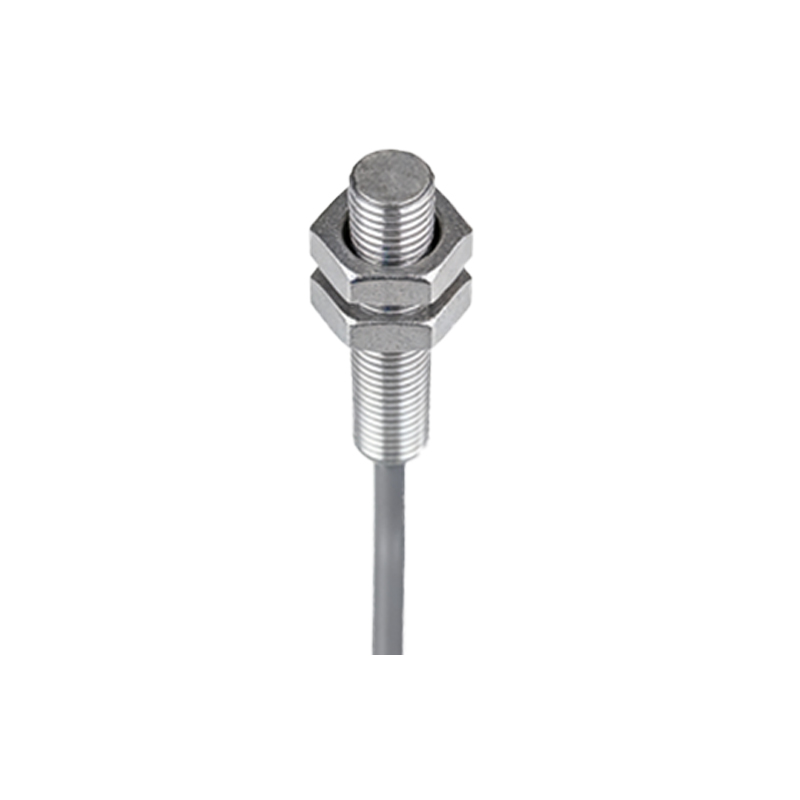
Decoding Common Prefix and Suffix Codes
The beginning and end of a model number often hold the most fundamental information. Prefixes frequently indicate the sensor family or series. For instance, 'E3Z' might denote a standard cylindrical photoelectric sensor from one brand, while 'BOS' could indicate a background suppression model from another. Suffixes, on the other hand, commonly specify the electrical output configuration. Codes like 'N' or 'PNP' typically represent a sinking (NPN) or sourcing (PNP) transistor output, respectively. Other common suffix codes include 'D' for a dual (NO+NC) output, 'L' for a relay output, or 'A' for an analog output (e.g., 0-10V or 4-20mA). Understanding these codes allows an engineer to immediately identify the basic electrical interface required for connection to a PLC or other controller.
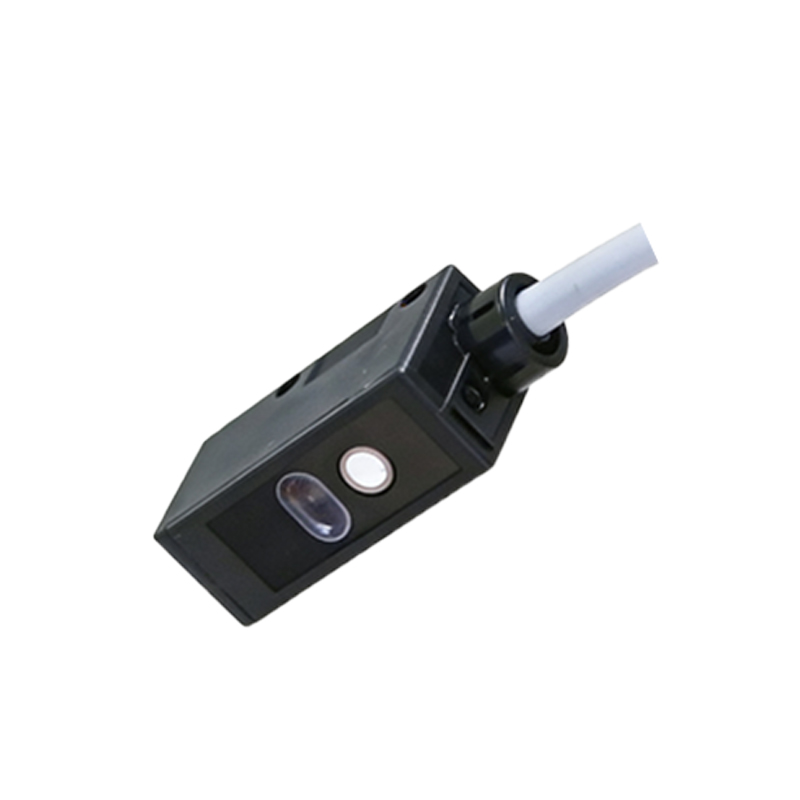
Interpreting Sensing Method Indicators
Embedded within the model string are codes that define the sensor's operational principle. This is a critical differentiator. Common abbreviations include 'T' for Through-beam (also called opposed mode), 'R' for Retro-reflective, and 'D' for Diffuse-reflective (proximity mode). Some manufacturers use more descriptive codes like 'BGS' for Background Suppression or 'FGS' for Foreground Suppression. Polarized retro-reflective sensors might include a 'P' in this segment. This part of the model number directly informs the sensor's installation requirements, sensing range, and suitability for detecting specific objects (e.g., transparent, shiny, or variably colored items). Selecting the wrong sensing method is a primary cause of application failure.
Analyzing Housing and Beam Type Codes
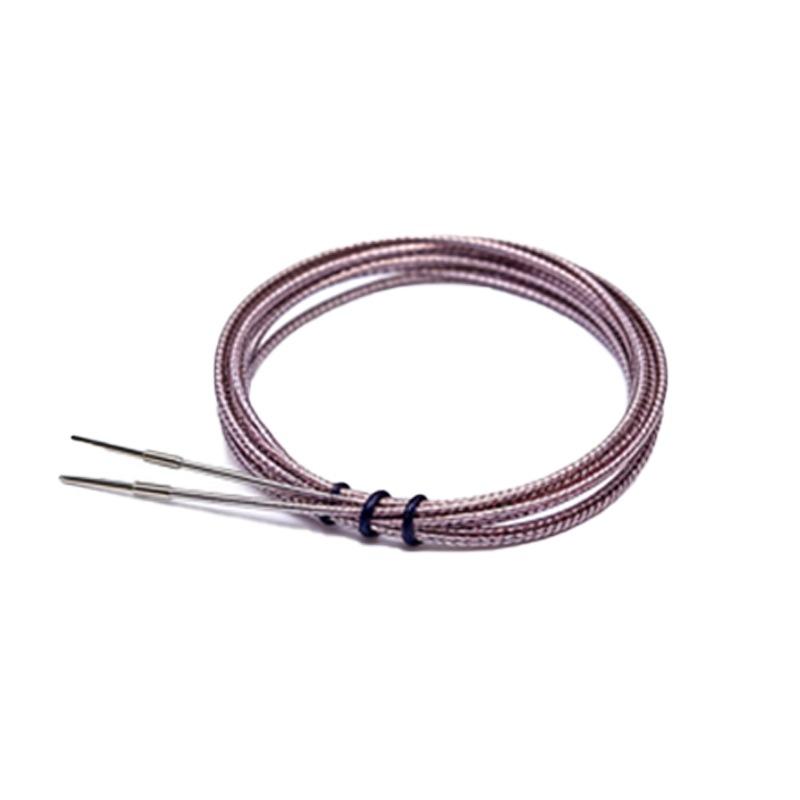
The physical form factor and optical characteristics are also encoded. Housing style is often indicated by a letter or number series. A cylindrical barrel sensor might be coded 'M18' or 'M30' indicating its metric thread diameter. Rectangular or block-style housings could be represented by codes like 'CUBE' or 'Q'. Furthermore, the model number may specify the light beam type. 'R' often stands for a red visible LED beam, while 'IR' denotes an infrared beam. Some advanced sensors use laser diodes, indicated by 'LS'. For fiber optic sensors, which use separate amplifier units, the model number for the fiber cable will specify its head style (e.g., through-beam, coaxial, or focused diffuse) and material (e.g., plastic or glass).
Identifying Special Function and Connection Details
Advanced features and connection methods complete the model number description. Codes here indicate special functionalities such as 'T' for a teach-in function (programmable sensitivity), 'F' for a built-in timer function, or 'Q' for an IO-Link digital communication interface. The connection method is another vital detail: 'C' might indicate a connector (with a specified pin configuration), 'Y' could signify a pre-wired cable of a certain length and type (e.g., PVC or PUR), and 'S' might denote a quick-disconnect (M12 or M8) style. For harsh environments, codes like 'IP67' or 'IP69K' for ingress protection may be part of the suffix. These final details ensure the sensor meets the application's functional, environmental, and installation speed requirements.
Practical Example of Model Breakdown
Consider a hypothetical model number: E3S-R3N1 2M. Breaking it down: 'E3S' is the series name for a photoelectric sensor. 'R' indicates a Retro-reflective sensing method. '3' might specify a sensing distance of 3 meters. 'N' denotes an NPN output transistor. '1' could represent a normally open (NO) contact configuration. '2M' as a suffix likely means it has a 2-meter integrated cable. Therefore, this sensor is a retro-reflective type with a 3m range, NPN NO output, and a 2m cable. Always consult the manufacturer's official datasheet or catalog for the definitive decoding key, as interpretations can vary. This systematic approach streamlines the specification process and minimizes errors in system design and maintenance.