Understanding the Core Technology
Resin proximity sensors represent a specialized category within the vast field of non-contact detection devices. Unlike their metallic-housed counterparts, these sensors feature a sensing face and often an entire housing molded from high-performance engineering plastics or epoxy resins. This construction is fundamentally driven by the need for superior chemical resistance, corrosion immunity, and non-metallic properties in challenging environments. The core sensing principle remains consistent with standard inductive or capacitive proximity sensors. Inductive resin sensors generate an electromagnetic field to detect the presence of metallic targets, while capacitive types can detect both metallic and non-metallic materials by sensing changes in capacitance. The key differentiator lies in the resin encapsulation, which protects the internal oscillator, amplifier, and output circuitry from aggressive media that would rapidly degrade metal shells.
Key Advantages and Material Properties
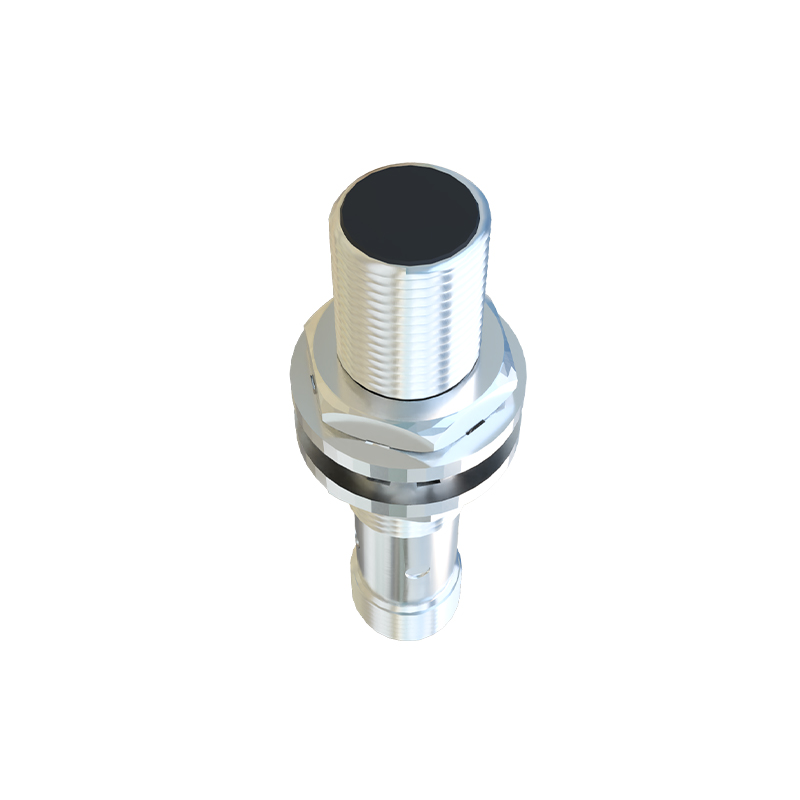
The primary advantage of resin proximity sensors is their exceptional durability in corrosive and washdown applications. Industries such as chemical processing, food and beverage, pharmaceuticals, and marine operations frequently employ acids, alkalis, solvents, and high-pressure cleaning agents. A resin housing, typically made from materials like PBT, PPS, or epoxy, provides outstanding resistance to these substances. Furthermore, these sensors are inherently non-magnetic and electrically insulating, eliminating risks of galvanic corrosion when installed on stainless steel or other metal machinery. Their lightweight nature also reduces mechanical stress on mounting brackets. Many models are designed with smooth, crevice-free surfaces that prevent bacterial growth and facilitate easy cleaning, making them ideal for hygienic design principles mandated in food and pharmaceutical production.
Common Industrial Applications
The application scope for resin-bodied sensors is extensive and critical for reliable automation. In food packaging and bottling lines, they detect containers, caps, or product levels while withstanding frequent sterilization with steam or caustic cleaners. Within chemical plants, they monitor valve positions, actuator strokes, or material presence in areas exposed to volatile organic compounds or acidic fumes. Semiconductor manufacturing utilizes them in wet process stations due to their purity and resistance to etching chemicals. Another significant application is in metal-free detection zones, such as in plastic injection molding machines or near sensitive electronic assembly lines, where a metallic sensor housing could cause interference or physical contamination.
Critical Selection Criteria
Selecting the appropriate resin proximity sensor requires careful consideration of several technical parameters beyond just the housing material. First, identify the sensing technology: inductive for metals only, or capacitive for a broader range of materials. Next, evaluate the specific chemical exposure. Not all resins are equal; consult chemical resistance charts from the manufacturer to match the sensor material against the exact agents present. The ingress protection (IP) rating is paramount; look for at least IP67 for washdown environments, with IP68/IP69K being the standard for high-pressure, high-temperature cleaning. Other factors include sensing distance (which may be slightly less than metal sensors due to the resin face), output type (PNP/NPN, analog, IO-Link), electrical connection (pre-molded cable or connector), and temperature range, especially for processes involving steam or extreme thermal cycles.
Installation and Maintenance Best Practices
Proper installation maximizes the lifespan and reliability of resin sensors. Ensure the mounting location avoids direct, high-velocity impact from cleaning jets, which can force moisture past seals over time. While resistant, the sensing face should be kept clean of persistent buildup, as certain sticky materials can attenuate the sensing field. Use compatible mounting hardware, often stainless steel, to avoid creating a corrosion point. During electrical wiring, adhere strictly to the specified voltage and current ratings, and implement proper shielding in electrically noisy environments. Maintenance is typically minimal, but periodic functional checks are recommended to verify switching performance, as the internal electronics, though protected, can still fail due to electrical surges or extreme thermal stress.
Future Trends and Innovations
The evolution of resin proximity sensors continues alongside Industry 4.0 and smart manufacturing trends. Integration of digital communication protocols like IO-Link is becoming commonplace, allowing for parameter setting, condition monitoring, and diagnostic data (such as temperature warnings or signal strength) to be transmitted directly to the control system. Advances in polymer science are yielding resins with even greater mechanical strength, higher temperature tolerance, and enhanced resistance to newer chemical formulations. Furthermore, miniaturization efforts are producing compact resin sensors for space-constrained applications without sacrificing performance. The future points towards smarter, more robust, and highly integrated sensing solutions that maintain reliability in the harshest industrial environments.