Introduction to Photoelectric Sensor Outputs
Photoelectric sensors are fundamental components in industrial automation, renowned for their non-contact detection capabilities. At the core of their functionality is the output signal, which communicates the sensor's detection state to a control system. The output is the critical interface that translates the physical event of detecting or not detecting an object into an electrical language that programmable logic controllers (PLCs), relays, or other control devices can understand. Selecting the correct output type is paramount for ensuring system reliability, compatibility, and safety. This decision hinges on factors such as the load requirements, response speed, wiring configuration, and the electrical characteristics of the connected control device. A mismatch can lead to system failure, damaged components, or inefficient operation.
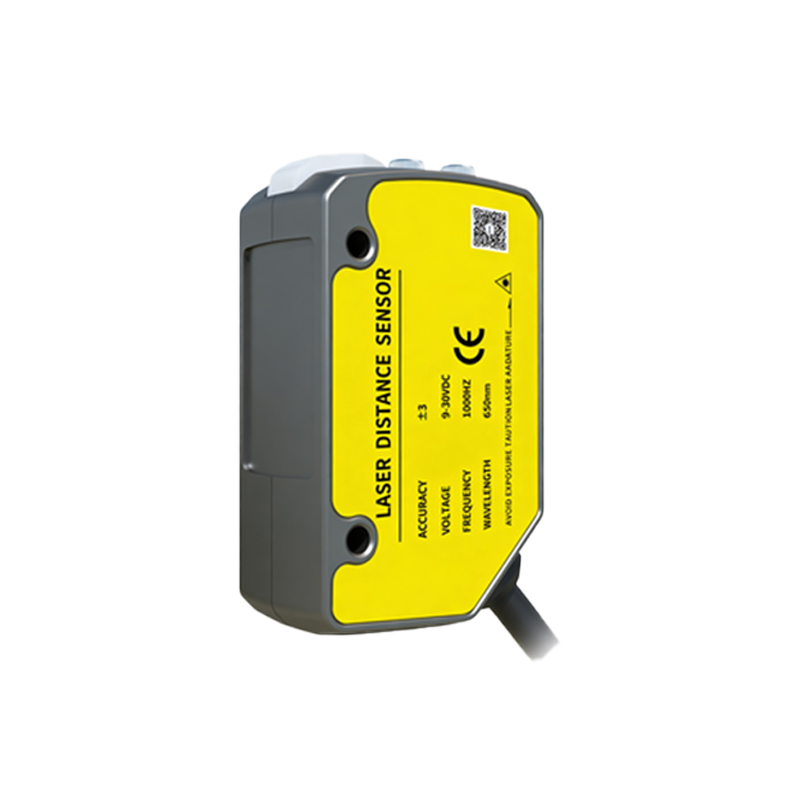
Discrete Digital Outputs: NPN and PNP
The most common output types are discrete digital signals, categorized as NPN (sinking) and PNP (sourcing). These terms refer to the type of transistor used in the sensor's output circuit and define the direction of current flow. An NPN output, common in Asian and European markets, switches the negative or ground side of the load. When active, it connects the load to ground, allowing current to flow from the positive supply, through the load, and into the sensor's output terminal to ground. Conversely, a PNP output, prevalent in North America, switches the positive voltage side. When active, it provides a positive voltage to the load, with current flowing from the sensor, through the load, and to ground. It is crucial to match the sensor's output type (NPN or PNP) with the input requirements of the controller. Connecting an NPN sensor to a PNP-input device, or vice versa, will not function without proper interface circuitry.
Analog Outputs for Continuous Measurement
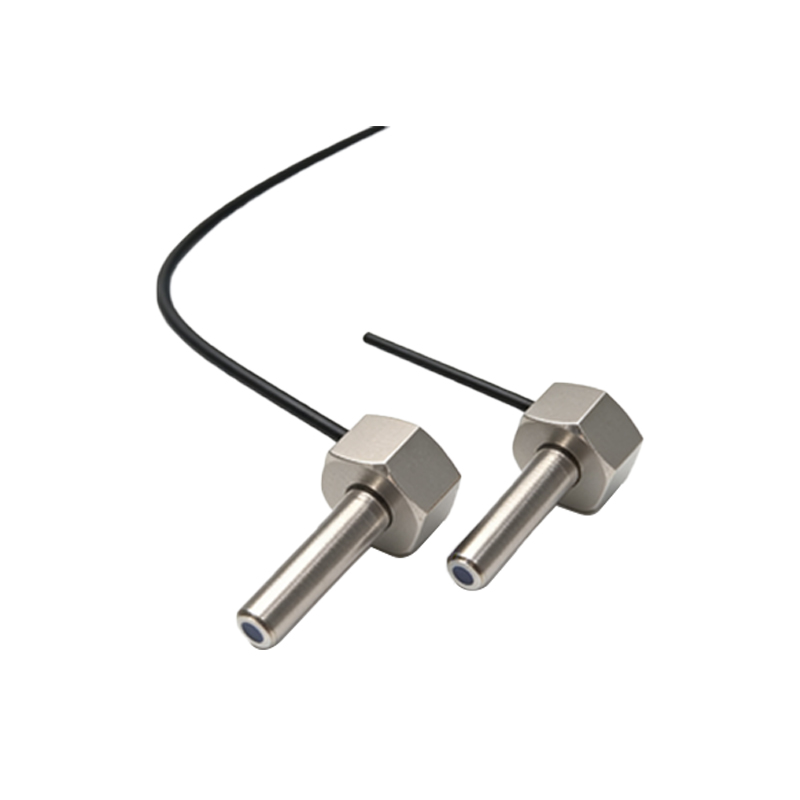
Beyond simple on/off detection, many applications require measurement of distance, contrast, or transparency. This is where analog output photoelectric sensors excel. Instead of a discrete signal, they provide a continuous voltage or current output that is proportional to the measured quantity. Common analog standards include 0-10V DC and 4-20mA current loops. For instance, in a distance measuring application using triangulation, the sensor's output voltage might vary linearly from 0V (object at minimum range) to 10V (object at maximum range). The 4-20mA standard is highly valued in industrial environments for its superior noise immunity over long cable runs; 4mA typically represents the zero or minimum scale, while 20mA represents full scale, with the live zero (4mA) allowing the system to distinguish between a zero signal and a broken wire.
Push-Pull (Complementary) Outputs
Push-pull, or complementary, outputs combine the benefits of both NPN and PNP into a single device. This output circuit contains both NPN and PNP transistors, allowing it to either source current (like a PNP) or sink current (like an NPN) from the same output terminal. This versatility greatly simplifies installation and inventory, as the same sensor model can be connected to either a sinking or sourcing input without internal reconfiguration. When the sensor is active, it provides a positive voltage; when inactive, it actively pulls the line to ground. This active switching in both states provides a clear, defined signal with excellent noise resistance, making it suitable for environments with high electromagnetic interference.
Relay Contact Outputs
For applications requiring direct switching of high-current AC loads, sensors with relay contact outputs are the traditional solution. Inside the sensor, a small transistor circuit drives an electromechanical relay. The output is essentially isolated, heavy-duty switch contacts (often Form A or SPDT) that can directly control motors, solenoids, or indicator lamps operating on line voltage (e.g., 120VAC or 240VAC). The key advantage is high electrical isolation between the sensor's sensitive electronics and the load circuit, protecting the sensor from voltage spikes and inductive kickback. However, relays have mechanical limitations, including slower switching speeds, finite lifespan due to contact wear, and potential contact bounce. They are being gradually replaced by solid-state relays (SSRs) in faster, more durable applications.
IO-Link: The Smart Digital Communication Output
Representing the forefront of sensor technology, IO-Link is a point-to-point serial communication protocol that transforms a standard 3-wire sensor into an intelligent device. An IO-Link sensor does not merely provide a simple switch signal; it transmits a rich digital data stream over the same wiring used for a PNP/NPN sensor. This data can include the measured value, device status, operating parameters, and diagnostic information. The output is a fully digital communication channel that allows for remote configuration, real-time process monitoring, and advanced predictive maintenance alerts. For example, an IO-Link capable photoelectric sensor can report its current light intensity received, signal strength, internal temperature, and operating hours, enabling proactive maintenance before a failure causes downtime.
Selecting the Right Output for Your Application
The choice of output is an engineering decision with significant implications. For simple part detection on a high-speed conveyor, a fast-switching NPN or PNP transistor output is ideal. If the sensor must directly control a 120VAC stack light, a relay output is necessary. For analog applications like monitoring the diameter of a rolling log, a 4-20mA output provides a noise-resistant signal. When future-proofing a flexible production line or requiring detailed diagnostics, specifying an IO-Link sensor is the strategic choice. Engineers must always consult the sensor datasheet and the controller's input specifications, paying close attention to voltage ratings, current sinking/sourcing capabilities, leakage current, and response time to ensure a robust and functional interface.