Introduction to Non-Glass Detection Challenges
In the realm of industrial automation, proximity sensors are indispensable for object detection, positioning, and counting. However, a significant and often overlooked challenge arises when the target material is non-conductive and non-metallic, such as plastics, ceramics, wood, or liquids contained within non-metallic vessels. Traditional inductive proximity sensors excel at detecting metals but are completely blind to these materials. Capacitive sensors offer a broader range but can be notoriously unreliable when attempting to detect objects like glass or specific plastics due to their low dielectric constant and minimal effect on an electrostatic field. This creates a critical gap in sensing capabilities for numerous applications, demanding specialized solutions for reliable "non-glass" and similar material detection.
Limitations of Standard Capacitive Sensors
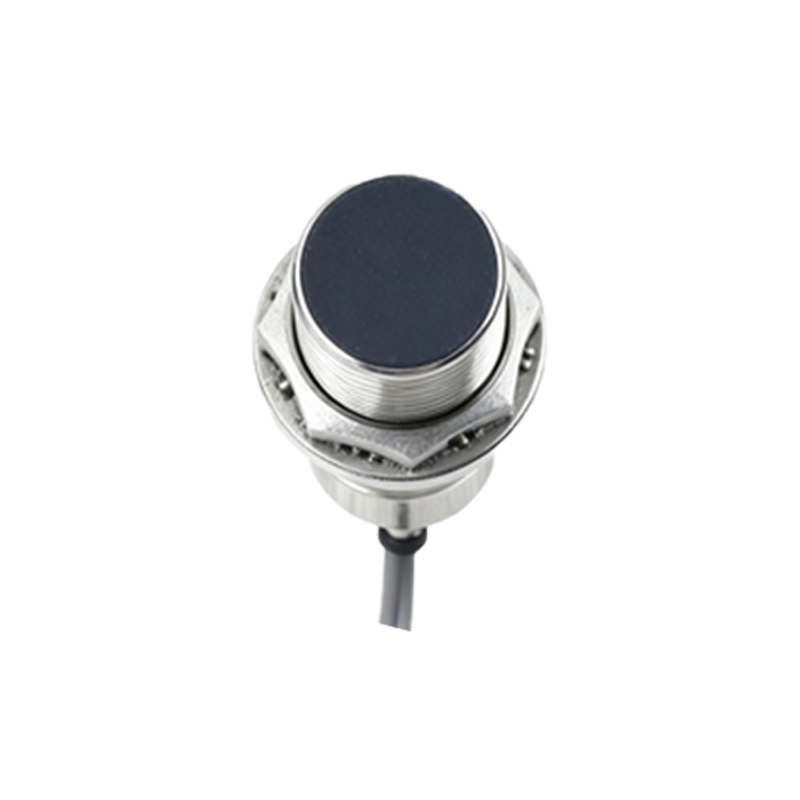
Standard capacitive proximity sensors operate by generating an electrostatic field. Any object entering this field alters its capacitance, triggering the sensor. The effectiveness of this change depends on the target's dielectric constant. Materials like metals or water have high constants, causing a strong, easily detectable shift. Glass, however, along with many polymers like polyethylene or polypropylene, possesses a very low dielectric constant. The resulting capacitance change is minuscule, leading to inconsistent detection, extremely short sensing ranges, and high susceptibility to environmental interference such as humidity, dust, or contamination on the sensor face. Relying on standard capacitive sensors for such tasks often results in false triggers, missed detections, and costly production downtime.
Specialized High-Frequency Capacitive Sensors
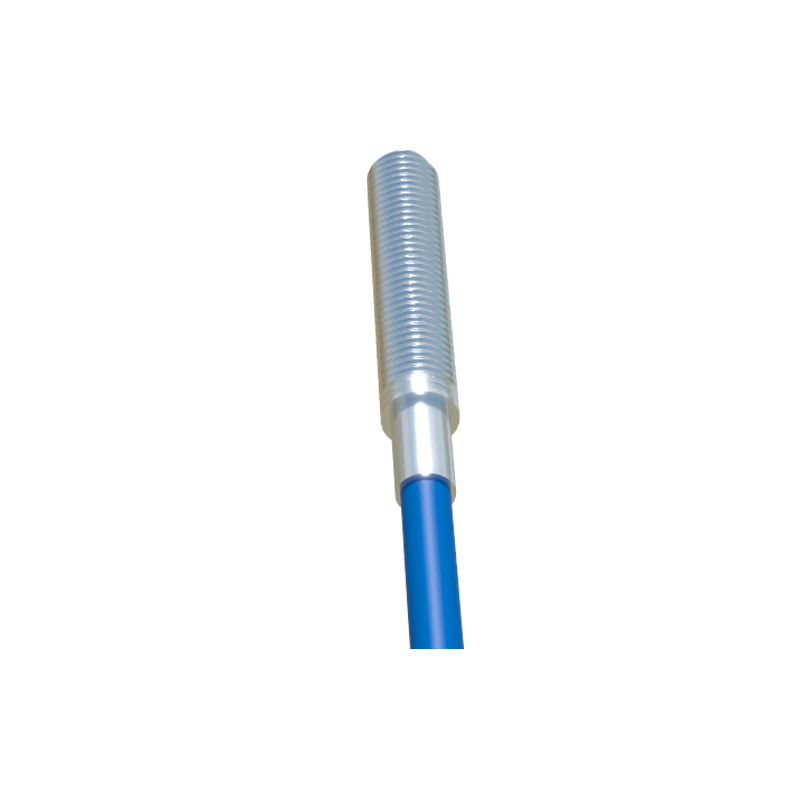
To overcome these limitations, specialized high-frequency capacitive sensors have been engineered. These devices operate at significantly higher oscillation frequencies compared to their standard counterparts. This enhanced frequency allows the sensor's electrostatic field to be more sensitive to minute changes in capacitance. While the absolute change caused by low-dielectric materials remains small, the high-frequency system can detect these subtle variations more reliably. Furthermore, these sensors often incorporate advanced algorithms and shielding techniques to differentiate between the actual target and background environmental noise. They are specifically calibrated for materials like thin glass, foils, and specific plastics, offering a more stable and predictable, albeit still relatively short, sensing distance.
Ultrasonic Sensors as a Robust Alternative
For many non-glass detection applications, ultrasonic proximity sensors present a superior and more robust solution. These sensors work on the principle of echolocation: emitting high-frequency sound pulses and measuring the time taken for the echo to return. Since they detect the physical presence and distance of an object based on sound wave reflection, the material's electrical or dielectric properties become irrelevant. Whether the target is glass, plastic, cardboard, or a liquid level, an ultrasonic sensor will detect it consistently, provided the surface is sufficiently sound-reflective. They offer longer sensing ranges, are unaffected by color or transparency, and perform well in dusty or steamy environments where optical sensors might fail.
Application-Specific Solutions and Best Practices
Selecting the right sensor requires a detailed analysis of the application. For detecting empty glass bottles on a high-speed filling line, a specialized high-frequency capacitive sensor with a narrow field might be ideal for close-range, container-specific checks. For monitoring the presence of plastic caps on bottles, a diffuse-reflective photoelectric sensor might be suitable if environmental light is controlled. However, for verifying the fill level of a transparent liquid in a glass or plastic tank, an ultrasonic sensor is typically the most reliable choice. Key installation practices include ensuring a stable mounting to avoid vibration, minimizing the sensor's exposure to rapid temperature swings, and carefully adjusting sensitivity to ignore the container wall while detecting the contents, a process known as background suppression in ultrasonic sensors.
Conclusion and Technological Outlook
The challenge of detecting non-conductive, low-dielectric materials like glass is met with targeted technological solutions. While advanced capacitive sensors push the boundaries of sensitivity, ultrasonic sensing technology often provides the definitive answer for reliability and versatility in harsh industrial settings. The future points towards smarter sensors with integrated IO-Link communication, which provide not just a switching signal but detailed diagnostic data about the sensing environment and target consistency. This enables predictive maintenance and finer process control, ensuring that even the most challenging detection tasks in packaging, food and beverage, pharmaceutical, and chemical industries are performed with unwavering accuracy and efficiency.