Understanding Photoelectric Sensor Functionality
Photoelectric sensors are critical safety components for high-speed industrial doors, acting as non-contact detection devices. They typically consist of a transmitter, which emits a beam of light (often infrared), and a receiver. When an object or person interrupts this beam, the sensor sends a signal to the door control system to stop or reverse the door's closing motion, preventing accidents and damage. For high-speed doors, which operate at velocities exceeding 1 meter per second, the sensor's response time, range, and reliability are paramount. These sensors must detect obstacles instantaneously to ensure safety in fast-paced environments like warehouses, loading docks, and manufacturing facilities. The core technology can be based on through-beam, retro-reflective, or diffuse reflection principles, each with different performance characteristics and cost implications.
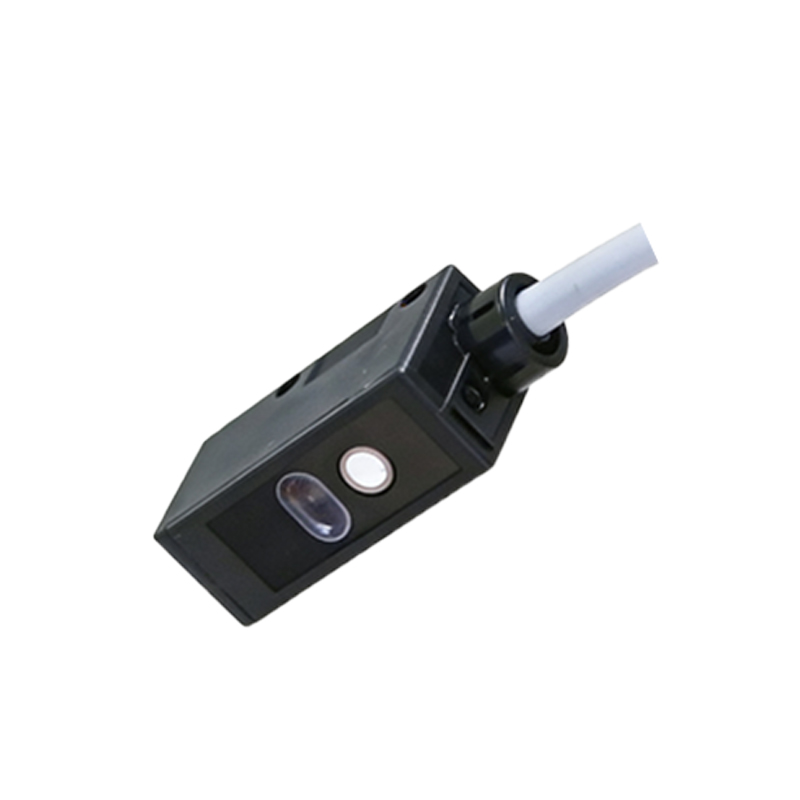
Key Factors Influencing Sensor Pricing
The cost of a photoelectric sensor for a high-speed door is not a single figure but a range determined by several technical and commercial factors. First, the sensing range is a primary driver; long-range sensors capable of detecting objects at 10 meters or more are significantly more expensive than short-range models. Second, the type of sensing mode plays a role. Through-beam sensors (separate emitter and receiver) offer the longest range and highest reliability but require two units and precise alignment, increasing cost. Retro-reflective types use a single unit and a reflector, offering a good balance. Diffuse sensors are the simplest but have shorter ranges. Third, environmental ratings like IP67 or NEMA 4X for dust and water resistance add cost. Fourth, advanced features like background suppression, adjustable sensitivity, muting functions for pallet detection, and diagnostic LEDs increase the price. Finally, the brand reputation and certification standards (e.g., CE, UL) contribute to the final cost.
Typical Price Ranges in the Market
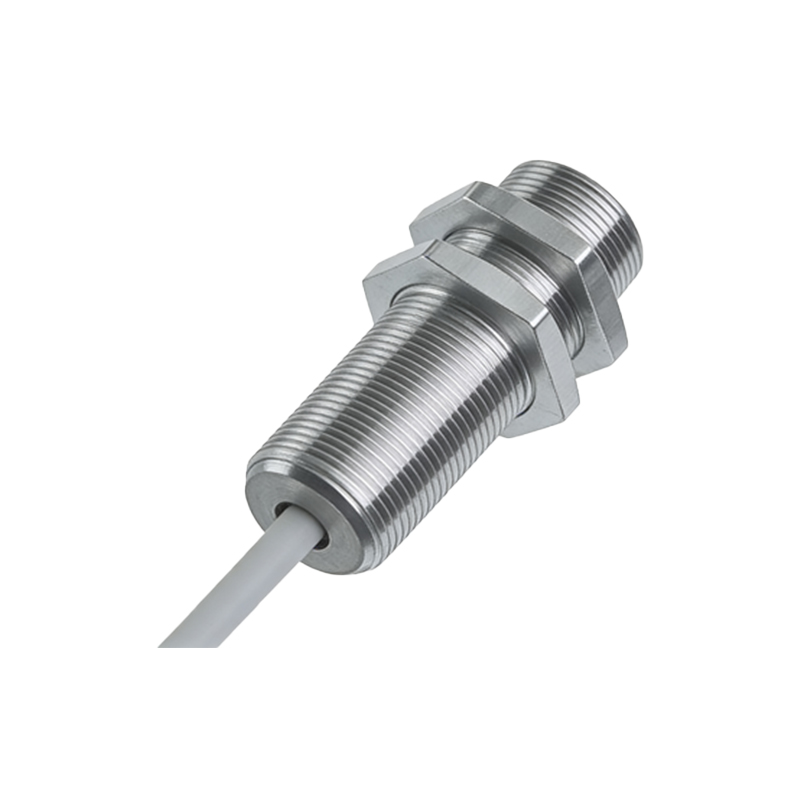
Providing a precise price is challenging due to the variables, but we can outline typical brackets for the sensor units themselves, excluding installation. Basic, short-range diffuse reflective sensors for less demanding applications can start from as low as $50 to $150 per unit. Mid-range retro-reflective or through-beam sensors with moderate range (up to 5m) and good environmental sealing typically fall in the $150 to $400 range per set (emitter and receiver for through-beam). High-performance sensors designed specifically for high-speed doors, featuring long-range (10m+), ultra-fast response times (<1ms), robust housing (IP69K), and advanced safety certifications (e.g., SIL2/PLd), can range from $400 to over $1,000 per system. It is crucial to remember that these are component costs. For a complete safety system, additional expenses for safety relays, control system integration, mounting hardware, and professional installation must be factored in.
Cost Comparison: Standalone vs. Integrated Systems
Many high-speed door manufacturers offer integrated safety packages that include photoelectric sensors. While the upfront cost of these packages may seem higher, they often provide better value and reliability. An integrated system ensures the sensors are perfectly compatible with the door's motor and controller, are pre-configured, and come with a unified warranty. Troubleshooting is also simpler. Purchasing a standalone, generic sensor might save on initial hardware cost but can lead to compatibility issues, increased installation time, and potential voiding of the door manufacturer's warranty. The total cost of ownership (TCO) for an integrated system is frequently lower when considering reliability, maintenance, and downtime. For critical applications, the investment in a certified, integrated safety system is strongly recommended over a piecemeal approach.
The Importance of Installation and Maintenance
The performance and longevity of a photoelectric sensor are heavily dependent on correct installation and regular maintenance, which are indirect costs. Improper alignment, mounting on a vibrating surface, or exposure to harsh chemicals not accounted for can lead to frequent false trips or failures, incurring downtime and repair costs. Professional installation by a qualified technician ensures optimal positioning, alignment, and integration. Maintenance involves regular cleaning of lenses and reflectors, checking for physical damage, and verifying the alignment and function. While these are ongoing costs, they are minimal compared to the cost of an accident or a damaged door panel. Budgeting for periodic professional inspection is a wise operational expense.
Making a Cost-Effective Purchase Decision
Selecting the right photoelectric sensor involves balancing performance requirements with budget. Start by conducting a thorough risk assessment of the door's location and usage. Determine the necessary sensing range, required safety level, and environmental conditions. Request quotes from reputable high-speed door manufacturers for integrated solutions and compare them with quotes from industrial automation suppliers for component-level sensors and integration labor. Always prioritize sensors with appropriate safety ratings for the application. Do not compromise on quality for the sake of a lower upfront price; a reliable sensor is a critical investment in safety and operational continuity. Consider the total lifecycle cost, including potential downtime, to make the most economically sound decision for your facility.