Introduction to Proximity Sensing
Proximity sensors are vital components in modern industrial automation and electronic systems. These non-contact devices detect the presence or absence of an object within a defined sensing range without any physical contact. Their operation hinges on various physical principles, primarily electromagnetic fields, capacitance, or light. This fundamental characteristic eliminates mechanical wear and tear, enabling high reliability and long operational life in demanding environments. From assembly lines and robotic arms to consumer electronics and automotive systems, proximity sensors provide the essential "sense of touch" for machines, facilitating precise control, safety interlocks, and object counting. Their ability to function in harsh conditions—resisting dust, moisture, and vibration—makes them indispensable for Industry 4.0 applications.
Non-Contact Operation
The most defining feature of a proximity sensor is its non-contact detection capability. Unlike mechanical limit switches that require physical actuation, proximity sensors generate a sensing field. When a target object enters this field, it causes a detectable change in the sensor's internal state, triggering an output signal. This absence of physical contact prevents sensor damage from repeated impact and eliminates issues like bounce or friction. Consequently, it allows for extremely high-speed operation, detecting objects at rates far beyond the capability of mechanical devices. This feature is crucial in high-speed packaging, sorting, and manufacturing processes where milliseconds count and mechanical wear is unacceptable.
High Reliability and Long Service Life
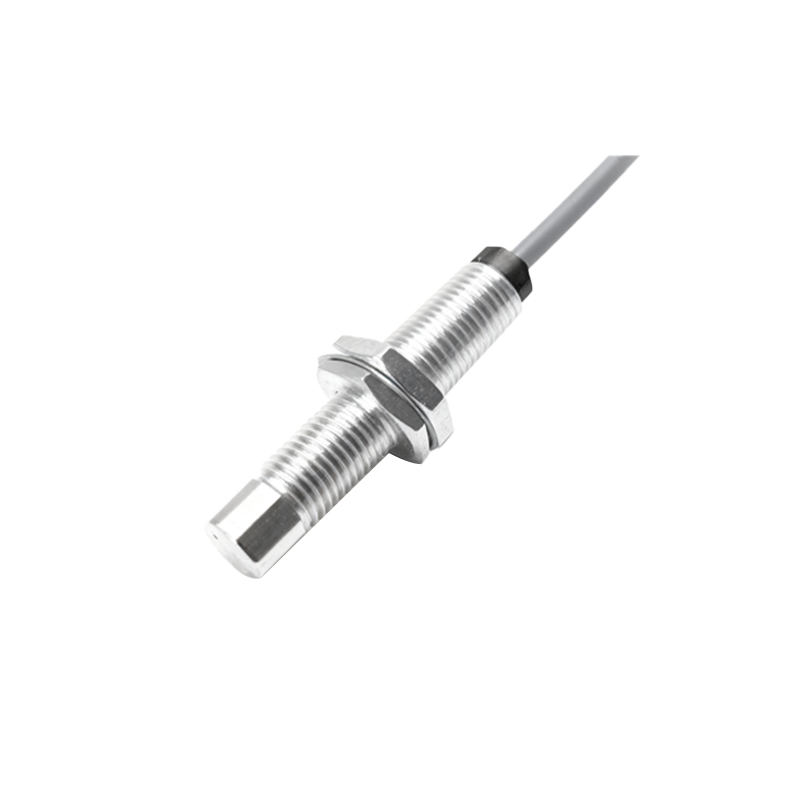
Due to the lack of moving parts subject to mechanical stress, proximity sensors exhibit exceptional reliability and durability. Their solid-state construction is inherently robust against shock, vibration, and continuous cycling. The sensing face is typically encapsulated in materials like PBT or nickel-plated brass, offering high resistance to chemicals, oils, and coolants commonly found in industrial settings. This resilience translates to minimal maintenance requirements and a dramatically extended service life compared to contact-based alternatives. Downtime for sensor replacement is significantly reduced, contributing to higher overall equipment effectiveness (OEE) and lower total cost of ownership for automated systems.
Environmental Resistance
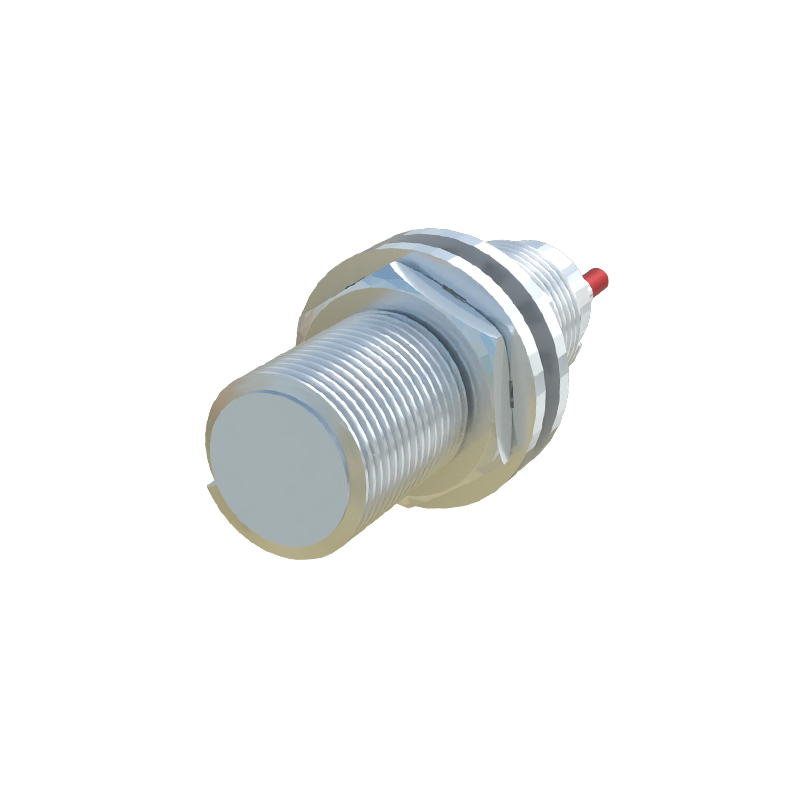
Engineered for challenging operational environments, proximity sensors boast impressive environmental specifications. Many models conform to IP67, IP68, or IP69K ingress protection ratings, meaning they are protected against dust ingress and can withstand immersion in water under specified conditions. They can operate reliably across a wide temperature range, often from -25°C to 70°C or beyond. Furthermore, they are designed to be immune to common industrial interference, such as electrical noise from motors or welders, and certain types can detect specific metals while ignoring others. This stability ensures consistent performance in applications ranging from food and beverage processing to heavy machinery and outdoor installations.
Fast Response Speed and High Switching Frequency
Proximity sensors offer extremely fast response times, typically measured in microseconds or milliseconds. This allows them to detect objects passing at very high speeds. Coupled with a high switching frequency—the number of on/off cycles per second—they are ideal for precision tasks like counting small, fast-moving parts on a conveyor, monitoring rotor speed, or controlling the position of high-velocity actuators. The swift and precise response is a key enabler for modern high-throughput automation, ensuring processes remain synchronized and efficient without missing detection events.
Variety of Sensing Principles and Outputs
The term "proximity sensor" encompasses several technologies, each with distinct characteristics. Inductive sensors detect metallic objects, primarily ferrous metals like steel. Capacitive sensors can detect both metallic and non-metallic materials (plastics, wood, liquids) by sensing changes in capacitance. Ultrasonic sensors use sound waves to measure distance to an object. Photoelectric sensors utilize light beams. This variety allows engineers to select the optimal technology for the target material and application requirements. Additionally, sensors come with diverse output configurations, including DC NPN/PNN, analog current/voltage, and IO-Link digital communication, providing seamless integration into various control systems.
Compact and Versatile Design
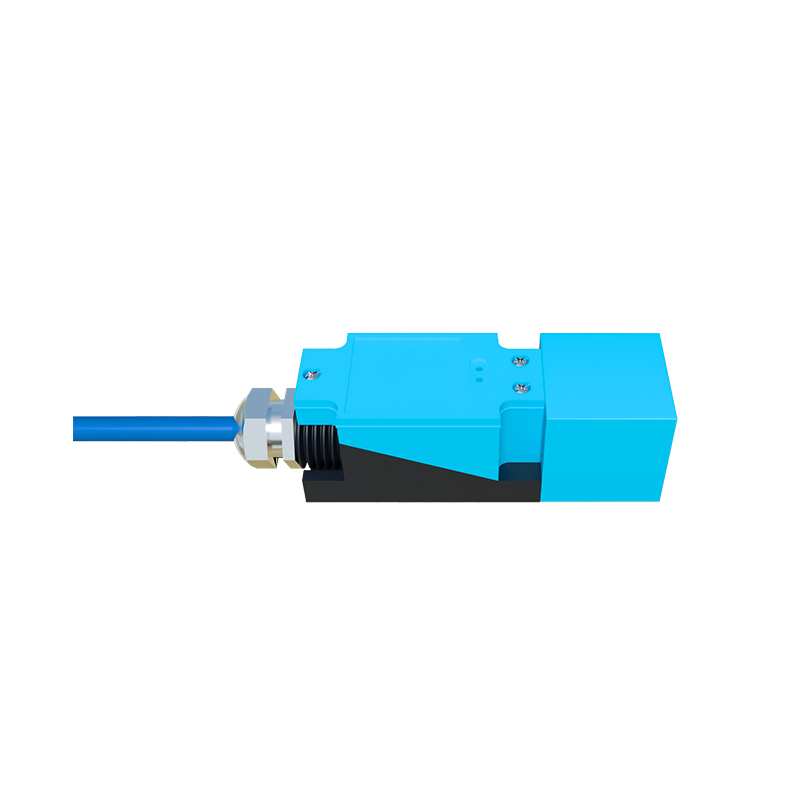
Modern proximity sensors are available in an extensive array of form factors, from miniature cylindrical models (e.g., M5, M8, M12) to rectangular block-style and ring-shaped variants. This compactness allows for installation in space-constrained locations. Their versatility is further enhanced by embeddable and non-embeddable designs, different sensing ranges, and various housing materials. This design flexibility ensures that a suitable sensor can be found for virtually any application, whether it involves detecting a gear tooth, monitoring fluid levels in a tank, or ensuring operator safety by sensing hand presence in a hazardous zone.
Conclusion and Application Spectrum
In summary, the core characteristics of proximity sensors—non-contact operation, high reliability, environmental robustness,