The Essence of Integrity in Sensor Technology
In the realm of industrial automation, the term "integrity" transcends mere ethical business conduct. For photoelectric sensors, it represents the fundamental promise of consistent, accurate, and truthful performance. An "integrity photoelectric sensor" is engineered to deliver precisely what its specifications declare, under the declared conditions, for its declared lifespan. This core principle is non-negotiable in critical applications, from pharmaceutical packaging lines to automotive assembly robots, where a single false signal can trigger catastrophic downtime, product waste, or safety incidents. The integrity of these devices is built upon a triad of unwavering design philosophy, rigorous manufacturing validation, and transparent performance data. It is this holistic commitment that transforms a simple optical component into a trusted sentinel within a control system.
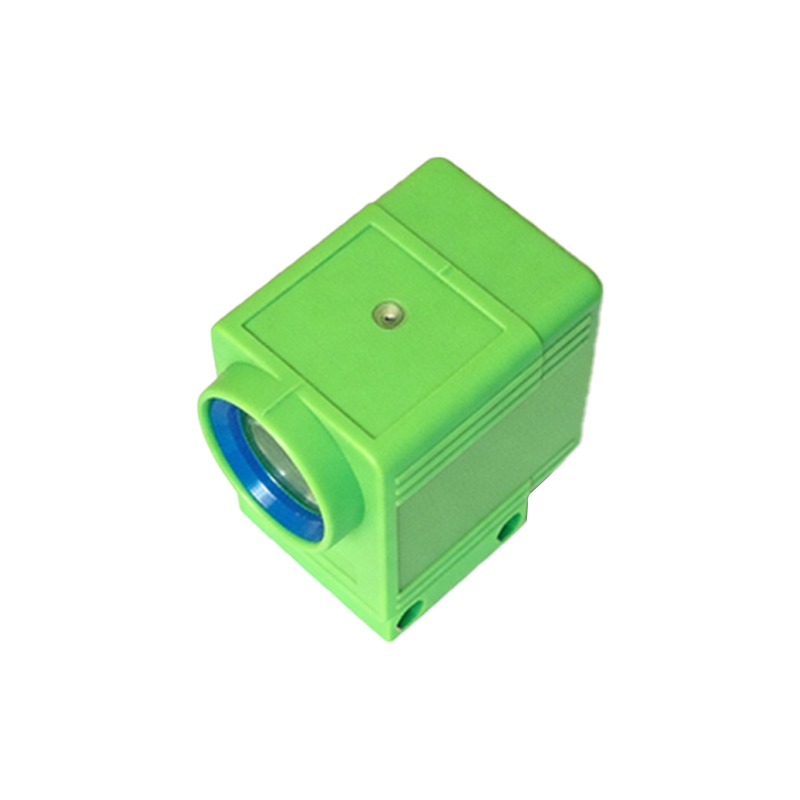
Engineering for Uncompromising Accuracy and Stability
The journey of integrity begins at the component level. High-grade optical elements, precision-machined housings, and robust electronic circuits form the physical bedrock. Advanced designs incorporate features like temperature compensation circuits to maintain detection stability across environmental fluctuations, from freezing cold storage to scorching foundries. The selection of light sources—be it precise red LED, powerful infrared, or laser—is matched to the application's demands with rigorous honesty regarding their range, resolution, and susceptibility to ambient light. Furthermore, integrity is demonstrated through clear, non-exaggerated specifications for sensing distance, response time, and environmental ratings (IP, NEMA). A sensor claiming an IP67 rating must genuinely withstand dust ingress and temporary immersion, not just resist splashes. This engineering honesty ensures system designers can integrate the sensor with confidence, eliminating guesswork and over-engineering.
The Critical Role of Manufacturing and Quality Assurance
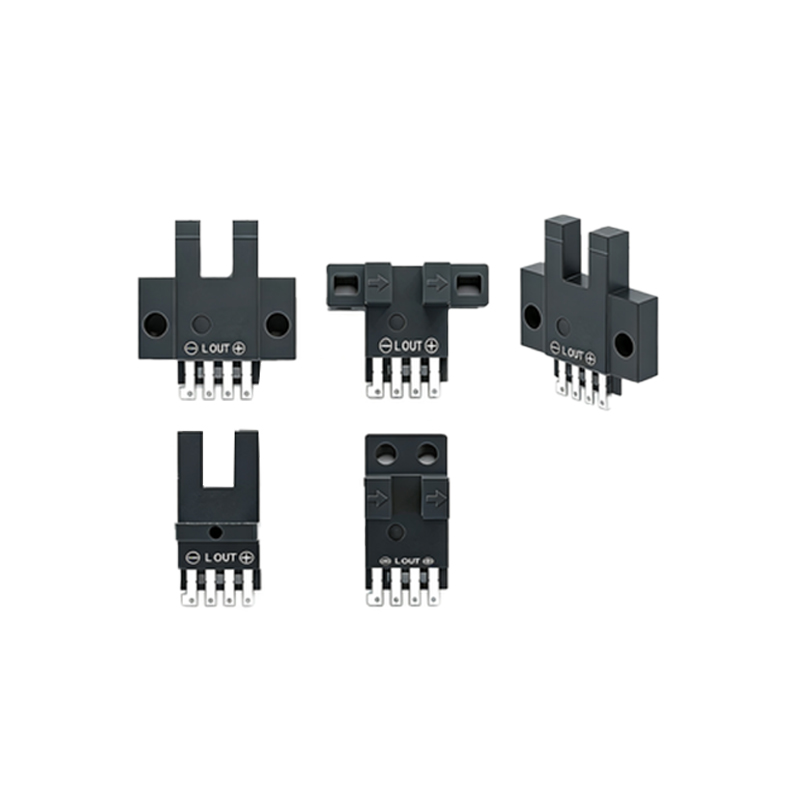
Integrity cannot be bolted on as an afterthought; it must be baked into the manufacturing process. Reputable manufacturers implement stringent quality control protocols, including 100% functional testing of every unit that leaves the production line. This involves verifying switch points, output signals, and response times against tight tolerances. Accelerated life testing (ALT) and highly accelerated life testing (HALT) are employed to simulate years of operational stress in a condensed timeframe, uncovering potential failure modes and validating the claimed mean time between failures (MTBF). Traceability is another pillar of integrity: each sensor should have a unique identifier, allowing its production batch, test results, and component sources to be traced. This level of transparency is crucial for root cause analysis in the rare event of a field failure and builds long-term trust with end-users.
Transparent Data and Real-World Performance
Beyond the datasheet, integrity is reflected in the clarity and completeness of technical documentation. This includes detailed timing diagrams, load characteristic curves, and comprehensive application notes that frankly discuss limitations—such as the challenges of detecting clear glass or shiny surfaces—and provide verified solutions. The performance gap between ideal laboratory conditions and harsh industrial reality must be openly addressed. For instance, the effective sensing range for a diffuse sensor on a black rubber tire will differ from its test result on a white reference card. Manufacturers with integrity provide correction factors, selection guides, and simulation tools to bridge this gap, empowering engineers to make informed decisions. This transparency prevents application mismatches and ensures the sensor performs as expected in the actual operating environment.
Integrity as a Long-Term Partnership with the User
Ultimately, the integrity of a photoelectric sensor is proven over its entire service life. It encompasses reliable performance after millions of switching cycles, consistent availability of technical support, and the responsible management of the product lifecycle. This includes clear communication regarding obsolescence timelines and migration paths to newer models. When a manufacturer stands behind its products with comprehensive warranties and readily available spare parts, it demonstrates a commitment that extends beyond the initial sale. In today's interconnected Industry 4.0 landscape, integrity also means cybersecurity. Sensors with communication interfaces must be designed with secure protocols to prevent unauthorized access and data manipulation, protecting the integrity of the entire automation network. Choosing a sensor from a manufacturer with a proven track record of integrity is an investment in system uptime, operational safety, and total cost of ownership.