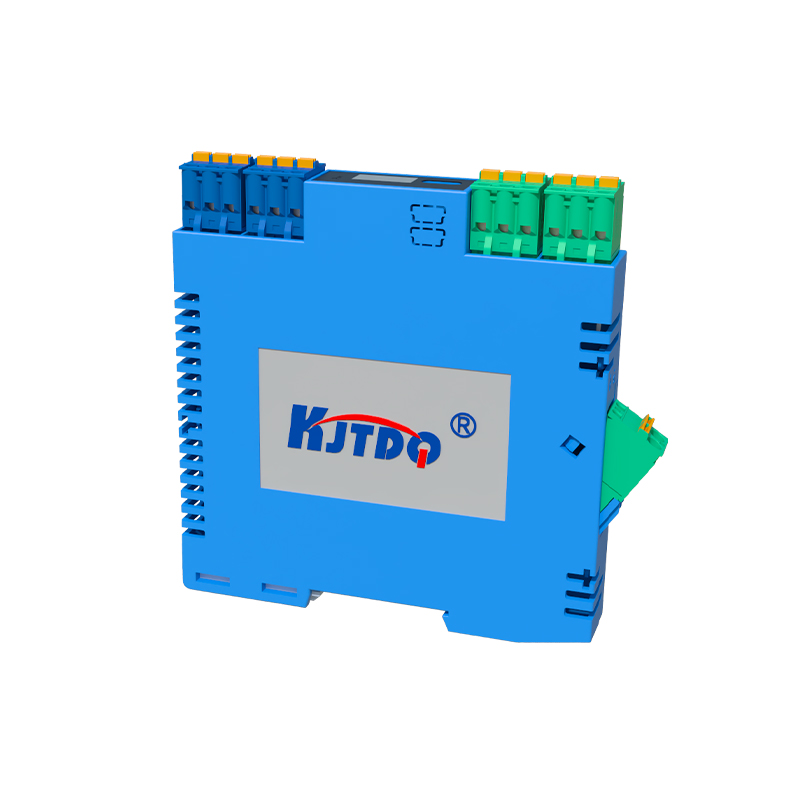
In the realm of industrial automation, safety systems, and smart devices, the ability to detect human presence reliably and non-invasively is paramount. PR (Passive Infrared) proximity sensors, often simply called PIR sensors, have emerged as a cornerstone technology for this purpose. Unlike active sensors that emit energy, such as ultrasonic or microwave sensors, PIR sensors are passive detectors. They work by sensing the infrared radiation (heat) emitted by all objects with a temperature above absolute zero. The human body, being a consistent source of infrared radiation, becomes a clear target for these sensitive devices.
The core component of a PR proximity sensor is a pyroelectric sensor element, typically made of a crystalline material that generates a temporary electrical voltage when exposed to changes in infrared radiation. This is a crucial detail: a standard PIR sensor does not detect static heat; it detects changes in the infrared energy pattern within its field of view. When a warm human body moves into the detection zone, the sensor perceives a change in the IR landscape and triggers an output signal. This principle makes them exceptionally good at distinguishing moving humans from stationary background heat.
Modern PR sensors are far more sophisticated than simple motion detectors. They are often paired with Fresnel lenses or mirror optics. These optical components fracture the sensor's field of view into multiple distinct zones—a series of blind and sensitive areas. As a person moves, they pass through these zones, causing a sequential change in the infrared signal that the pyroelectric element interprets as motion. Advanced sensors utilize multi-segment elements and digital signal processing to analyze the pattern of change, improving accuracy and reducing false triggers from pets, sunlight, or heating vents.
The applications for PR human proximity sensors are vast and growing. In building automation, they are ubiquitous for lighting control, automatically turning lights on in occupied rooms and off when vacant, leading to significant energy savings. In security systems, they form the first line of detection for intruder alarms. In retail and public spaces, they can trigger welcome messages, count foot traffic, or activate digital signage. A critical and sensitive application is in industrial safety, where they can create presence-sensing fields around dangerous machinery, ensuring operators are at a safe distance before a machine cycle begins.
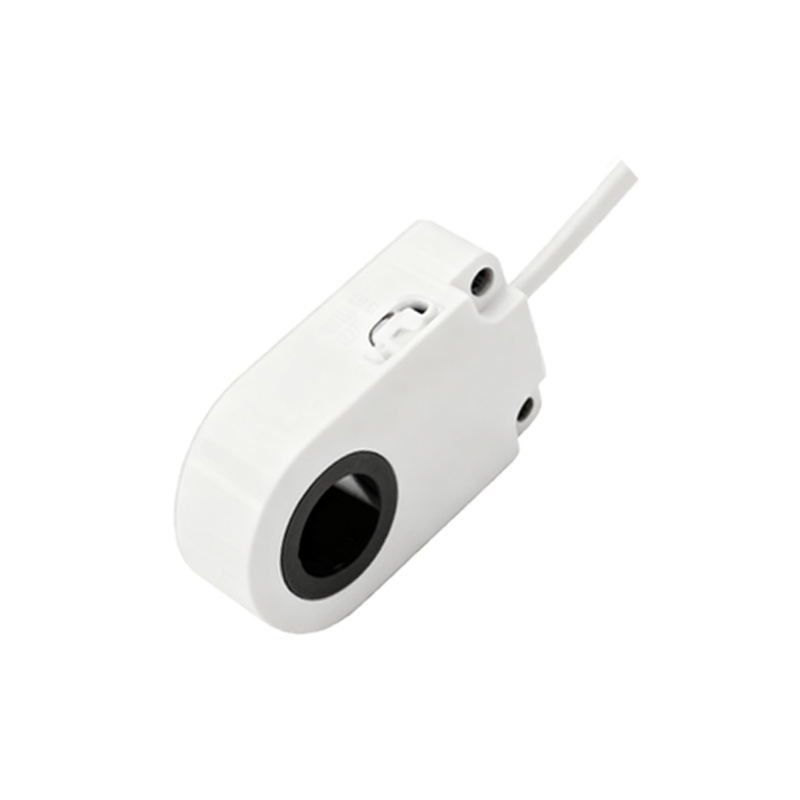
When integrating a PR sensor, several environmental factors must be considered. The sensor's range and coverage pattern must match the application. While effective, their "line-of-sight" operation can be obstructed by non-transparent materials. Extreme ambient temperature shifts can sometimes cause instability, though advanced models compensate for this. Furthermore, very slow movement might not generate a sufficient IR change to be detected. Therefore, for applications requiring detection of completely stationary presence, a dual-technology sensor combining PIR with another method (like microwave) is often recommended.
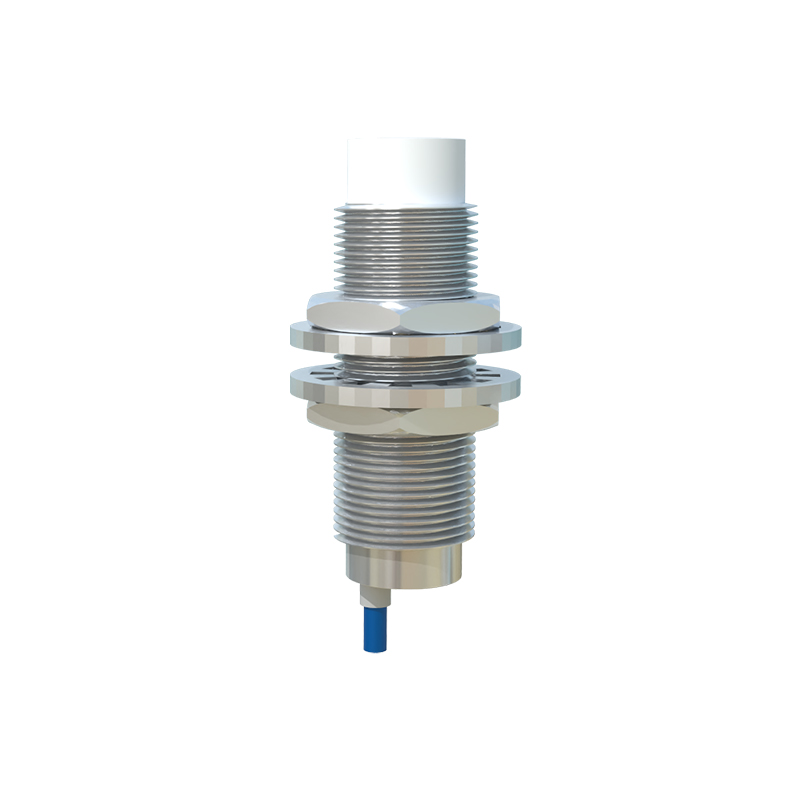
The evolution of PR sensor technology continues. Miniaturization and lower power consumption have made them ideal for battery-operated IoT devices and smart home gadgets. Integration with microcontrollers and wireless communication modules (like Wi-Fi or Bluetooth) allows for smart, connected systems that can notify users or trigger complex automation routines based on human presence. With the rise of smart cities and increased focus on energy efficiency and safety, the humble PR proximity sensor remains a vital, reliable, and cost-effective solution for human detection. Its passive nature, low power draw, and proven reliability ensure it will continue to be a fundamental component in automated and intelligent environments for the foreseeable future.