In the realm of industrial automation and precision engineering, the demand for accurate, reliable, and durable sensing solutions is paramount. High-end metal proximity sensors stand at the forefront of this demand, offering unparalleled performance in detecting the presence or absence of metallic objects without any physical contact. These sophisticated devices are engineered to excel in challenging environments where standard sensors might falter, providing critical data for control systems in manufacturing, robotics, automotive, and aerospace applications.
The core technology behind these sensors often involves high-frequency oscillation or electromagnetic induction principles. When a metallic object enters the sensor's active field, it causes a change in oscillation amplitude or induces eddy currents. This disturbance is meticulously detected by the sensor's internal circuitry, triggering a clean, swift output signal. What distinguishes high-end models is their exceptional sensitivity, stability, and noise immunity. They are meticulously calibrated to detect specific metals—such as steel, aluminum, or copper—at precise distances, known as the sensing range, with minimal variance due to temperature fluctuations or electrical interference.
Construction quality is a definitive feature. Premium metal proximity sensors are housed in robust, often stainless steel or nickel-plated brass bodies, providing superior resistance to mechanical stress, corrosion, and harsh chemicals. This ruggedness ensures longevity in settings like machining centers, welding lines, or outdoor installations. The internal components are equally resilient, designed for millions of reliable switching cycles. Many high-end variants also feature advanced sealing technologies, achieving IP67, IP68, or even IP69K ratings, making them impervious to dust, high-pressure water jets, and temporary immersion.

Beyond basic detection, modern high-end sensors integrate intelligent functionalities. Key advancements include:
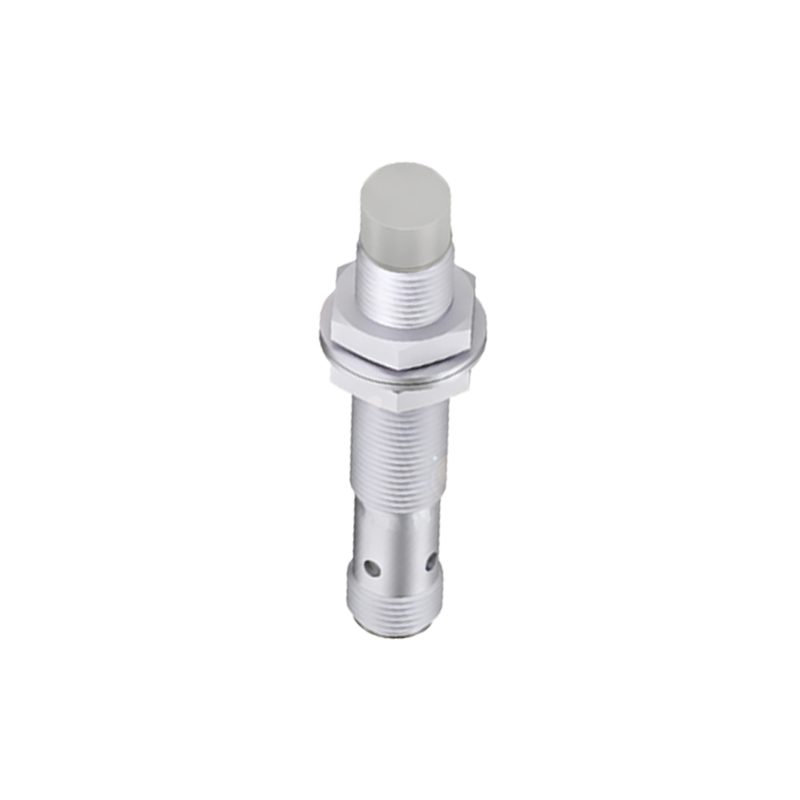
Enhanced Diagnostics: Built-in IO-Link communication allows for continuous parameter monitoring, predictive maintenance alerts, and remote configuration. Operators can monitor operating hours, temperature, and signal strength, preventing unexpected downtime.
Precision Tuning: Features like teach-in functions or potentiometers enable fine-tuning of the switching point and hysteresis directly on the application, optimizing performance for specific tasks.
Specialized Designs: Cylindrical, rectangular, or ring-shaped form factors cater to diverse mounting constraints. Furthermore, models are available with extended sensing ranges, high-temperature tolerance (exceeding 100°C), or exceptional resistance to welding spatter and strong electromagnetic fields.
The application spectrum is vast and critical. In automated assembly lines, they ensure components are correctly positioned before a robotic weld. In CNC machinery, they serve as precise tool breakage detectors or part presence verifiers. Within the automotive industry, they monitor robotic arm positions and verify metal parts in paint shops or engine assembly. Their speed and reliability are crucial for high-cycle counting tasks in packaging or material handling.
Selecting the right high-end metal proximity sensor requires careful consideration of several parameters: the target metal type, required sensing distance, environmental conditions (temperature, contaminants), electrical output type (PNP/NPN, analog, IO-Link), and supply voltage. Consulting technical datasheets and, when necessary, application engineers is essential to match the sensor's capabilities with the process demands.
In conclusion, high-end metal proximity sensors are not merely components but enablers of efficiency, safety, and quality in modern industry. Their precision engineering, rugged construction, and smart features translate into reduced waste, minimized machine downtime, and enhanced system intelligence. As industries continue to push the boundaries of automation and data integration, these sensors will remain indispensable tools, evolving to meet even more stringent requirements for accuracy and connectivity in the smart factories of the future.