Introduction to N35 Proximity Sensor
The N35 proximity sensor represents a widely adopted model in industrial automation, known for its robust performance in non-contact detection applications. This inductive sensor is engineered to detect metallic objects with high precision and reliability. Its design typically incorporates a cylindrical housing, often in M12, M18, or M30 threading, making it suitable for integration into various machinery and control systems. The "N35" designation generally refers to a specific series or performance grade, indicating a standard sensing range and output configuration. These sensors operate on the principle of electromagnetic induction, where an oscillating circuit generates a high-frequency electromagnetic field at the active face. When a metallic target enters this field, eddy currents are induced, causing a change in the circuit's oscillation amplitude. This change is then processed to trigger a solid-state switching output. The N35 model is favored for its consistent operation in challenging industrial environments, including those with dust, moisture, and mechanical vibrations.
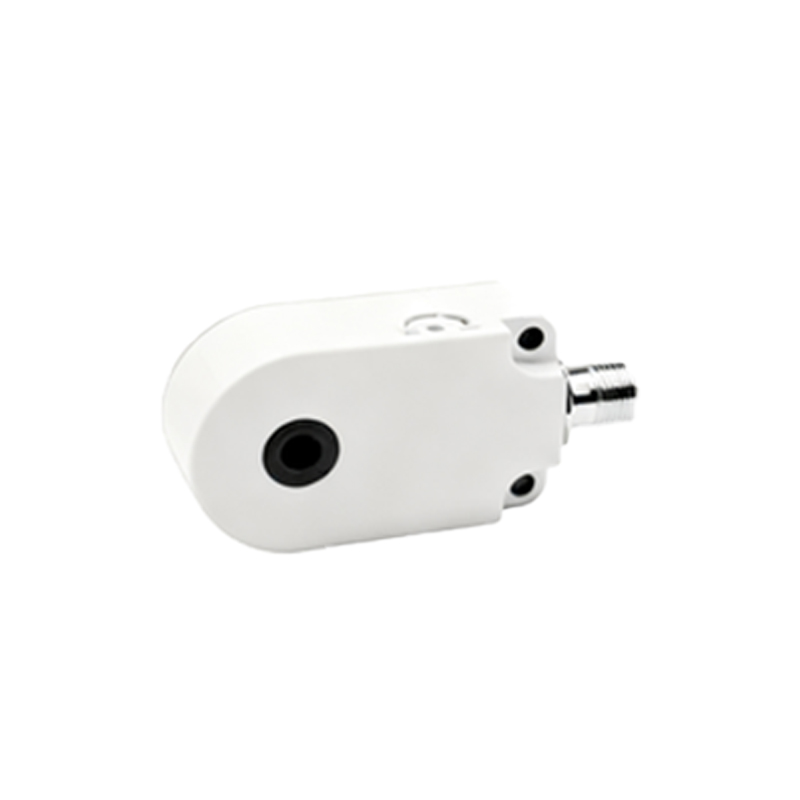
Key Electrical Parameters and Specifications
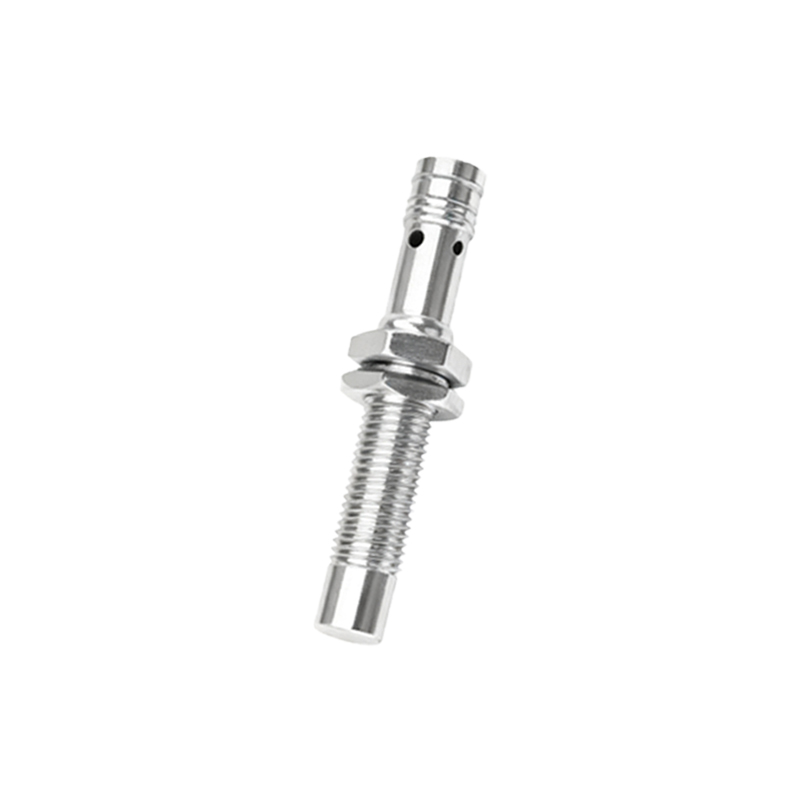
Understanding the detailed electrical parameters is crucial for proper selection and integration. The standard operating voltage for N35 series sensors typically ranges from 10-30V DC, with a nominal rating of 12-24V DC being most common. The output configuration is a critical parameter; it is commonly available as a PNP (sourcing) or NPN (sinking) transistor output. The load current capacity is usually up to 200mA, sufficient for driving relays, PLC inputs, or indicator lamps directly. The voltage drop across the sensor in the "on" state, known as the saturation voltage, is typically below 2.5V, ensuring minimal power loss. Another vital specification is the switching frequency, which denotes how quickly the sensor can respond to targets. For the N35, this frequency can range from 500 Hz to 5 kHz, depending on the specific variant, allowing for high-speed counting and positioning tasks. The sensors also feature short-circuit and reverse polarity protection, enhancing system durability.
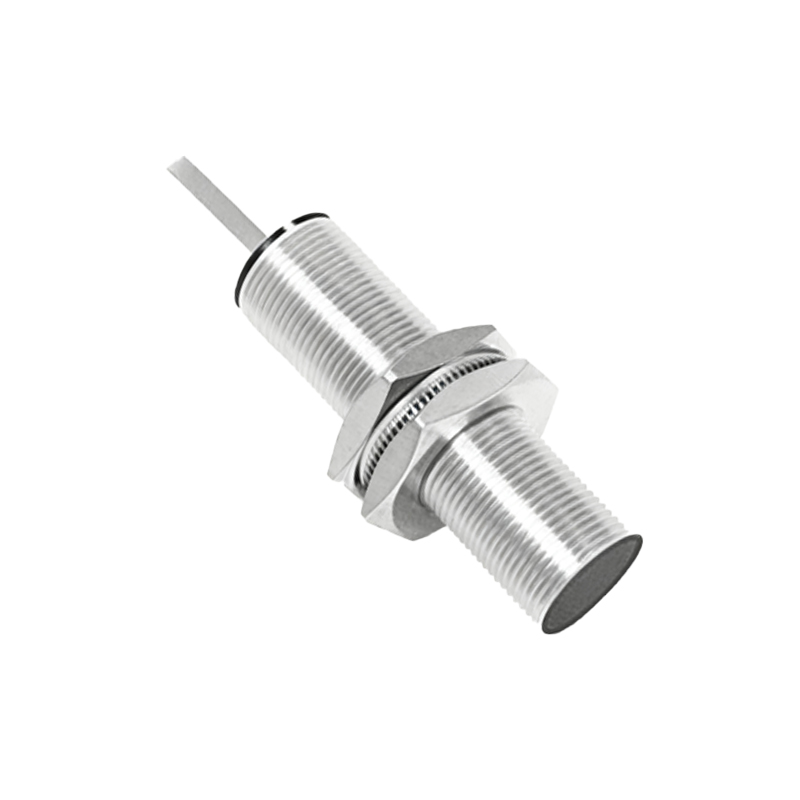
Sensing Range and Target Material Considerations
The rated sensing distance, denoted as Sn, is a fundamental performance metric. For a standard N35 model, this distance is often 2mm, 5mm, or 8mm. It is essential to note that this nominal range is defined for a standard target made of mild steel (Fe360). The actual sensing distance can vary significantly with different target materials. For instance, the effective range for stainless steel is approximately 80-90% of the rated Sn, for aluminum it drops to about 40-50%, and for copper around 30-40%. This reduction factor must be accounted for during application design. Furthermore, the sensor's performance is characterized by a hysteresis value, typically 3-15% of Sn, which prevents output chatter when a target is at the edge of the sensing field. The repeat accuracy, often within 2% of Sn, ensures consistent detection point across multiple operations.
Environmental and Mechanical Specifications
The N35 proximity sensor is built to withstand harsh industrial conditions. Its housing is commonly constructed from nickel-plated brass or stainless steel (e.g., V2A/AISI 304), providing excellent resistance to corrosion and mechanical impact. The sensing face is usually made of a thermoplastic material like PBT or PPS, which is resistant to many chemicals. The protection rating is a key feature, with most models achieving at least IP67 (dust-tight and protected against temporary immersion in water). Some variants may offer IP68 or IP69K ratings for more demanding washdown environments. The operating temperature range is typically between -25°C to +70°C, ensuring functionality in both cold storage and hot manufacturing areas. Vibration resistance is usually up to 30g, and shock resistance up to 100g, guaranteeing stable operation on moving machinery.
Output State Indication and Wiring
Most N35 sensors include a built-in LED status indicator. This LED illuminates (often in yellow or green) when the sensor is powered and a target is within the sensing range, providing immediate visual feedback for setup and troubleshooting. The wiring interface is straightforward, typically involving a 2-meter PVC or PUR cable or a quick-disconnect (M12 connector) variant. The standard cable color coding is brown for positive supply (+V), blue for negative/common (0V), and black for the switched output signal. For a 3-wire DC sensor, correct connection is vital: for a PNP type, the load is connected between the black output wire and the blue common wire; for an NPN type, the load is connected between the black output wire and the brown positive wire. Adherence to this wiring scheme is essential for