Introduction to Photoelectric Sensor Mounting
In the realm of industrial automation, the precise and stable mounting of photoelectric sensors is not merely a mechanical consideration; it is a fundamental prerequisite for operational integrity. These sensors, which detect the presence, absence, or distance of objects using a light transmitter and receiver, are critical components in countless applications, from packaging lines and material handling to robotic assembly and safety systems. Even the slightest unintended movement or vibration-induced shift in a sensor's alignment can lead to false readings, missed detections, and ultimately, costly production downtime or quality defects. Therefore, the method of securing these devices transcends simple fastening and enters the domain of ensuring consistent, reliable data acquisition.
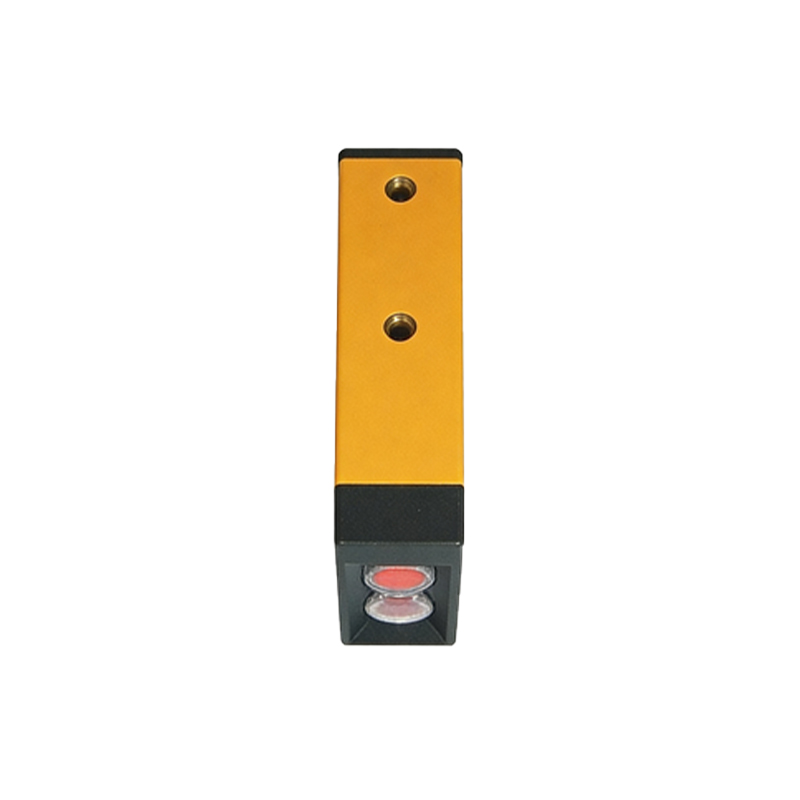
The Critical Role of Anti-Slip Bolts
This is where the specialized fastener known as the anti-slip bolt becomes indispensable. Unlike standard hex bolts or machine screws, anti-slip bolts are engineered with a unique feature: a serrated or toothed bearing surface directly under the bolt head. When tightened, these teeth bite into both the mounting bracket and the sensor's housing or base, creating a powerful mechanical lock. This design effectively counteracts the forces of vibration, thermal cycling, and incidental impacts that are commonplace in industrial environments. The primary function is to prevent any rotational loosening or lateral creeping of the sensor after installation, thereby maintaining the exact optical alignment calibrated during setup.
Technical Design and Working Principle
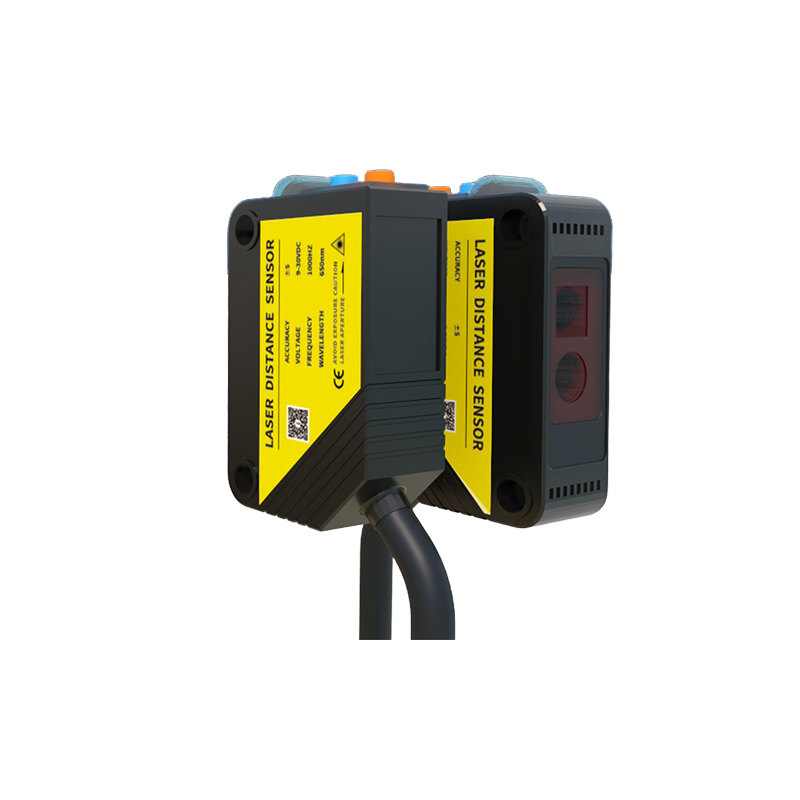
The efficacy of photoelectric sensor anti-slip bolts lies in their precise engineering. The serrations are typically hardened and precision-cut to provide maximum bite without causing excessive damage to the mounting surfaces, which are often made of aluminum or coated steel. The bolt itself is usually manufactured from high-strength steel with appropriate corrosion-resistant plating, such as zinc-nickel or geomet, to withstand harsh conditions. The working principle is straightforward but highly effective: as torque is applied, the serrations displace surface material slightly, creating a series of micro-interlocks. This dramatically increases the frictional resistance against both rotational and shear forces, effectively "welding" the assembly in place through mechanical means without the need for secondary locking devices like washers or thread-locking adhesives.
Key Advantages in Industrial Applications
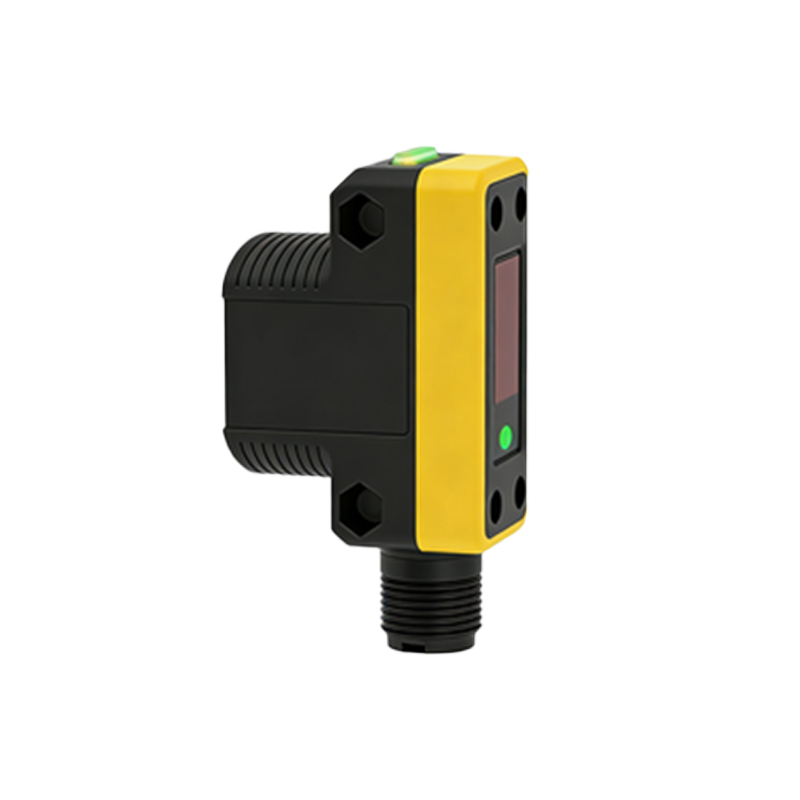
The implementation of these specialized fasteners offers several tangible benefits. First and foremost is enhanced reliability. By eliminating vibration-induced loosening, they ensure the photoelectric sensor maintains its performance specifications over extended periods, reducing maintenance interventions. This leads directly to increased system uptime and productivity. Secondly, they contribute to improved accuracy. Consistent mounting eliminates drift in detection points, which is crucial for high-precision positioning and measurement tasks. Furthermore, they often simplify installation and inventory, as a single anti-slip bolt can replace a standard bolt plus a lock washer or other retaining element, streamlining the bill of materials.
Selection Criteria and Installation Best Practices
Selecting the correct anti-slip bolt requires careful consideration. Key parameters include the bolt diameter and thread pitch (e.g., M4, M5, M6, 1/4"-20), which must match the sensor's mounting hole and the tapped hole in the bracket. The length must be sufficient to achieve proper thread engagement without bottoming out. Material and coating should be chosen based on the operating environment—stainless steel options are available for highly corrosive or washdown areas. During installation, it is vital to follow the manufacturer's recommended torque value. Under-tightening fails to engage the serrations fully, while over-tightening may strip threads or damage the sensor housing. Using a calibrated torque wrench is considered a best practice to ensure optimal clamping force and serration engagement.
Conclusion: A Small Component with Major Impact
In conclusion, while photoelectric sensor anti-slip bolts may be small and often overlooked components, their role in safeguarding the precision and reliability of automation systems is profoundly significant. They represent a focused engineering solution to a pervasive challenge in industrial settings. By investing in and correctly applying these specialized fasteners, engineers and maintenance personnel can effectively mitigate a common source of sensor failure, thereby enhancing overall equipment effectiveness (OEE), ensuring product quality, and protecting valuable capital assets from the disruptions caused by alignment drift. Their use is a mark of thorough, detail-oriented system design.