Introduction to Slow Response Photoelectric Sensors
Slow response photoelectric sensors, often referred to as slow-sensing or long-response-time photoelectric sensors, represent a specialized category within industrial automation sensing technology. Unlike their high-speed counterparts designed for rapid detection on fast-moving production lines, these sensors are engineered for applications where the target object's movement is relatively slow, or where environmental conditions necessitate a deliberate sensing approach. The fundamental operating principle remains based on the emission of a light beam—typically infrared, visible red, or laser—and the detection of changes in the received light intensity caused by the presence, absence, or specific characteristics of an object. The defining characteristic is their intentionally adjusted response time, which can range from tens of milliseconds to several seconds, providing inherent filtering against transient disturbances such as dust, light splash, or minor vibrations that might otherwise cause false triggering in sensitive environments.
Key Technical Parameters and Design Considerations
The performance of a slow response photoelectric sensor is governed by several critical parameters. Response time is the paramount specification, defining the delay between the change in the sensing condition and the corresponding change in the output signal. This delay is achieved through internal signal processing circuits that integrate or average the received signal over a set period. Another crucial factor is the sensing mode: diffuse (proximity), retro-reflective, or through-beam. Each mode has implications for stability and installation in slow-sensing contexts. For instance, a through-beam sensor with slow response is highly immune to environmental interference, making it suitable for dusty bulk material handling. The light source type (LED or laser) and wavelength also play roles in penetration through certain media or resistance to ambient light. Designers must carefully balance response time with the required update rate for the control system, ensuring the sensor is slow enough to reject noise but fast enough to reliably detect the actual process events.
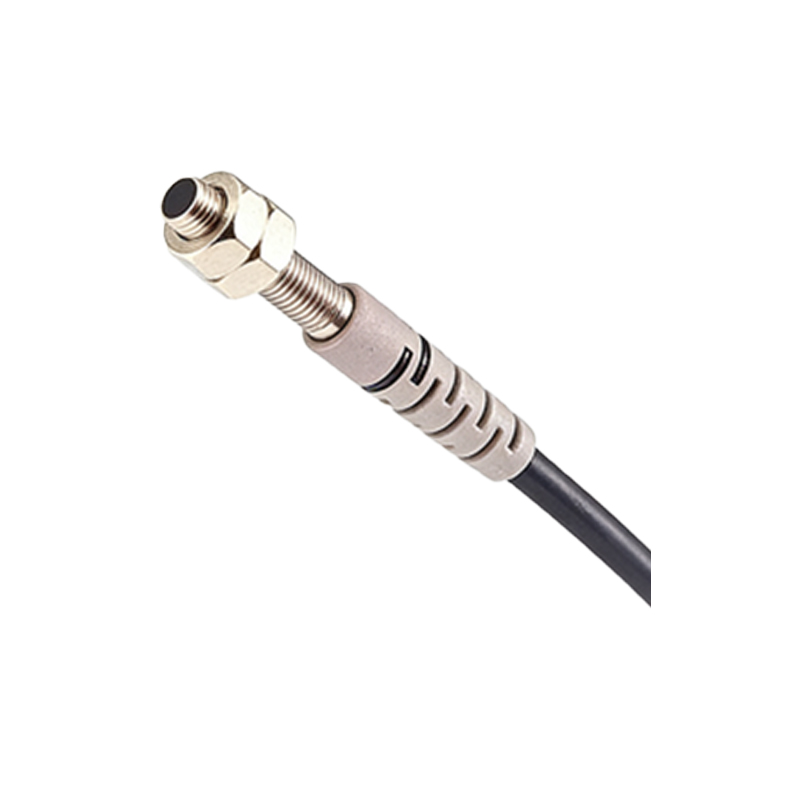
Typical Industrial Applications and Use Cases
The unique attributes of slow response photoelectric sensors make them indispensable in several industrial sectors. In packaging and material handling, they are deployed for detecting the presence of bulky, slowly moving items on conveyors, such as large boxes or pallets, where high-speed sensing is unnecessary and could be problematic due to swaying or irregular shapes. In wood processing and sawmills, they monitor the passage of logs or lumber, with the slow response filtering out interference from sawdust and water spray. Another significant application is in liquid level detection within translucent or opaque tanks, where the sensor detects the presence of the liquid surface, and a slow response ensures stability despite surface turbulence or foam. They are also found in agricultural automation for counting or detecting slow-moving produce on sorting lines, where dirt and varying surface colors are common challenges.
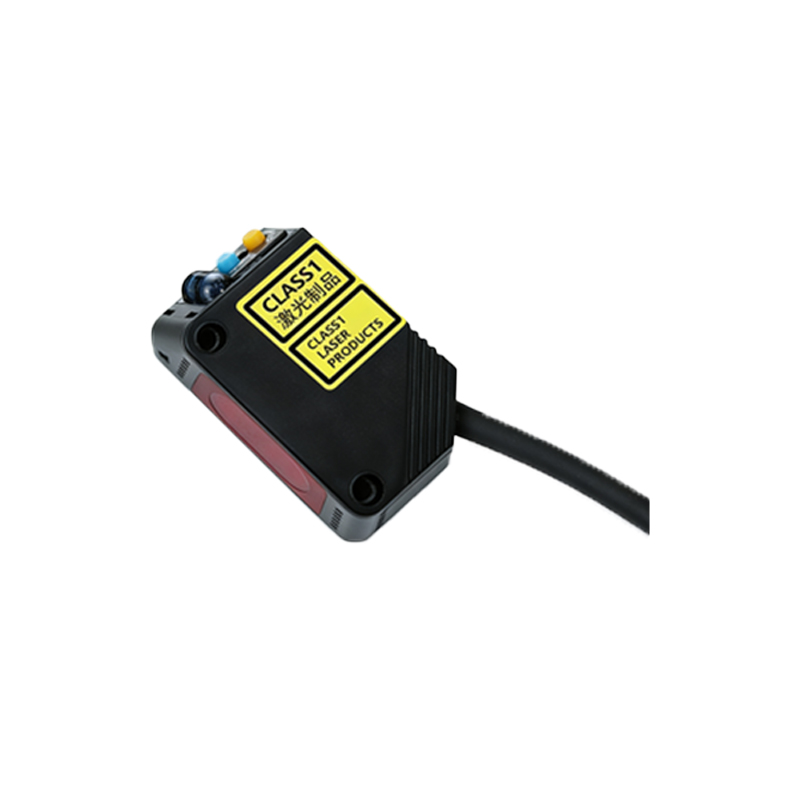
Advantages Over Standard High-Speed Sensors
The primary advantage of implementing a slow response photoelectric sensor lies in its exceptional stability and reliability in challenging conditions. By effectively ignoring brief, inconsequential interruptions in the light beam, these sensors drastically reduce false positives and nuisance trips, which minimizes machine downtime and improves overall equipment effectiveness (OEE). This leads to lower maintenance requirements, as sensors are less likely to require adjustment or cleaning due to minor environmental changes. Furthermore, they can often operate successfully in environments where standard sensors would fail or require extensive shielding and filtering. From a system design perspective, their use can sometimes simplify control logic by providing a cleaner, more definitive signal to the programmable logic controller (PLC), eliminating the need for additional software-based timers or filters to debounce the input.
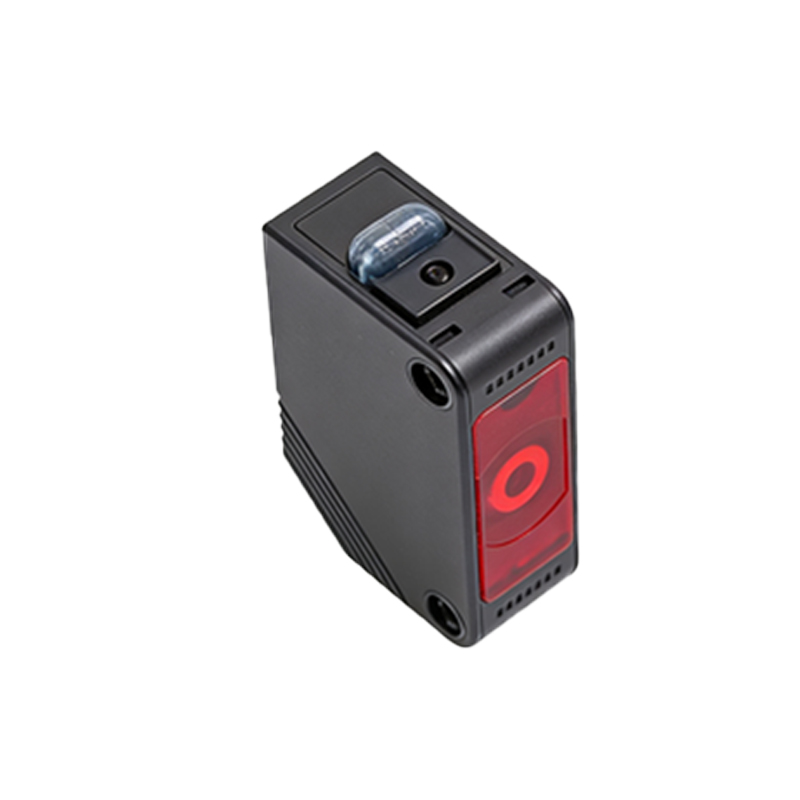
Installation, Calibration, and Maintenance Guidelines
Proper installation is critical to harnessing the full benefits of a slow response photoelectric sensor. Alignment must be precise, especially for through-beam and retro-reflective types, to ensure a strong, consistent signal. The sensor should be mounted securely to prevent misalignment from vibration. During calibration, the response time adjustment is key; it should be set to the minimum value required to reliably ignore disturbances while still detecting the target object. Many modern sensors feature teach-in functions or potentiometers for easy setting of sensitivity and response time. Maintenance routines are generally minimal but should include periodic lens cleaning to prevent buildup of dirt, grease, or condensation that could attenuate the light signal over time. Regularly verifying the sensor's response in the actual operating environment is recommended as part of preventive maintenance.
Future Trends and Integration with Smart Systems
The evolution of slow response photoelectric sensors is closely tied to the broader trends of Industry 4.0 and industrial IoT. Future iterations are likely to incorporate more intelligence at the edge. This includes sensors with digitally adjustable and programmable response profiles, allowing dynamic adaptation to different products or process stages via network commands. Integrated diagnostics will become more advanced, reporting not just an on/off state but also signal strength, response time history, and predictive maintenance alerts regarding lens contamination. Wireless connectivity options may also emerge for easier installation in remote or rotating applications. Their integration into larger sensor networks will enable more sophisticated condition monitoring, where the stable, filtered data from a slow sensor contributes to a holistic view of machine health and process efficiency, complementing data from faster vibration, temperature, and vision systems.