Introduction to Photoelectric Sensing
Photoelectric sensors have established themselves as indispensable components in modern industrial automation. Their fundamental principle, based on the detection of visible or invisible light, provides a non-contact, reliable method for object detection, positioning, and counting. The core operation involves an emitter light source and a receiver. When the emitted light beam is interrupted or reflected by a target object, the receiver detects this change and converts it into an electrical signal, triggering a predefined output. This simple yet robust mechanism allows for high-speed, precise detection across a vast array of materials and surface conditions, from transparent glass bottles to matte-finished metal parts, making them far more versatile than many proximity sensing alternatives.
Core Technologies and Operational Modes
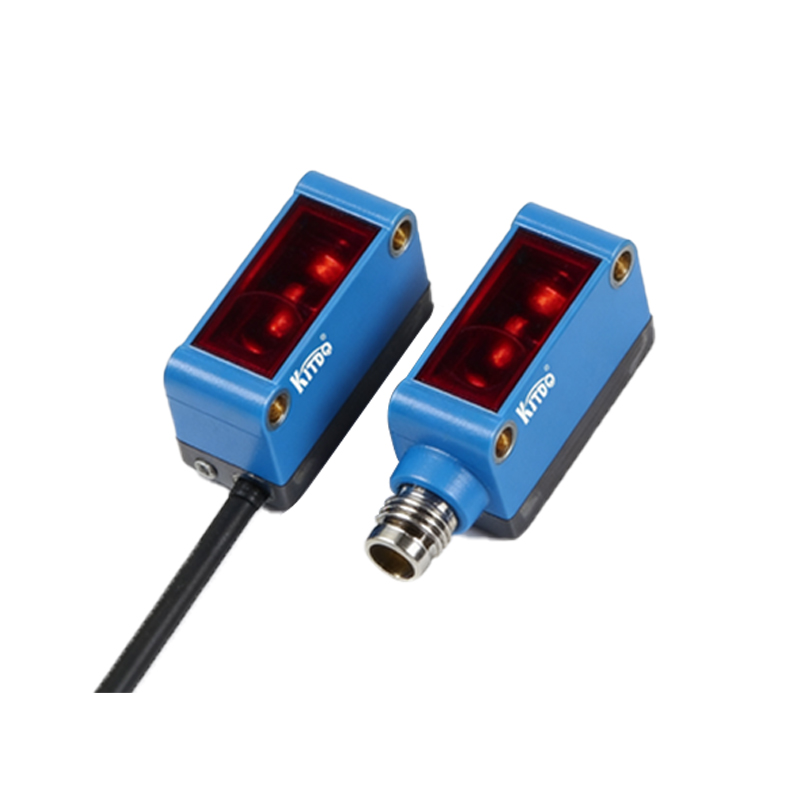
The effectiveness of photoelectric sensors is largely defined by their operational mode. The three primary configurations are through-beam, retro-reflective, and diffuse reflective. Through-beam sensors, with separate emitter and receiver units, offer the longest sensing ranges and highest reliability, as they detect the direct interruption of the beam. Retro-reflective models use a single housing containing both emitter and receiver, relying on a reflector to bounce the light back. They provide a good balance of range and ease of installation. Diffuse reflective sensors detect light reflected directly off the target object itself, making them ideal for applications where installing a reflector or a separate receiver is impractical. Advanced versions, like background suppression and convergent beam sensors, use triangulation or focused beams to precisely define the sensing distance, ignoring objects beyond or behind the target.

Key Performance Characteristics and Selection Criteria
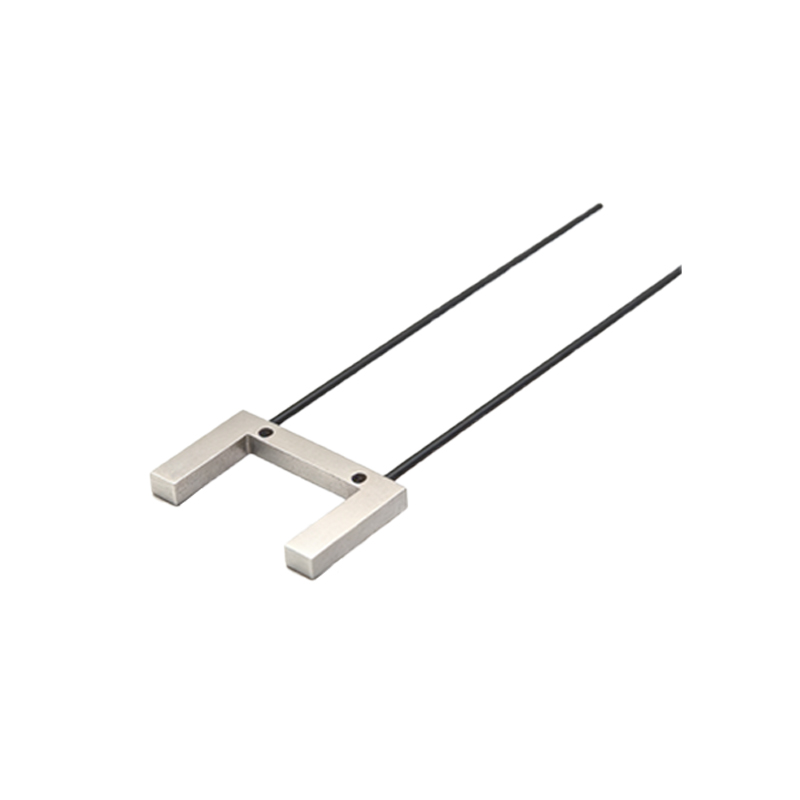
Selecting the appropriate photoelectric sensor requires careful analysis of several performance parameters. Sensing range, response time, light source type (e.g., red LED, infrared LED, laser), and environmental robustness are paramount. For high-speed packaging lines, a sensor with a microsecond response time is critical. In environments with airborne dust, steam, or vibration, models with high IP (Ingress Protection) ratings and robust housing are necessary. The choice of light source is also crucial; laser sensors provide a precise, visible spot for accurate positioning, while infrared sensors are less susceptible to ambient light interference. Furthermore, modern sensors offer programmable functions, such as adjustable sensitivity, time delays, and teach-in modes, which simplify setup and enhance adaptability to complex tasks.
Advantages Over Alternative Sensing Technologies
When compared to other prevalent sensing technologies like inductive or capacitive proximity sensors, photoelectric sensors present distinct advantages. Their primary benefit is the ability to detect virtually any material, regardless of color, conductivity, or magnetic properties. They also operate over significantly longer distances—from a few centimeters to several hundred meters in specialized through-beam models. This non-contact nature eliminates mechanical wear and tear, ensuring a long operational lifespan and minimal maintenance. For detecting small objects, transparent materials, or precise edge positioning, photoelectric sensors are often the only viable solution, offering a level of precision and flexibility that other technologies cannot match.
Common Industrial Applications and Use Cases
The application spectrum for photoelectric sensors is extraordinarily broad. In manufacturing, they are ubiquitous for part presence verification on assembly lines, bottle/can counting in bottling plants, and label detection on packaging machinery. In material handling, they are used for pallet positioning, stack height control, and break-of-beam safety curtains. They play a critical role in automated warehousing for parcel dimensioning and robot guidance. Specialized versions detect fill levels in transparent containers, control web tension in printing, and ensure correct orientation of components. Their reliability in harsh conditions also makes them suitable for outdoor applications like vehicle detection and access control.
Challenges and Considerations for Implementation
Despite their versatility, successful implementation requires addressing specific challenges. Ambient light from factory windows or high-intensity lamps can saturate the receiver, necessitating sensors with modulated light sources and synchronous detection circuits. Contamination of the lens by dust, oil, or moisture is a common cause of failure, highlighting the need for regular maintenance or the selection of sensors with built-in contamination indicators. For detecting highly reflective or absorbent surfaces, careful mode selection and sensitivity adjustment are required. Engineers must also consider the target object's color, size, surface angle, and the required switching frequency to ensure consistent and error-free operation.
Future Trends and Technological Evolution
The future of photoelectric sensing is aligned with the broader trends of Industry 4.0 and smart manufacturing. Sensor intelligence is increasing, with integrated IO-Link communication becoming standard. This allows for remote configuration, real-time diagnostics, and the transmission of process data (like signal strength) to higher-level control systems for predictive maintenance. Miniaturization continues, enabling their use in increasingly compact machinery. Furthermore, the development of sensors with enhanced resistance to extreme conditions—such as high-pressure washdowns, intense temperatures, and corrosive chemicals—will expand their applicability into more demanding sectors like food processing, pharmaceuticals, and heavy industry.
Final Summary and Concluding Remarks
In conclusion, photoelectric sensors represent a mature, yet continuously evolving, technology that forms the backbone of automated sensing. Their non-contact principle, material versatility, long range, and high speed make them an optimal choice for countless industrial applications. The key to leveraging their full potential lies in a thorough understanding of the different operating modes, a precise analysis of the application requirements, and careful attention to environmental factors. As sensors become smarter and more connected, their role will evolve from simple binary switches to intelligent data points within interconnected industrial ecosystems. For any engineer designing, maintaining, or optimizing automated systems, a deep knowledge of photoelectric sensor technology is not just an asset—it is an essential component of modern industrial expertise.