Understanding Photoelectric Sensor Interference
Photoelectric sensors are indispensable in modern industrial automation, providing non-contact detection of objects. However, their reliable operation can be severely compromised by various forms of interference. This interference typically manifests as false triggering, signal dropout, or erratic behavior, leading to production line stoppages and quality control issues. The primary culprits are often environmental factors and electrical noise. Environmental interference includes ambient light from sources like sunlight or high-intensity factory lighting, which can flood the sensor's receiver. Dust, steam, or oil mist in the air can scatter or block the light beam. Electrical interference, a more insidious problem, originates from electromagnetic fields generated by nearby high-power equipment such as motor drives, welding machines, or radio frequency devices. This noise can be conducted through power lines or coupled into sensor cables, corrupting the delicate signal. A systematic approach to identifying the specific type of interference is the critical first step toward a robust solution.
Implementing Environmental Shielding and Filtering
Combating environmental interference requires physical and optical strategies. For ambient light, the most effective solution is to use sensors with modulated light technology. Instead of emitting a continuous beam, these sensors pulse their infrared or visible light at a specific high frequency. The receiver is tuned to recognize only this specific modulation pattern, effectively ignoring constant background light from sunlight or lamps. For particularly harsh environments, installing physical barriers or shrouds around the sensor and target area can block stray light. When dealing with airborne particulates like dust or mist, choosing sensors with a high IP (Ingress Protection) rating, such as IP67, ensures the optics are sealed. Regularly scheduled cleaning of the lens is a simple but vital maintenance task. For applications with heavy contamination, using sensors with a "background suppression" or "diffuse reflective with background suppression" mode can help by only detecting objects within a precise, predefined distance, ignoring reflections from distant walls or accumulated grime.
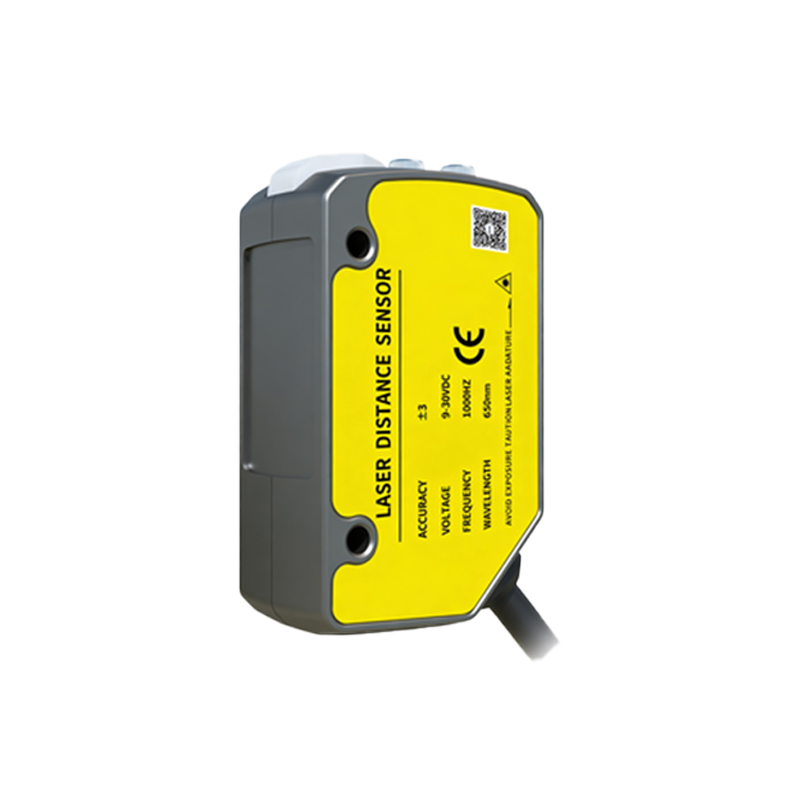
Optimizing Electrical Installation and Wiring
Proper electrical installation is paramount to mitigate conducted and radiated electromagnetic interference (EMI). Always use shielded cables for sensor connections. The cable shield, typically a braided or foil layer, must be grounded properly at *one end only*, usually at the controller or PLC panel. Grounding both ends can create ground loops, which are themselves a source of noise. Keep sensor cables as far away as possible from power cables, especially those feeding variable frequency drives (VFDs) or motors. A minimum separation of 20-30 cm is recommended, and cables should cross at right angles if they must intersect. Routing cables in separate metallic conduits provides additional shielding. For the power supply, ensure it is stable and clean. Using a dedicated, regulated power supply for sensitive sensor circuits can prevent noise from other devices on the same line. In areas with severe EMI, installing ferrite cores or chokes on the sensor cables near the connection points can absorb high-frequency noise.
Utilizing Advanced Sensor Features and Settings
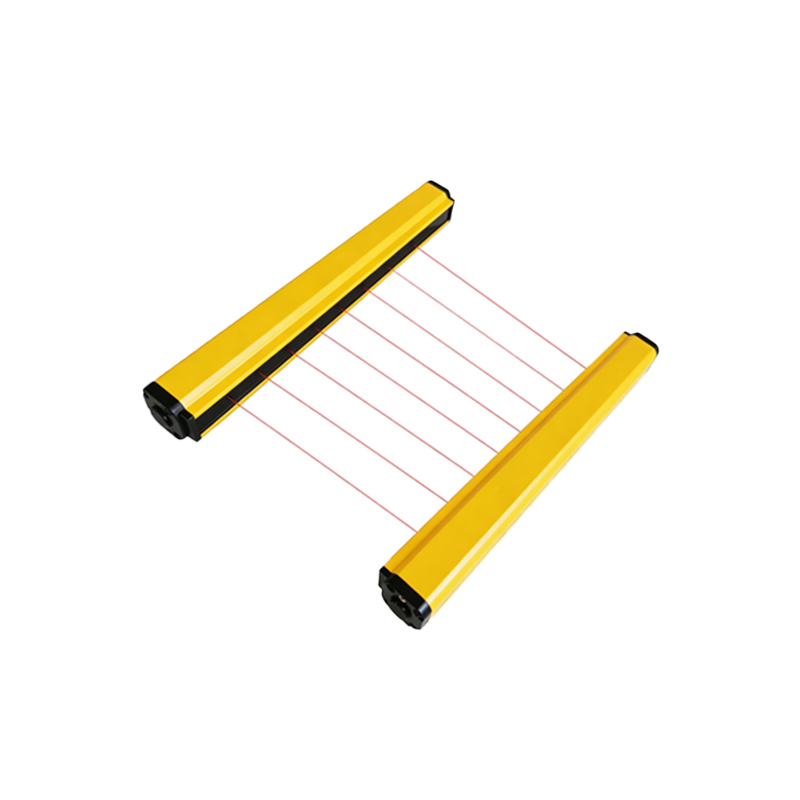
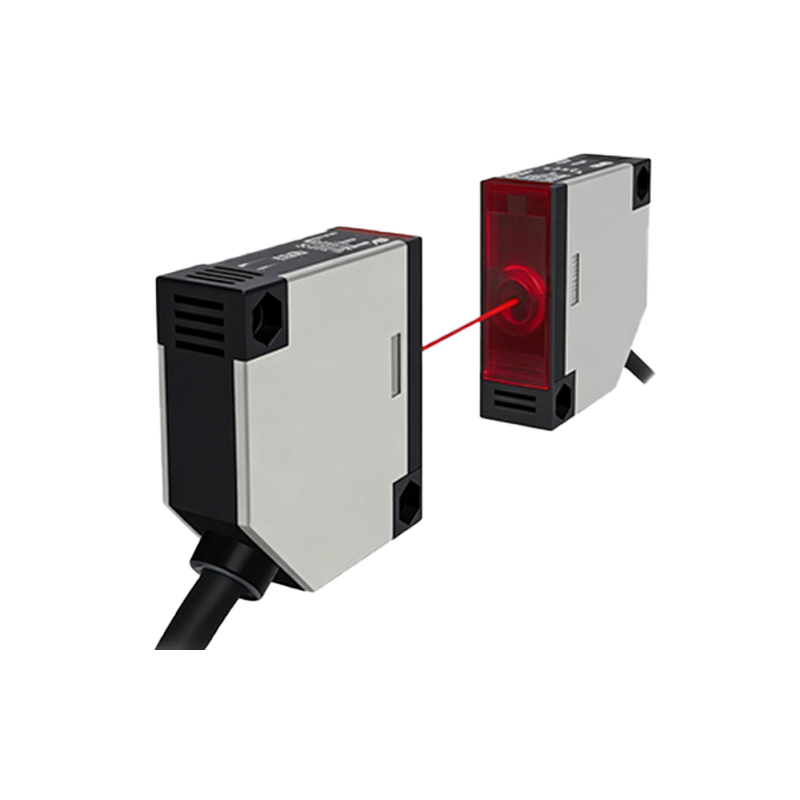
Modern photoelectric sensors come equipped with sophisticated features designed to overcome interference. The teaching or setup function is crucial. After installation, use this function to "teach" the sensor the exact signal level for the "object present" state within the actual operating environment, which automatically sets an optimal switching threshold. Many sensors offer adjustable response time or delay timers. Increasing the response time makes the sensor less sensitive to very brief, noise-induced signal fluctuations. A short ON-delay or OFF-delay can prevent chatter from a vibrating or marginally detected object. For AC-powered sensors, incorporating a surge suppressor or noise filter in the circuit can clamp voltage spikes. When selecting a sensor, consider the sensing mode. Through-beam sensors, with separate emitter and receiver, generally offer the longest range and highest immunity to object color or reflectivity, but are more susceptible to misalignment. Retro-reflective sensors with polarizing filters reject interference from shiny objects. Understanding and correctly applying these built-in features is often the simplest path to a stable installation.
Establishing Systematic Troubleshooting and Maintenance
A proactive and systematic approach ensures long-term reliability. Begin troubleshooting by isolating the problem. Temporarily cover the sensor's emitter to simulate a constant "object present" signal. If the output still fluctuates, the issue is likely electrical noise, not environmental. Use an oscilloscope to observe the sensor's output signal directly, looking for noise superimposed on the clean digital signal. Document the environment: note the startup of any large machinery that coincides with sensor faults. Implement a regular maintenance schedule that includes visual inspection of lenses, verification of mounting stability (vibration can cause misalignment), and checking cable integrity for cuts or pinch points. For critical applications, consider installing sensors with diagnostic LED indicators that show signal strength, which can provide an early warning of degrading performance due to lens contamination or weakening emitter output. By treating interference mitigation as an integral part of the design and maintenance process, engineers can ensure photoelectric sensors deliver their full potential in reliability and precision.