Introduction to Proximity Sensor Technology
Proximity sensors are fundamental components in modern industrial automation, providing non-contact detection of metallic or other objects. Among the various configurations available, the 3-wire DC sensor operating on a 12-24V DC supply has become an industry standard due to its reliability, ease of installation, and compatibility with Programmable Logic Controllers (PLCs). These sensors are designed to detect the presence or absence of a target without physical contact, thereby eliminating mechanical wear and enabling high-speed operation. The 3-wire design specifically addresses the need for a simple, two-state output signal that can be easily integrated into complex control systems. Their robust construction allows them to perform consistently in harsh industrial environments characterized by dust, moisture, and vibration.
Anatomy of a 3-Wire 12-24V DC Proximity Switch
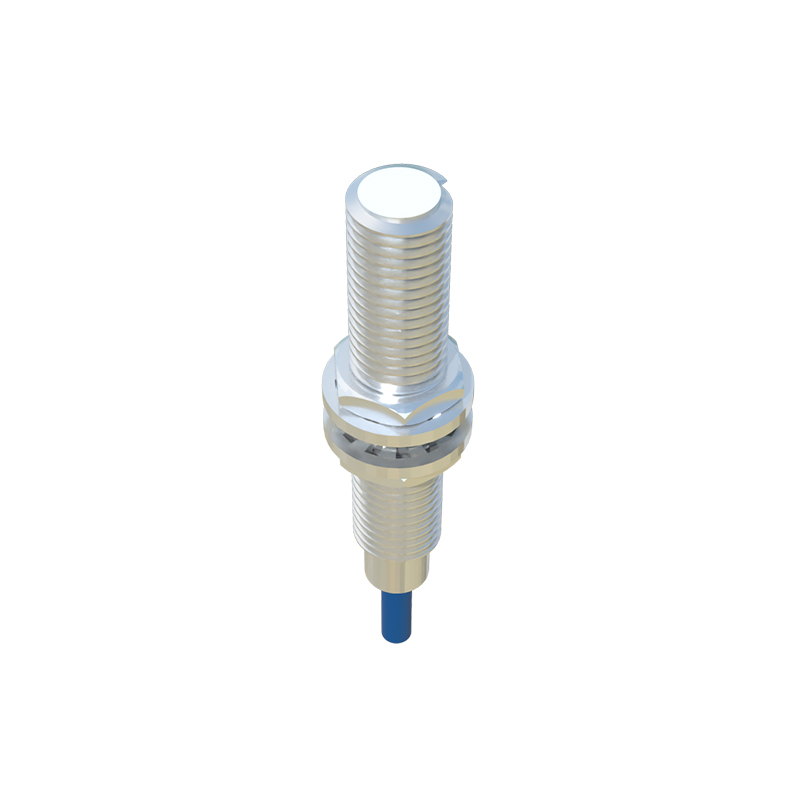
A standard 3-wire proximity sensor comprises three distinct colored wires: brown, blue, and black. The brown wire is universally designated for the positive supply voltage (+V). The blue wire is connected to the common ground or 0V. The critical third wire, typically black, carries the output signal. This configuration is common for both NPN (sinking) and PNP (sourcing) output types. The operating voltage range of 12-24V DC offers significant flexibility, allowing the same sensor model to be used in 12V, 24V, or any voltage within that spectrum, simplifying inventory and design. Internally, the sensor houses an oscillator, a detection circuit, and a solid-state switching element, usually a transistor, which toggles the output state based on target presence.
NPN vs. PNP Output: Sinking and Sourcing Explained
This is a crucial distinction in 3-wire sensor wiring. An NPN output sensor switches the negative or 0V line. In this configuration, the black wire (output) is connected to the load, and the load is connected to +V. When activated, the NPN transistor "sinks" current from the load to ground, completing the circuit. Conversely, a PNP output sensor switches the positive voltage line. Here, the load is connected to 0V, and the black wire from the sensor provides the +V to the load when activated, thereby "sourcing" the current. The choice between NPN and PNP depends on the control system's input card configuration. Many PLCs from regions like Europe commonly use PNP-sourcing inputs, while NPN-sinking is often found in Asian-manufactured equipment.
Key Specifications and Performance Parameters
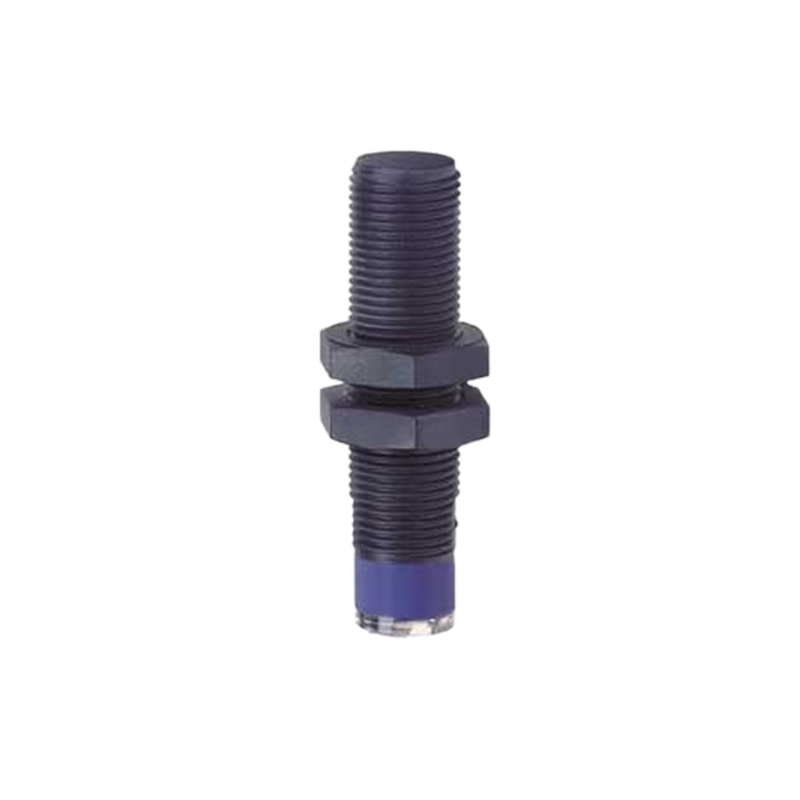
When selecting a 3-wire 12-24V DC proximity sensor, several technical parameters must be considered. The sensing range, typically from 1mm to 30mm for standard inductive models, defines the maximum distance at which a target can be reliably detected. The switching frequency indicates how many on/off cycles per second the sensor can handle, critical for high-speed counting applications. Another vital specification is the output current rating, which must not be exceeded to avoid damaging the internal transistor. Housing material, such as nickel-plated brass or stainless steel, determines environmental resistance. Additionally, protection standards like IP67 or IP68 rating define the sensor's resilience against dust and water ingress.
Wiring and Installation Best Practices
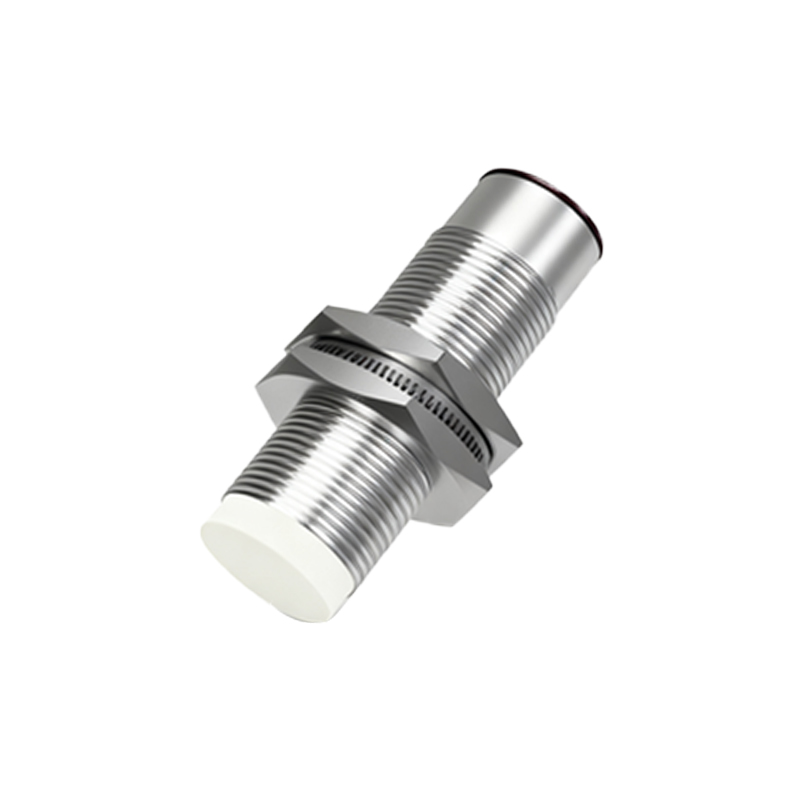
Correct installation is paramount for reliable operation. Always disconnect power before wiring. Connect the brown wire to the positive DC supply (12-24V) and the blue wire to the DC common (0V). The black output wire is then connected to the PLC input or the controlled load. It is essential to verify the sensor's output type (NPN/PNP) matches the input circuit. For inductive sensors, ensure the target material is ferrous (like iron or steel) for the rated sensing distance; non-ferrous metals like aluminum or copper have a reduced effective range. Maintain a minimum clearance between sensors and between the sensor and metal mounting surfaces to prevent mutual interference and false triggering.
Common Applications in Industrial Automation
The versatility of 3-wire 12-24V DC proximity sensors makes them ubiquitous across factories. They are extensively used for position detection, such as verifying if a cylinder is fully extended or retracted. On conveyor systems, they count passing objects or detect jams. In machine tools, they serve as limit switches to prevent over-travel. They are integral to automated assembly lines for part presence verification, ensuring a component is in place before a process like welding or screwing commences. Their fast response time also makes them suitable for high-speed bottling or packaging machinery where