What is Proximity Light Sensor Calibration?
Proximity light sensor calibration refers to the systematic adjustment of sensor parameters to ensure accurate and reliable detection of objects within a specified range. These sensors, commonly used in industrial automation, consumer electronics, and automotive systems, emit infrared or visible light and measure reflections to determine proximity. Calibration involves fine-tuning the sensor's sensitivity, threshold levels, and response time to match environmental conditions and application requirements. Without proper calibration, sensors may produce false positives, fail to detect objects, or deliver inconsistent performance, leading to operational inefficiencies or safety risks. The process typically includes setting reference points, adjusting gain or offset values, and validating outputs against known standards.
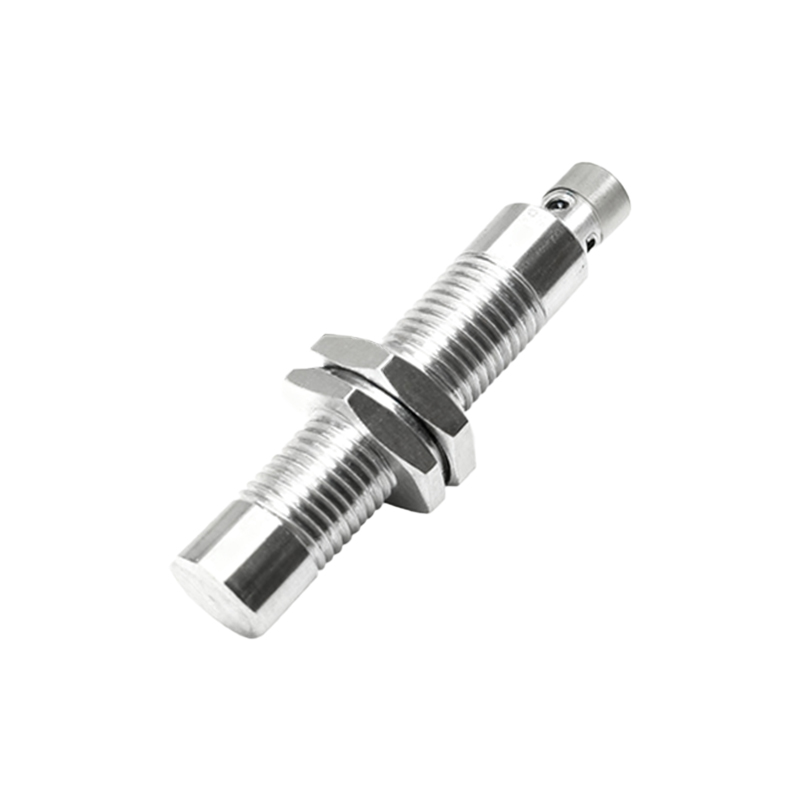
Why Calibration is Essential for Performance
Calibration ensures that proximity light sensors operate within defined tolerances, maintaining precision across varying conditions such as temperature changes, ambient light interference, or material reflectivity differences. In industrial settings, uncalibrated sensors can cause machinery malfunctions, production delays, or quality control issues. For example, in automated assembly lines, a miscalibrated sensor might incorrectly position components, resulting in defective products. Regular calibration also compensates for sensor aging or drift over time, extending device lifespan and reducing maintenance costs. By aligning sensor outputs with real-world measurements, calibration enhances system reliability and compliance with industry standards like ISO or IEC specifications.
Key Steps in the Calibration Process
The calibration process for proximity light sensors involves several critical steps. First, initial testing assesses the sensor's baseline performance using controlled environments and reference objects. Technicians then adjust parameters like detection range, hysteresis, and output signal levels via software tools or hardware potentiometers. Data logging tools record sensor responses to validate consistency. For instance, in automotive applications, sensors are calibrated to detect obstacles at specific distances to enable features like parking assistance. Post-calibration, verification tests confirm accuracy by comparing sensor readings to calibrated instruments. Documentation of calibration dates, settings, and results is maintained for traceability and audit purposes, ensuring repeatability in future adjustments.
Common Challenges and Solutions
During calibration, challenges such as environmental noise, sensor misalignment, or component variability can arise. Ambient light from sources like sunlight or artificial lighting may interfere with infrared sensors, requiring shielding or filtering adjustments. To mitigate this, calibration often includes setting adaptive thresholds or using modulated light signals. Material differences—like detecting dark versus shiny objects—may necessitate sensitivity tweaks. Advanced sensors incorporate auto-calibration features that dynamically adjust based on real-time feedback, reducing manual intervention. Regular maintenance schedules and using high-quality calibration equipment help address drift issues, ensuring long-term sensor accuracy and minimizing downtime in critical applications.
Applications and Industry Best Practices
Proximity light sensor calibration is vital across diverse industries. In consumer electronics, smartphones use calibrated sensors to disable touchscreens during calls, preventing accidental inputs. Industrial robots rely on calibrated sensors for precise object handling in manufacturing. Best practices include following manufacturer guidelines, performing periodic recalibration based on usage intensity, and integrating sensors with monitoring systems for early fault detection. Training personnel on calibration protocols and using standardized test fixtures enhance consistency. As technology evolves, trends like IoT-enabled sensors allow remote calibration and predictive maintenance, improving efficiency. Ultimately, proper calibration ensures sensors deliver optimal performance, supporting safety, productivity, and innovation in automated systems.