Understanding the Core Principle of Operation
Capacitive proximity sensors operate on the fundamental principle of capacitance change. At their heart, they consist of an oscillator circuit, a sensing surface (electrode), and a signal converter. The sensor generates an electrostatic field from the oscillator circuit to the sensing surface. When any material, conductive or non-conductive, enters this electrostatic field, it causes a measurable change in the circuit's capacitance. This change triggers the sensor's output state to switch, typically from 'off' to 'on'. Unlike inductive sensors that only detect metals, capacitive sensors can detect a vast array of materials including liquids, powders, granules, plastics, wood, and glass, making them exceptionally versatile. The sensitivity of the sensor can often be adjusted to ignore certain materials or to detect targets through thin non-metallic barriers.
Key Components and Sensing Modes
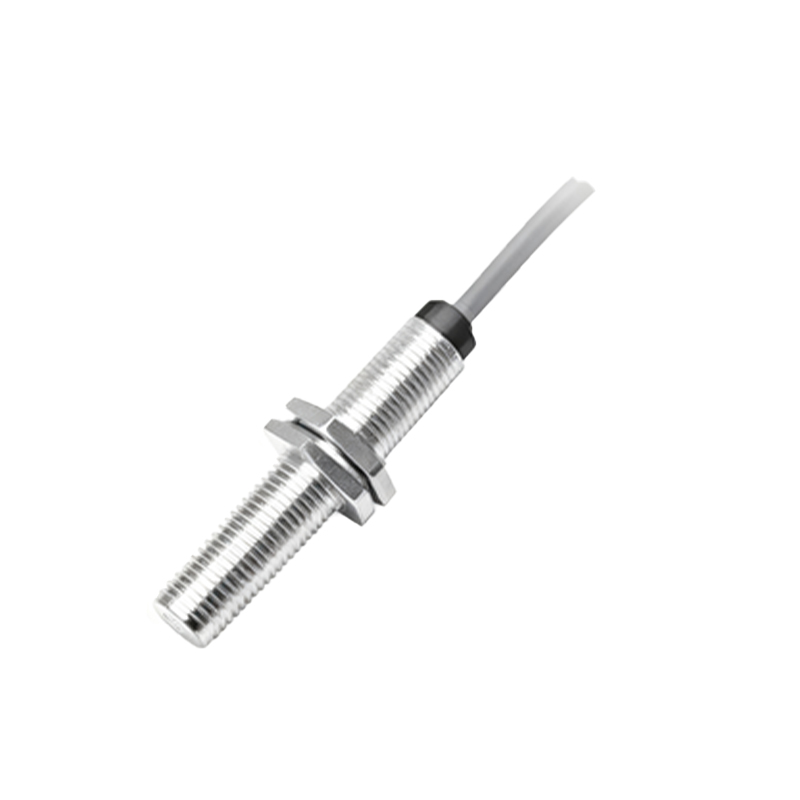
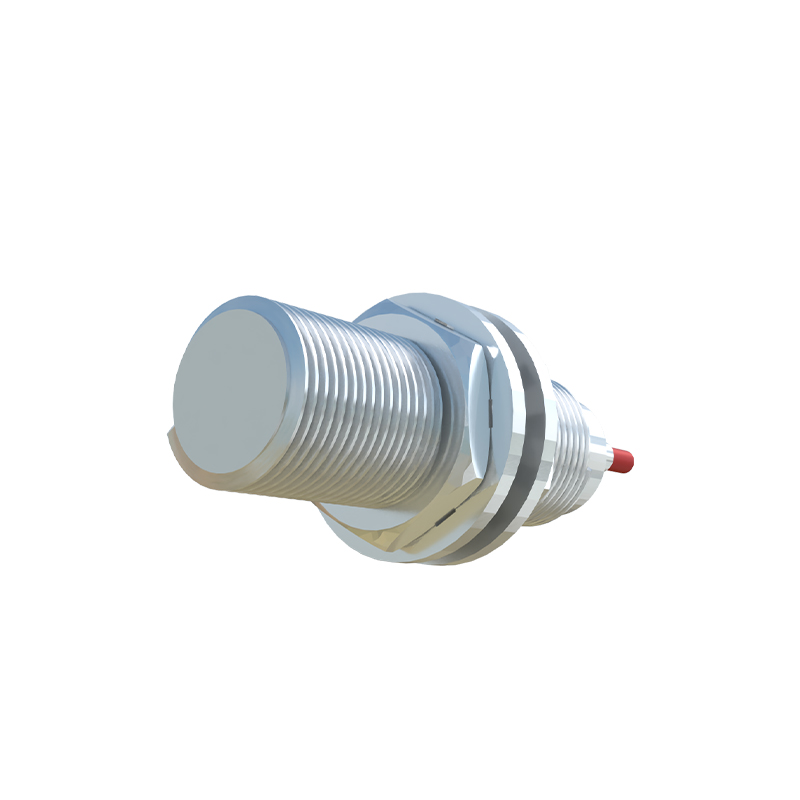
The effectiveness of a capacitive sensor is defined by its key components. The active sensing surface forms one plate of the capacitor, while the target object forms the other, with the air gap acting as the dielectric. Modern sensors incorporate sophisticated compensation electrodes to mitigate the effects of humidity, condensation, or contamination on the sensing face, ensuring stable operation. They primarily function in two modes: the flush or shielded mode and the non-flush or unshielded mode. Flush-mounted sensors have a shielded electrostatic field that is focused forward, allowing them to be installed flush with metal mounting surfaces without false triggering. Non-flush sensors have a larger, unshielded field that extends both forward and laterally, offering a longer sensing range but requiring non-metallic surroundings to prevent interference.
Primary Industrial Applications and Use Cases
The application spectrum for capacitive proximity sensors in industrial automation is remarkably broad. A quintessential use is level detection for both liquids and solids. They reliably detect the presence or absence of materials in tanks, silos, and hoppers, whether it's monitoring the fill level of adhesive in a bottle or the powder level in a storage container. In packaging machinery, they are indispensable for detecting the presence of plastic or glass bottles, cardboard boxes, or foil wrappers on a conveyor line. They excel in detecting non-metallic objects where photoelectric sensors might struggle due to color or transparency, such as verifying the presence of a plastic cap or a wooden pallet. Furthermore, they are used for part presence verification in assembly processes and for detecting material breaks in web processes involving paper, film, or textiles.
Critical Advantages Over Other Sensor Types
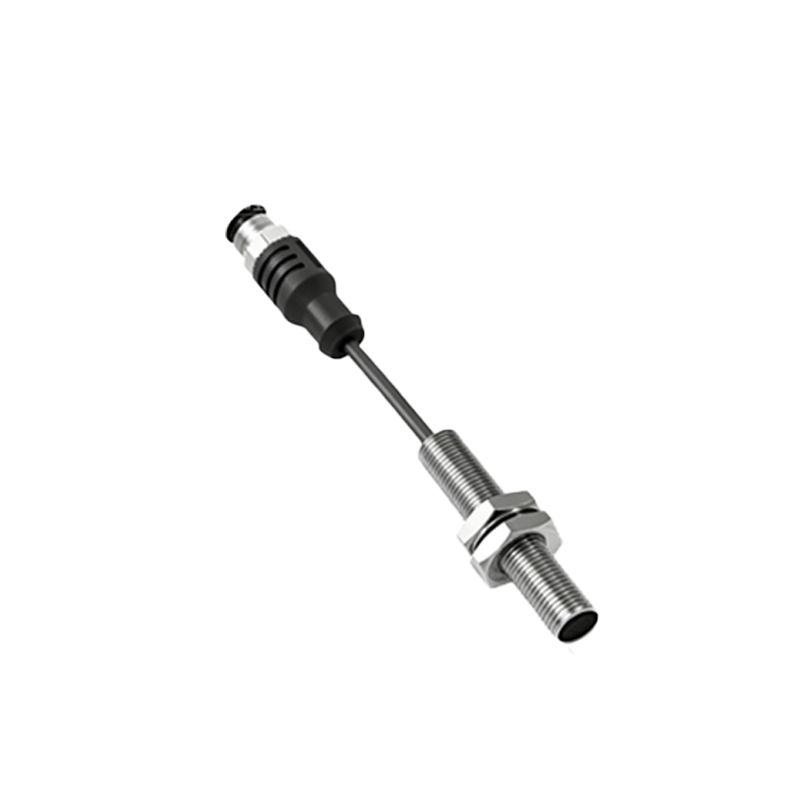
Capacitive sensors offer distinct advantages that solidify their role in complex automation environments. Their ability to detect almost any material is their most powerful benefit. This material-agnostic nature provides a single-sensor solution for lines handling diverse products. They are highly effective in dirty or dusty environments where optical sensors' lenses might become obscured, as the sensing field can often penetrate thin layers of non-conductive buildup. Their capability to sense through non-metallic container walls allows for non-contact, wear-free level sensing without the need for invasive probes or sight glasses. Modern designs also offer excellent temperature stability and robust housing (often in IP67 or IP69K ratings), making them suitable for washdown areas in food and beverage or pharmaceutical industries.
Installation Considerations and Best Practices
Proper installation is paramount for reliable capacitive sensor performance. A key consideration is the mounting environment. For flush-mounted sensors, ensure the surrounding material is non-conductive within the sensor's specified area to prevent shielding effects. Maintain the recommended sensing distance, accounting for factors like the target material's dielectric constant—materials with higher constants (like water) are detected more easily and at greater ranges than those with lower constants (like certain plastics). Always perform sensitivity adjustment with the actual target material in place under normal operating conditions. Avoid mounting sensors near sources of strong electrical noise, such as variable frequency drives (VFDs) or large motors, and use shielded cables if necessary to prevent electromagnetic interference (EMI) from causing erratic switching.
Future Trends and Technological Evolution
The evolution of capacitive sensing technology continues to align with Industry 4.0 demands. Modern sensors are becoming increasingly intelligent, featuring IO-Link communication that allows for remote parameter setting, real-time diagnostics, and process data monitoring. This enables predictive maintenance by tracking signal strength degradation over time. Miniaturization is another trend, with extremely compact sensors being developed for space-constrained applications. Furthermore, advancements in ASIC (Application-Specific Integrated Circuit) design are improving noise immunity, temperature compensation, and overall stability. The integration of capacitive sensing principles into multi-technology sensor hubs, combining capacitive, inductive, and photoelectric sensing in one device, is on the horizon, offering unparalleled flexibility for adaptive manufacturing systems