Understanding Photoelectric Sensor Fundamentals
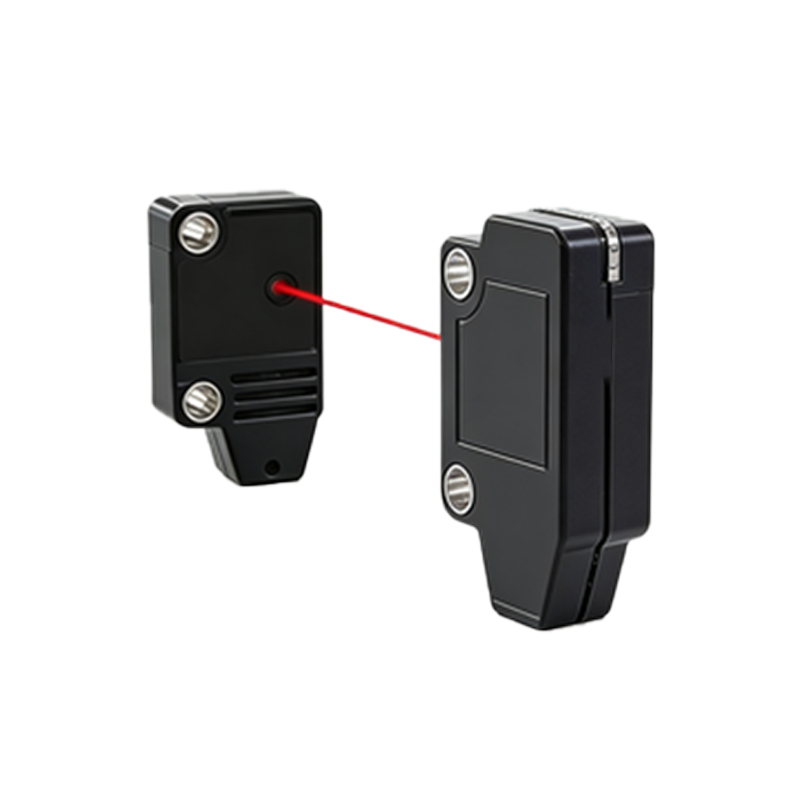
Photoelectric sensors are essential components in modern industrial automation, utilizing light beams to detect the presence, absence, or distance of objects. These sensors operate based on three primary principles: through-beam, retro-reflective, and diffuse reflective sensing. Through-beam sensors consist of separate emitter and receiver units, offering the longest sensing ranges and highest reliability by detecting interruptions in the light beam. Retro-reflective sensors use a single unit with a reflector, making them ideal for detecting objects that break the reflected light path. Diffuse reflective sensors detect objects by measuring the light reflected directly from the target, providing a compact solution for close-range applications. Understanding these fundamental operating modes is the first step toward selecting and implementing the right sensor for any industrial task.
Selecting the Appropriate Sensor Type
Choosing the correct photoelectric sensor type is critical for optimal performance. Consider factors such as sensing distance, target material, environmental conditions, and required output. For long-range detection up to several meters, through-beam sensors are preferable. Retro-reflective sensors are suitable for medium ranges and are less susceptible to alignment issues compared to through-beam setups. Diffuse sensors excel in short-range applications where space is limited. Additionally, specialized variants like background suppression sensors can ignore objects beyond a set distance, while color contrast sensors detect differences in reflectivity. Always consult technical datasheets to match sensor specifications—such as response time, light source (LED or laser), and housing material—with the application's demands to ensure reliability and longevity.
Optimizing Installation and Alignment
Proper installation and alignment significantly impact sensor performance. Mount sensors securely using brackets or fixtures to minimize vibration-induced misalignment. For through-beam and retro-reflective types, ensure the emitter and receiver (or reflector) are precisely aligned; even minor deviations can cause false triggers. Use alignment tools or indicators provided by manufacturers, such as LED beam spots or audible signals, to simplify this process. In diffuse sensing, adjust the sensing distance to account for target color and texture, as dark or matte surfaces reflect less light. Avoid mounting sensors near strong ambient light sources or reflective surfaces that could interfere with the beam. Regularly clean lenses and reflectors to prevent dust or debris from attenuating the light signal.
Integrating with Control Systems
Effective integration of photoelectric sensors into control systems enhances automation efficiency. Most sensors provide digital outputs (e.g., NPN, PNP, or relay contacts) compatible with PLCs (Programmable Logic Controllers), relays, or microcontrollers. Wire connections according to manufacturer guidelines, ensuring proper voltage and current ratings to prevent damage. Utilize programmable sensors with teach-in functions or adjustable sensitivity to fine-tune detection parameters on-site. For networked applications, consider IO-Link or Ethernet-enabled sensors that offer diagnostic data, such as signal strength or contamination warnings, enabling predictive maintenance. Always test the sensor's output under real operating conditions to verify stability before full-scale deployment.
Addressing Environmental Challenges
Industrial environments often present challenges like dust, moisture, temperature extremes, and electromagnetic interference. Select sensors with appropriate IP (Ingress Protection) ratings—for example, IP67 or IP69K for washdown or outdoor use—to withstand harsh conditions. In dusty or foggy settings, choose sensors with modulated light sources (e.g., pulsed LEDs) to distinguish the signal from ambient noise. For high-temperature applications, verify the sensor's operating range and consider heat-resistant housings. Shield cables and use ferrite cores to minimize EMI from motors or frequency drives. Additionally, implement protective measures like mounting guards or using polarized filters to reduce false triggers from shiny objects or background interference.
Implementing Maintenance and Troubleshooting
Regular maintenance ensures sustained sensor performance. Establish a schedule to inspect lenses, reflectors, and mounting hardware for dirt, damage, or loosening. Monitor output signals via PLC diagnostics or dedicated monitoring tools to detect gradual degradation. Common issues include false triggers (often due to misalignment or environmental factors), no output (check power supply or wiring), or inconsistent detection (adjust sensitivity). Refer to manufacturer manuals for error codes and troubleshooting steps. Keep spare sensors on hand for critical applications to minimize downtime. Training personnel on basic sensor operation and maintenance can further reduce failures and improve system uptime.
Leveraging Advanced Features for Efficiency
Modern photoelectric sensors offer advanced features that boost efficiency and flexibility. For example, sensors with teach-in capabilities allow quick setup without manual calibration. Background suppression models enable precise detection regardless of object color or surface. Analog output sensors provide continuous distance measurement for positioning tasks. Wireless or battery-powered options simplify installation in remote areas. By leveraging these features, engineers can optimize processes, reduce setup time, and adapt to changing production needs. Always stay updated with industry trends, such as smart sensor networks or AI-driven diagnostics, to future-proof automation systems and maximize return on investment.