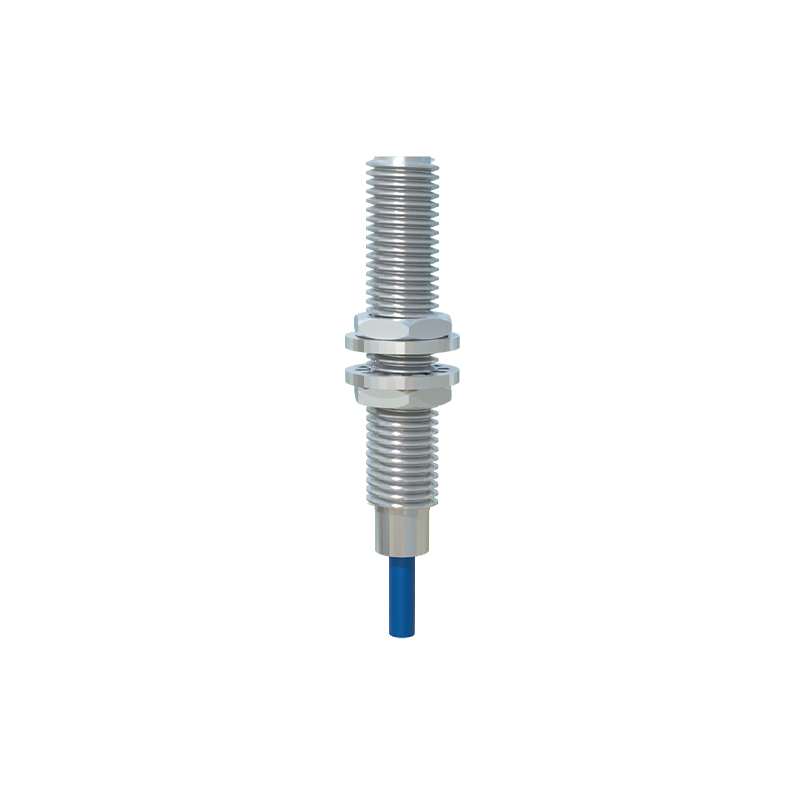
Navigating the complexities of international trade requires precise classification of goods. For businesses and logistics professionals dealing with automation components, correctly identifying the Harmonized System (HS) code for proximity sensors is crucial. This code dictates applicable tariffs, determines regulatory compliance, and facilitates smooth customs clearance across borders. This guide provides a detailed overview to help you accurately classify these essential industrial components.
The Harmonized System is a standardized numerical method for classifying traded products, used by over 200 countries. A proximity sensor, a device that detects the presence or absence of an object without physical contact, must be assigned a specific HS code for export or import declarations. Misclassification can lead to significant delays, unexpected duties, and potential penalties.
Generally, most electronic proximity sensors fall under Chapter 85 of the HS code system: "Electrical machinery and equipment and parts thereof; sound recorders and reproducers, television image and sound recorders and reproducers, and parts and accessories of such articles." The most common and widely applicable code is 8536.50. This code specifically covers "Electrical apparatus for switching or protecting electrical circuits, or for making connections to or in electrical circuits... for a voltage not exceeding 1,000 volts." This broad category encompasses switches, relays, and circuit breakers, under which many industrial proximity sensors are classified due to their primary function of providing a switching signal.
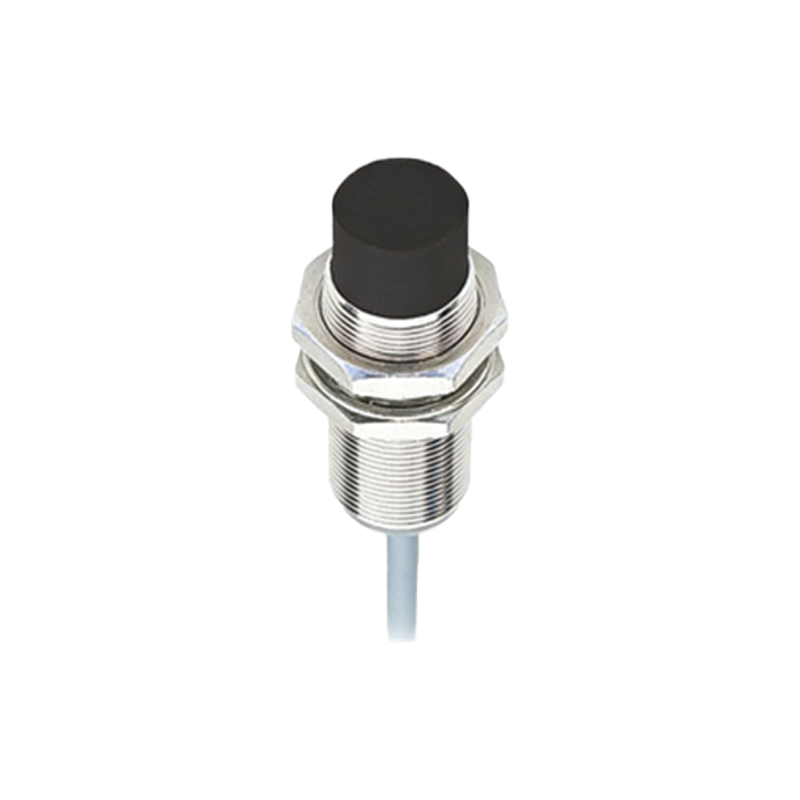
However, classification can become more specific. Some countries may require further breakdown. For instance, inductive proximity sensors (which detect metallic objects) or capacitive proximity sensors (which detect both metallic and non-metallic objects) are typically both classified under 8536.50. It is critical to consult the specific tariff schedule of the destination country, as national subdivisions can differ. For example, the United States uses a 10-digit code under the Harmonized Tariff Schedule (HTSUS). The code 8536.50.9060 is often used for "Other switches" which can include proximity sensors.
For specialized sensors, such as those integrated into complex machinery or those with very high-frequency capabilities, alternative classifications might apply. Sensors that are part of a larger functional unit may be classified with that unit. Photoelectric sensors, which use light beams, might also generally fall under 8536.50, but careful verification is needed. The essential principle is to classify based on the primary function and design of the sensor.
To ensure accurate HS code assignment, follow these steps. First, obtain a detailed product description from the manufacturer, including technical specifications, operating principle (inductive, capacitive, photoelectric), voltage rating, and primary function. Second, use this description to consult the official HS code database or tariff schedule of the importing country. Many customs authorities offer online lookup tools or binding ruling services. Third, when in doubt, seek a binding classification ruling from the customs authority in the country of import. This provides legal certainty and avoids future disputes. Fourth, consider consulting with a licensed customs broker or international trade consultant who has expertise in industrial components.
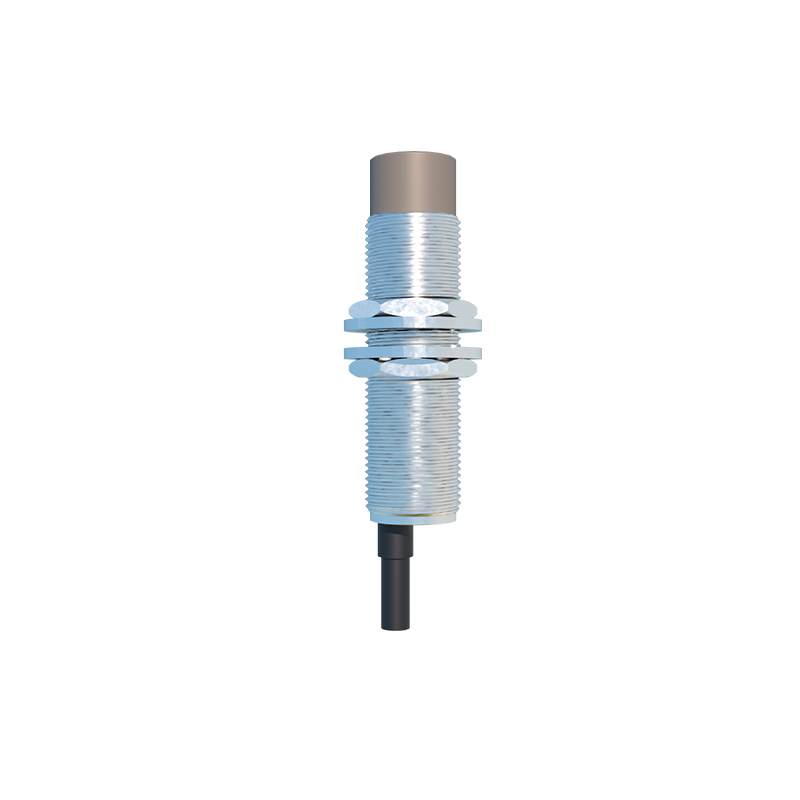
Common pitfalls include classifying the sensor under a generic code for "instruments" or "apparatus" instead of the more precise code for electrical switching apparatus. Another error is using an outdated code, as the HS system is updated every five years. The current edition is HS 2022. Always verify the code aligns with the latest version. Consistency in documentation is paramount; the same code must be used on commercial invoices, packing lists, and the bill of lading.
Correct HS code classification for proximity sensors is not merely an administrative task; it is a strategic business practice. It ensures predictable landed costs, minimizes supply chain disruptions, and maintains compliance with international trade regulations. By investing time in accurate classification, companies can enhance their operational efficiency and maintain a competitive edge in the global marketplace. Always prioritize verification with official sources and professional advice to navigate this critical aspect of international logistics successfully.