Introduction to Photoelectric Sensors
Photoelectric sensors are versatile devices that utilize light beams to detect the presence, absence, or distance of objects. They operate by emitting a light source—typically LED-based in visible red, infrared, or laser forms—and measuring the reflected or interrupted light. These sensors consist of an emitter and a receiver, which can be configured in through-beam, retro-reflective, or diffuse reflective modes. Their non-contact nature ensures minimal wear and tear, making them ideal for high-speed or harsh industrial environments. With advancements in technology, modern photoelectric sensors offer enhanced precision, longer ranges, and resistance to environmental factors like dust and moisture. Industries rely on them for tasks ranging from simple object detection to complex positioning, owing to their reliability and adaptability.
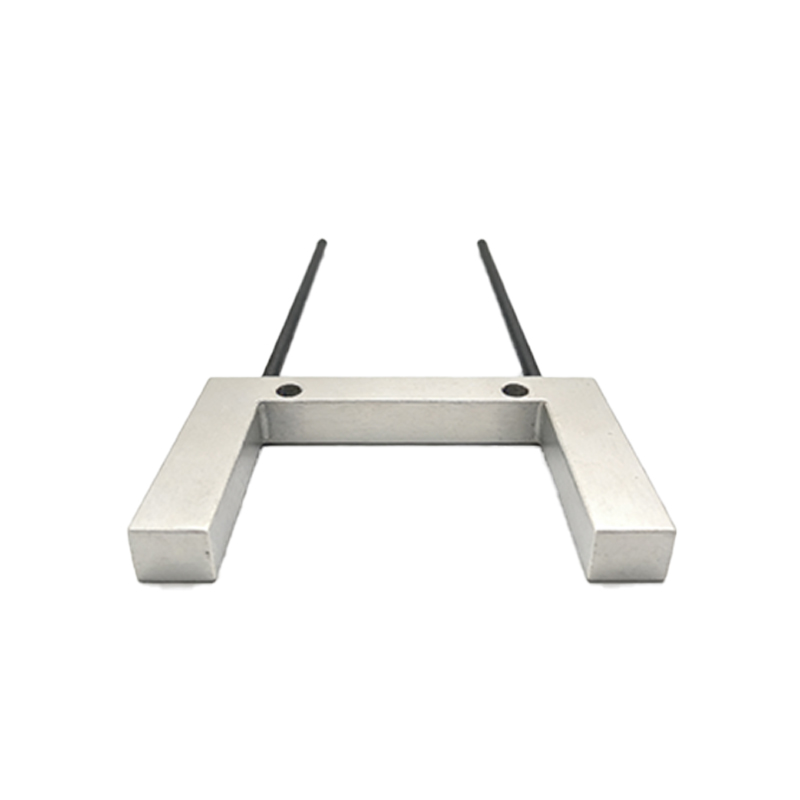
Object Detection and Counting
One of the most common applications of photoelectric sensors is in object detection and counting within manufacturing and logistics. In assembly lines, these sensors identify items on conveyor belts, triggering actions like sorting or packaging. For example, in bottling plants, sensors detect bottles to ensure proper filling and capping. They count products as they pass by, providing real-time data for inventory management. Using through-beam sensors, which have separate emitter and receiver units, allows for accurate detection even with transparent or shiny objects. This reduces errors and increases efficiency, supporting just-in-time production systems. In warehouses, photoelectric sensors monitor stock levels by counting packages on shelves, automating restocking processes.
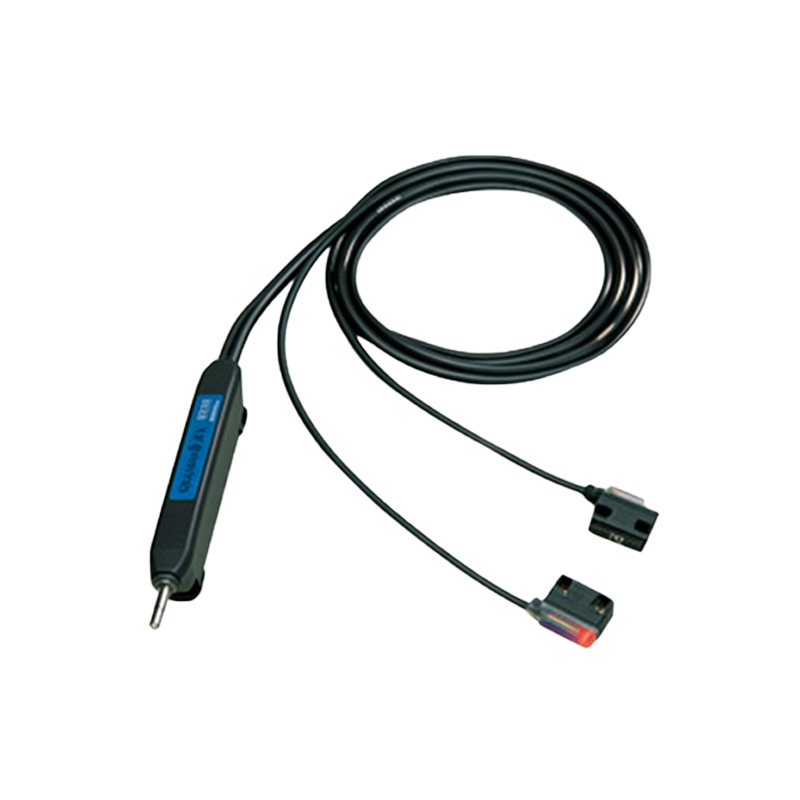
Positioning and Alignment Control
Photoelectric sensors play a crucial role in positioning and alignment control in robotics and automated machinery. They ensure components are correctly placed during manufacturing, such as in electronics assembly where sensors verify the orientation of circuit boards. Laser-based sensors offer high precision for measuring distances or detecting minute displacements, enabling fine adjustments in real-time. In printing industries, sensors align paper rolls to prevent misprints, while in automotive plants, they guide robotic arms for welding or painting tasks. By providing feedback to control systems, these sensors enhance accuracy and reduce waste, contributing to higher quality outputs and streamlined operations.
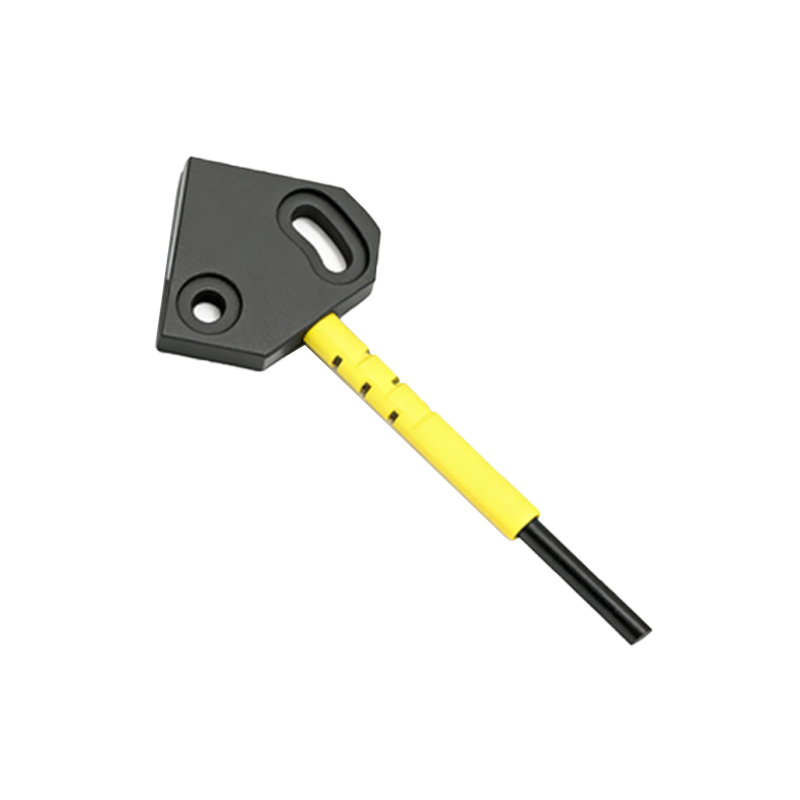
Level Monitoring and Measurement
Level monitoring in tanks, silos, and containers is another key application of photoelectric sensors. They detect material levels—whether solid, liquid, or granular—without direct contact, preventing contamination or damage. For instance, in food processing, sensors monitor fill levels in containers to avoid overflows or shortages. Diffuse reflective sensors are often used here, as they rely on light reflected from the material surface. In hazardous environments like chemical plants, explosion-proof variants ensure safe operation. Additionally, sensors can measure continuous levels, providing data for automated refilling systems, which optimizes resource use and minimizes downtime.
Safety and Access Control
Safety systems extensively employ photoelectric sensors to protect personnel and equipment. Light curtains, composed of multiple sensor beams, create invisible barriers around dangerous machinery; if interrupted, they trigger an immediate shutdown to prevent accidents. In automated guided vehicles (AGVs), sensors detect obstacles to avoid collisions. For access control, sensors are integrated into doors and gates, allowing hands-free operation in hospitals or cleanrooms. Infrared sensors can also monitor restricted areas, alerting security teams to unauthorized entry. This enhances workplace safety while maintaining operational flow, complying with industry regulations like OSHA standards.
Quality Inspection and Defect Detection
Quality control processes benefit from photoelectric sensors by identifying defects or inconsistencies in products. In textile manufacturing, sensors detect fabric tears or color variations, while in pharmaceuticals, they check for missing labels or caps on bottles. High-speed sensors capture minute details, such as scratches on metal surfaces or cracks in glass, ensuring only合格 items proceed. By integrating with vision systems, photoelectric sensors provide comprehensive inspection, reducing manual labor and human error. This leads to improved product reliability and customer satisfaction, as defects are caught early in the production cycle.
Packaging and Labeling Verification
In packaging industries, photoelectric sensors verify that labels are correctly applied and packages are properly sealed. They detect misaligned labels, missing barcodes, or unsealed flaps on boxes. For example, in food packaging, sensors ensure expiration dates are printed legibly and in the right位置. Retro-reflective sensors, which use a reflector to bounce light back, are effective for detecting transparent films or tapes. This automation speeds up lines and reduces rework, helping companies meet tight deadlines and maintain brand reputation. Sensors also monitor packaging material levels, alerting operators before shortages occur.
Environmental and Harsh Condition Adaptability
Modern photoelectric sensors are designed to withstand challenging environments, including extreme temperatures, humidity, and vibration. In outdoor applications, such as agriculture or mining, sensors detect equipment movements or material flows without failing. They feature rugged housings and IP ratings for dust and water resistance, ensuring longevity in dirty or wet conditions. For instance, in wastewater treatment plants, sensors monitor sludge levels without corrosion issues. Advanced models include self-diagnostics, alerting users to lens contamination or alignment problems, which minimizes maintenance needs and boosts uptime.
Future Trends and Innovations
The future of photoelectric sensors lies in smart integration with IoT and Industry 4.0 technologies. Sensors are becoming more compact, energy-efficient, and capable of wireless communication, enabling real-time data analytics for predictive maintenance. Innovations like multi-function sensors that combine detection with measurement are emerging, reducing installation costs. As industries automate further, demand for high-speed, long-range sensors will grow, particularly in e-commerce and renewable energy sectors. Research into new light sources, such as UV LEDs, may expand applications to specialized fields like medical diagnostics, driving continuous improvement in industrial automation.