Introduction to N10U-EM12WD Proximity Sensor
The N10U-EM12WD is a high-performance inductive proximity sensor designed for demanding industrial environments. As a non-contact detection device, it operates by generating an electromagnetic field to sense the presence of metallic objects without physical contact. This sensor is engineered with a robust housing, typically rated IP67 for dust and water resistance, ensuring reliable operation in harsh conditions such as manufacturing floors, assembly lines, and automated machinery. Its compact cylindrical form factor, often with an M12 threaded body, allows for easy installation and integration into various mechanical setups. The "EM12WD" designation typically refers to its electrical characteristics, including a specific sensing range, output type, and connection method, making it a versatile component in industrial automation systems.
Technical Specifications and Operating Principles
This sensor utilizes the principle of electromagnetic induction. Inside, an oscillator circuit generates a high-frequency magnetic field from its sensing face. When a metallic target enters this field, eddy currents are induced in the object, causing a change in the oscillator's amplitude. This change is detected by the sensor's circuitry, which then triggers a solid-state output switch. Key specifications of the N10U-EM12WD often include a nominal sensing distance, such as 4mm for steel, with factors like target material, size, and shape influencing actual performance. It commonly features a DC three-wire configuration (brown for +V, blue for 0V, black for output) with either a PNP (sourcing) or NPN (sinking) transistor output. Operating voltage ranges are typically between 10-30V DC, with a low current consumption. The sensor also boasts a high switching frequency, enabling it to detect rapidly moving objects, which is critical for high-speed automation tasks.
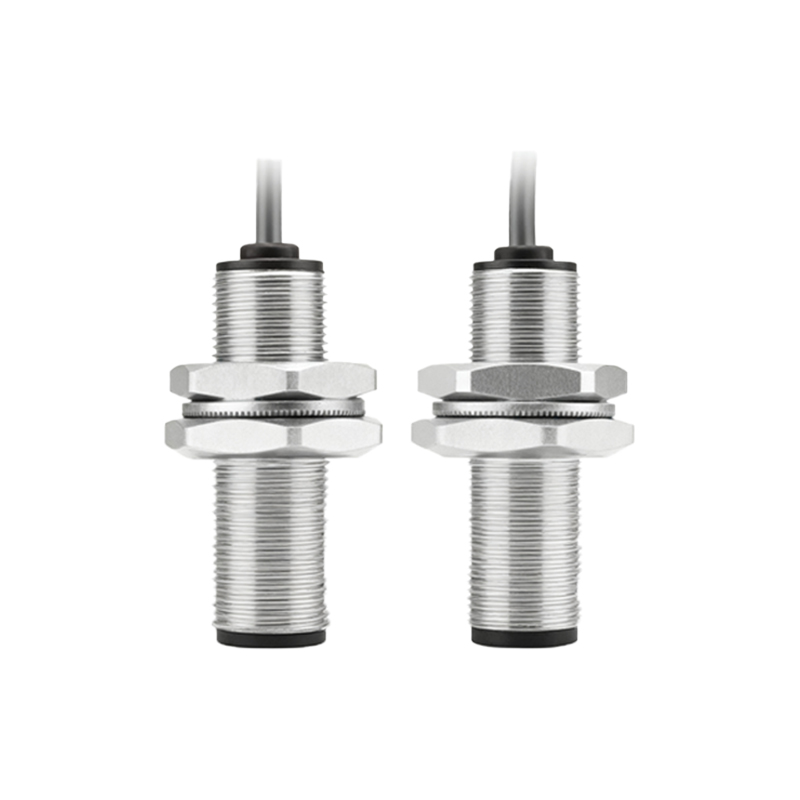
Key Features and Performance Advantages
The N10U-EM12WD offers several distinct advantages that contribute to its widespread adoption. Its non-contact nature eliminates mechanical wear, leading to exceptional longevity and reduced maintenance costs compared to mechanical limit switches. The sensor provides high repeat accuracy, meaning it consistently detects a target at the same precise point, which is vital for quality control and positioning applications. It is inherently resistant to common environmental challenges like oil, coolant splashes, and vibration. Many models incorporate built-in protection against short-circuits, reverse polarity, and electrical surges, enhancing system reliability. The LED status indicator is a valuable diagnostic tool, providing visual confirmation of power and output state, which simplifies troubleshooting and setup during installation and operation.
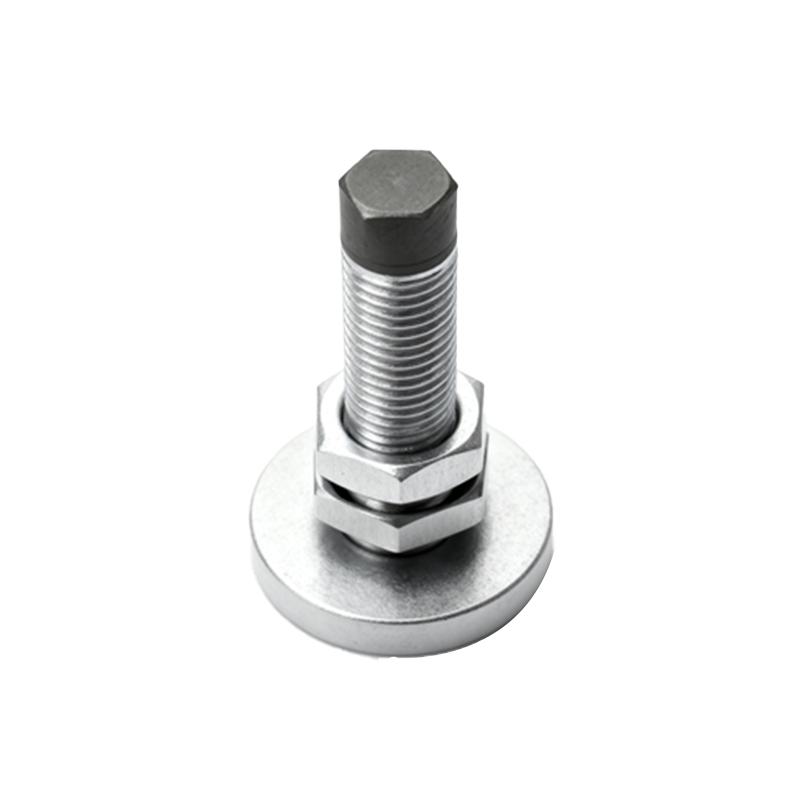
Typical Industrial Applications and Use Cases
This sensor finds utility across a broad spectrum of industrial automation scenarios. A primary application is object detection and counting on conveyor systems, where it verifies the presence of metal parts, bottles with caps, or pallets. In machine tools, it is used for tool position verification, end-of-travel limit sensing, and workpiece detection. Robotics systems employ these sensors for precise end-effector positioning and to confirm gripper actions. They are also integral to packaging machinery for detecting fill levels, cap placement, and label positioning. In material handling, the sensor can monitor the position of elevator platforms, automated guided vehicles (AGVs), and sorting gates. Its reliability makes it suitable for safety interlocks, ensuring guards are closed before machine operation commences.
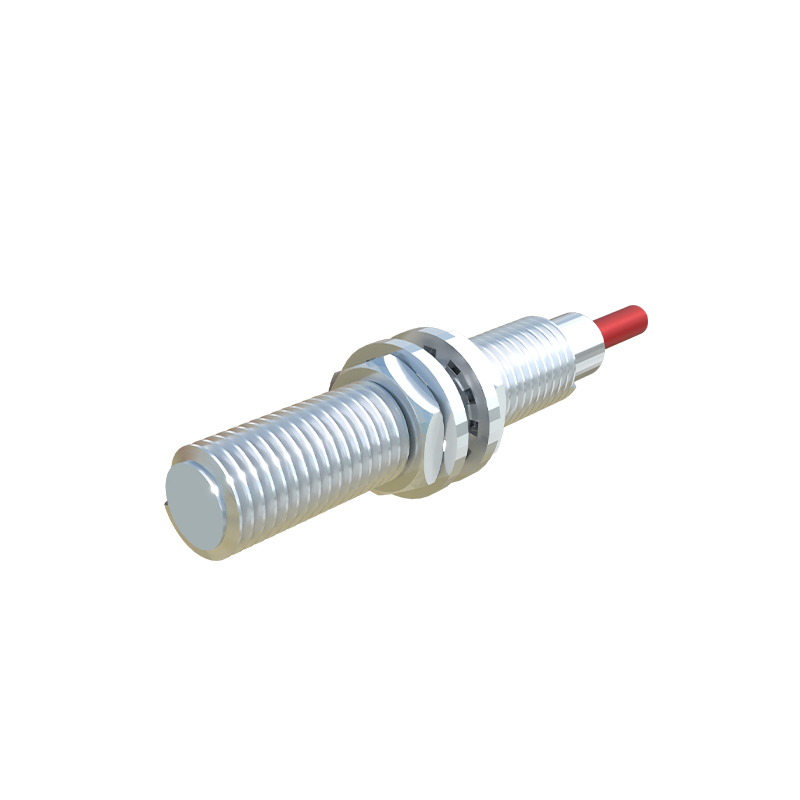
Installation Guidelines and Wiring Considerations
Proper installation is crucial for optimal sensor performance. The sensor should be mounted securely using its threaded body, ensuring it is not subjected to excessive torque that could damage the housing. It is essential to maintain the specified lateral and axial clearance from surrounding metal structures (the "flush-mountable" or "non-flush" characteristic dictates this) to prevent false triggering. For the N10U-EM12WD, wiring must adhere strictly to the manufacturer's datasheet. The load (e.g., a PLC input, relay, or indicator lamp) must be connected in series with the output wire. For PNP versions, the load connects between the output (black) and the negative supply (blue). It is critical to ensure the operating voltage and current limits of both the sensor and the load are not exceeded. Using shielded cables in electrically noisy environments and proper grounding practices are recommended to minimize electromagnetic interference.
Troubleshooting Common Issues and Maintenance
Despite their robustness, proximity sensors can encounter issues. A frequent problem is failure to detect a target. This can be caused by an incorrect target material (non-ferrous metals have a reduced sensing range), the target being outside the effective sensing distance, or a buildup of debris on the sensing face. Electrical issues include incorrect wiring, voltage supply problems